Most building access problems are not caused by bad technology. They come from systems that were never designed for how apartments actually operate today. Packages arrive at all hours. Vendors rotate constantly. Residents expect convenience without friction. Property managers are asked to keep buildings secure while reducing staff workload, not increasing it. That tension is exactly where buzzer and intercom systems now sit. What used to be a simple doorbell decision has quietly become an operational one, with real implications for security, staffing, and resident experience.
What Is an Apartment Buzzer or Intercom System?
An apartment buzzer or intercom system is a controlled communication and access tool installed at building entry points. It allows a visitor to request access and gives a resident or staff member the ability to respond and grant entry. While the idea sounds simple, modern systems go far beyond a button and a speaker. They now function as the first layer of building security and a daily interaction point for residents, vendors, and delivery services.
The market growth tells the story clearly. According to recent smart intercom market data showing USD 3.1 billion in global value and steady double digit growth, demand is not being driven by novelty. It is being driven by necessity. Apartment buildings are handling more traffic, more deliveries, and higher expectations, and entry systems are being forced to keep up.
For property managers, this system operates as both a gatekeeper and a workflow tool. It determines who gets in, when they get in, and how much manual involvement is required to make that happen. A well designed system works quietly in the background and prevents small access moments from becoming daily disruptions. A poorly designed one does the opposite, creating interruptions, complaints, and avoidable security gaps.
The terminology may vary, but the role remains consistent. Whether it is referred to as a buzzer, an intercom, or an access panel, the purpose is the same. It balances access with control in a shared residential environment where efficiency and security have to coexist.
Definition and Core Purpose
The fundamental purpose of a buzzer or intercom system is controlled entry. It creates a checkpoint between the public space outside the building and the private space inside. This checkpoint allows verification before access is granted, reducing unauthorized entry and improving accountability.
In apartment settings, the system also serves a communication role. It connects visitors to the right resident or staff member without requiring physical presence at the door. That single function removes a surprising amount of daily friction. Residents do not need to rush downstairs. Staff do not need to act as full time gatekeepers. The system becomes a quiet intermediary.
As buildings scale, this core purpose becomes more important, not less. The more residents and doors involved, the more valuable controlled automation becomes.
How It Differs from Traditional Doorbells
A traditional doorbell is reactive and limited. It alerts someone that a person is present, and nothing more. There is no verification, no record, and no control beyond answering the door. In a single family home, that simplicity works. In an apartment building, it quickly breaks down.
Buzzer and intercom systems introduce structure. They route calls to specific units or devices. They allow access to be granted remotely. They often log activity and integrate with other security tools. This turns entry from a manual action into a managed process.
For property managers, this difference matters because it shifts responsibility away from constant human intervention. Instead of relying on staff availability or resident responsiveness, the system itself handles the first layer of interaction.
Common Terminology in Access Control
Access control language can feel fragmented, especially when vendors use overlapping terms. Buzzer systems generally refer to audio only entry panels that allow voice communication and door release. Intercom systems expand that definition to include video and advanced routing. Smart or IP based systems rely on network connectivity and software platforms rather than dedicated wiring alone.
Understanding this terminology helps property managers ask better questions. It also prevents overbuying or underbuying solutions. A clear grasp of terms keeps the conversation focused on outcomes rather than features for their own sake.
How Apartment Buzzer and Intercom Systems Work
Despite the variety of products on the market, most systems follow the same basic flow. A visitor initiates contact at the entrance panel. The system routes that request to a resident or staff endpoint. Communication occurs. Access is either granted or denied. The difference lies in how efficiently and flexibly that flow operates.
Modern systems are designed to reduce points of failure. They rely less on physical presence and more on distributed access. That shift has quietly changed how buildings operate day to day.
Audio Only Systems
Audio only systems are the most straightforward option. A visitor presses a button associated with a unit. The call connects via speaker and microphone. The resident can speak with the visitor and release the door if desired.
These systems remain common in smaller buildings and older properties. They are cost effective and relatively simple to maintain. However, they rely heavily on residents being available and willing to answer calls. There is also no visual verification, which can be a limitation in high traffic environments.
For some properties, audio only systems still make sense. The key is understanding their operational limits before assuming they are sufficient.
Video Intercoms
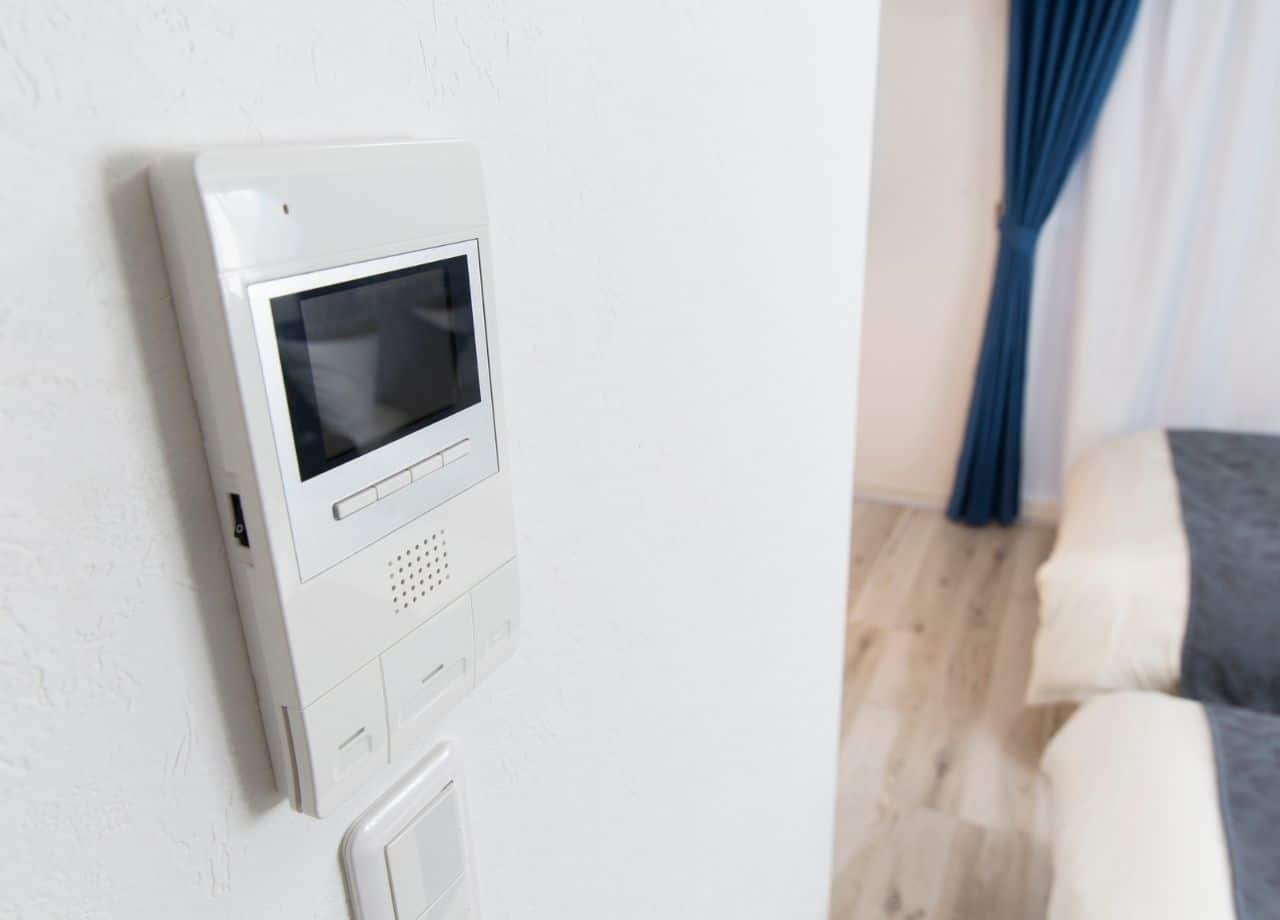
Video intercom systems add a visual layer to the interaction. A camera at the entrance allows residents or staff to see who is requesting access before responding. This small change significantly improves decision making and perceived security.
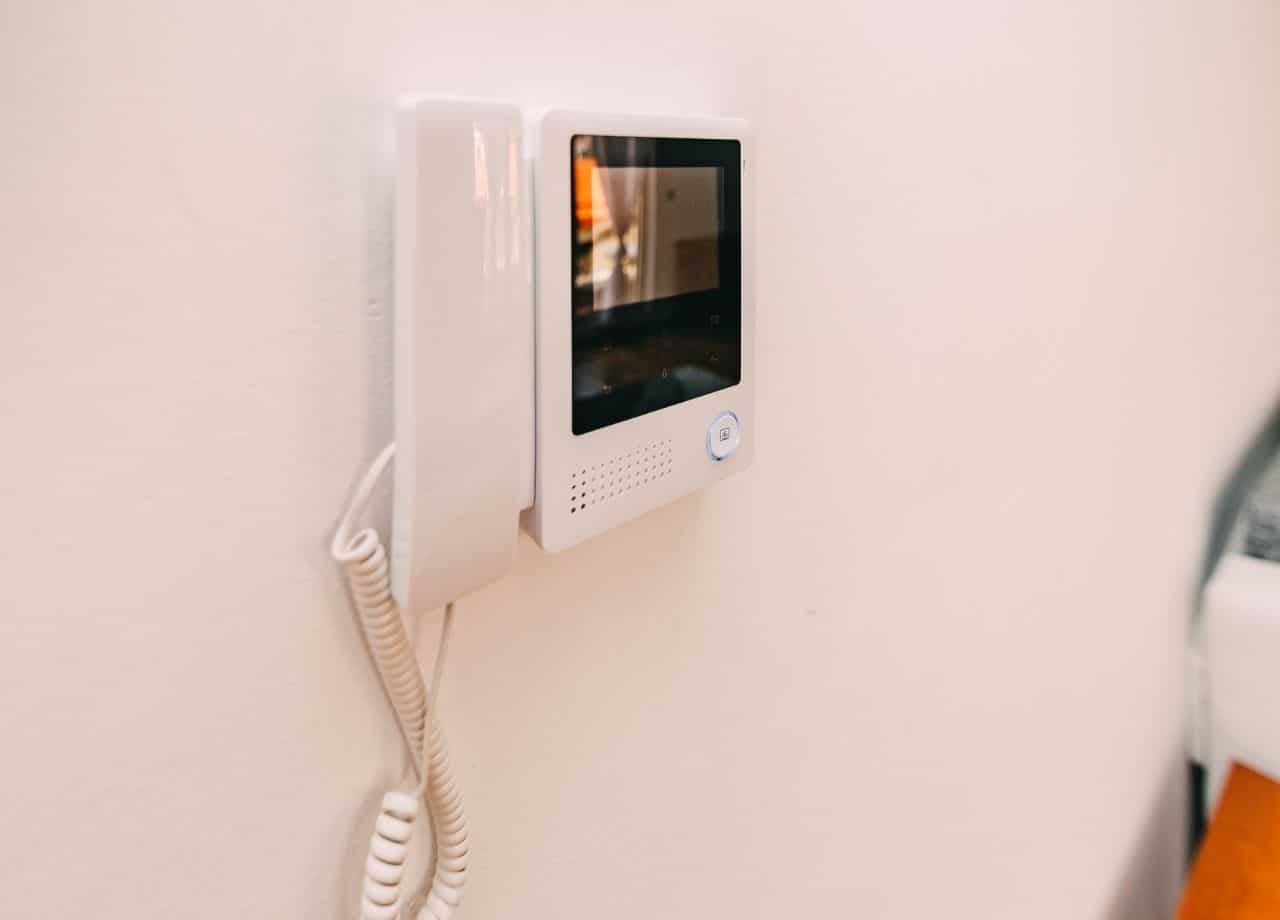
From a management perspective, video reduces disputes and uncertainty. Residents feel more confident granting access. Staff can verify vendors and deliveries more quickly. The system becomes less about interruption and more about informed control.
As camera technology has improved, video intercoms have moved from luxury to expectation in many apartment markets.
Smartphone and Cloud Integrated Systems
Cloud based intercom systems extend access beyond physical handsets. Calls can be routed to smartphones, tablets, or web dashboards. Door release can happen from anywhere with permission. This is where access control begins to align with modern property management workflows.
For property managers, cloud integration means fewer missed calls and less reliance on fixed locations. It also enables centralized control across multiple buildings. Updates, permissions, and troubleshooting can often be handled remotely.
The result is a system that adapts to how teams actually work, rather than forcing teams to adapt to hardware constraints.
Wired vs Wireless vs IP Systems
Traditional wired systems rely on dedicated cabling between panels and units. They are stable but inflexible. Wireless systems reduce installation complexity but can be limited by signal reliability. IP based systems use network infrastructure and software, offering the most flexibility and scalability.
Choosing between these options is less about technology preference and more about building conditions and long term plans. Older buildings may favor retrofit friendly solutions. Newer developments often benefit from IP systems designed to scale.
Understanding these differences early prevents costly retrofits later.
Key Components of Modern Apartment Buzzer Systems
Modern systems are modular by design. Each component plays a specific role, and together they form an access ecosystem rather than a single device. This modularity allows property managers to upgrade parts of the system without replacing everything at once.
Entrance Panel and Directory
The entrance panel is the public facing component. It includes call buttons, directories, cameras, and microphones. Its design affects both usability and curb appeal. Clear directories reduce confusion and speed up access requests.
For managers, a well designed panel reduces resident complaints and visitor errors. It also sets expectations for security before anyone enters the building.
Indoor Stations vs Mobile App Interfaces
Indoor stations were once the standard. They remain useful in certain settings, but mobile app interfaces have expanded flexibility. Residents can answer calls from anywhere. Staff can manage access without being on site.
This shift reduces hardware dependency and improves responsiveness. It also aligns with how residents already communicate.
Cameras, Microphones, and Speakers
These components determine the quality of interaction. Poor audio or video quickly undermines trust in the system. Modern components are designed to handle varied lighting and noise conditions.
From an operational standpoint, reliability matters more than resolution. Clear communication reduces hesitation and speeds up access decisions.
Electronic Door Locks and Release Mechanisms
The lock is where communication turns into action. Electronic locks integrate with the intercom to allow remote release. Their reliability directly affects security.
Property managers should view locks as part of the system, not an afterthought. Integration quality matters as much as hardware strength.
Cloud Dashboards and Management Platforms
Cloud dashboards bring everything together. They allow administrators to manage users, review activity, and adjust settings across properties. This is where access control becomes a management tool rather than a maintenance item.
As buildings grow more complex, these platforms become essential. They provide visibility and control that manual systems simply cannot match.
Main Types of Systems Explained
Not all apartment entry systems are built for the same job, even if they look similar from the sidewalk. The differences show up over time in how much effort they demand from staff, how well they scale, and how often they become a source of friction instead of a solution.
Understanding the main system types helps property managers align technology with real operational needs, not marketing promises. Market data showing the global video intercom segment valued at roughly USD 1.61 billion in 2024 reinforces that buildings are steadily moving beyond the most basic setups, but that does not mean every property needs the same level of sophistication.
The key is matching system type to building profile, staffing model, and long term plans.
Basic Buzzer System (Audio Only)
A basic audio buzzer system is the most straightforward form of controlled entry. A visitor presses a button, the call routes to a specific unit, and the resident can speak with the visitor and release the door. There is no video, no mobile access, and usually no activity history. The appeal is simplicity and lower upfront cost.
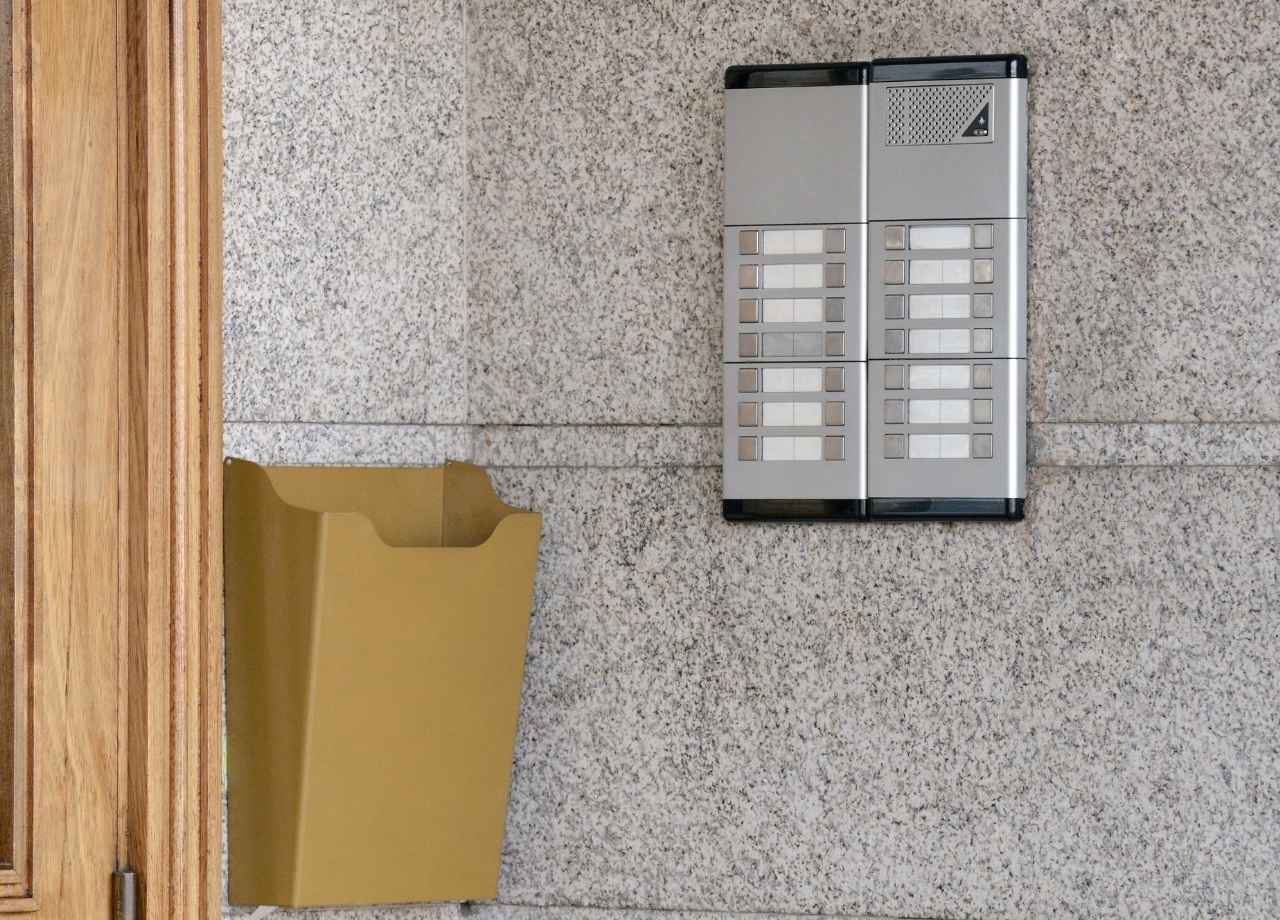
These systems still fit smaller buildings with stable populations and light delivery traffic. They are familiar, easy to explain, and require little training. The downside is that access responsibility falls almost entirely on residents. As expectations change, missed calls and unattended entry requests quickly become common frustrations.
Video Intercom Systems
Video intercom systems expand on audio by adding visual verification at the entrance. Residents or staff can see who is requesting access before responding, which changes how decisions are made. Confidence increases, and hesitation decreases.
In buildings with higher foot traffic, video reduces uncertainty and improves perceived security. Residents are more comfortable granting access, and access related disputes decline. While these systems require more infrastructure and investment than audio only options, they deliver a clear upgrade in both experience and control.
Smart IP Intercom Systems
Smart IP intercom systems move access control onto the network. Calls are routed through internet connectivity rather than fixed wiring, allowing residents and staff to respond from smartphones or centralized dashboards. Door release becomes permission based rather than location dependent.
This is where flexibility becomes visible for property managers. Access can be managed across multiple buildings without being on site, and changes can often be made remotely. These systems do require reliable network planning and ongoing software oversight. When done well, they reduce workload. When rushed, they introduce avoidable complexity.
Integrated Access Control Platforms
Integrated platforms combine intercom functions with broader access control tools such as mobile credentials, delivery access, and security cameras. The buzzer becomes part of a larger operational system rather than a standalone device.
These platforms are designed for properties operating at scale or planning for growth. Access decisions are centralized, temporary permissions are easier to manage, and activity can be reviewed across doors and buildings. Compared to basic audio or video systems, integrated platforms align entry control with day to day property operations, supporting consistency and long term efficiency instead of piecemeal upgrades.
Critical Features Property Managers Must Consider
Most intercom systems look impressive during a demo. The real test happens six months later, when staff is stretched thin, deliveries spike, and residents expect instant access without confusion. Features matter, but only when they solve real operational problems. For property managers, the goal is not to own advanced technology. It is to reduce friction, maintain control, and avoid being pulled into daily access issues.
The most effective systems are the ones that quietly remove work instead of adding new tasks.
Mobile Access and Remote Door Release
Remote access has shifted from a convenience to an operational necessity. When door release is tied to a physical desk or panel, access becomes a staffing problem. Mobile access removes that dependency. Staff can grant entry from anywhere, and residents are no longer forced to be physically present to receive guests or packages.
For multi building portfolios, this feature becomes even more valuable. A single team can oversee access across sites without constant travel. The reduction in missed deliveries and access related complaints is immediate. What seems like a small feature often has an outsized impact on daily workload.
Two Way Audio and Video Communication
Clear communication is the foundation of controlled access. Two way audio ensures instructions can be given and verified. Video adds context that audio alone cannot provide. Together, they reduce hesitation and mistakes.
From a management standpoint, these features also reduce disputes. When residents can see who is at the door, they feel more confident making decisions. When staff can visually verify vendors, access becomes faster and more consistent. Over time, this clarity translates into fewer escalations and fewer security questions.
Cloud Management and Multi Site Control
Cloud based management changes how access systems fit into property operations. Instead of managing each building in isolation, administrators gain a centralized view. Permissions, directories, and access rules can be adjusted without site visits.
This matters most for growing portfolios. As buildings are added, the system scales without multiplying administrative effort. Cloud management also supports faster troubleshooting and system updates. According to broader property technology adoption trends showing continued investment in digital management tools, this shift reflects how property teams already operate in other areas.
Visitor Passes and Temporary Access Codes
Not all visitors should be treated the same. Temporary access tools allow managers to create time bound permissions for vendors, cleaners, or short term guests. This reduces the need for constant manual intervention while maintaining control.
For residents, this feature improves convenience. For managers, it improves accountability. Access expires automatically, eliminating the risk of forgotten permissions. The result is a cleaner access environment with fewer lingering security gaps.
Audit Logs and Reporting
Access logs are often overlooked until something goes wrong. When they are needed, they become invaluable. Audit logs provide a record of who accessed doors and when, offering clarity during investigations or disputes.
From an operational perspective, logs also reveal patterns. Peak access times, frequent vendors, and recurring issues become visible. This data supports better staffing decisions and system adjustments. Transparency replaces guesswork.
Integration With Security Cameras and Property Management Systems
An intercom system should not operate in isolation. Integration with security cameras provides a broader view of entry events. Integration with property management systems aligns access with resident records and status changes.
For property managers, integration reduces duplication of work. Changes made in one system reflect across others. This consistency reduces errors and saves time. It also supports a more professional and predictable resident experience.
Benefits of Modern Buzzers and Intercoms for Property Managers
Technology earns its place when it removes friction. Modern intercom systems do exactly that when chosen and deployed correctly. Their value shows up not in feature lists, but in calmer days and fewer interruptions.
Enhanced Security and Resident Safety
Controlled entry is the first line of defense. Modern systems reduce unauthorized access by requiring verification before doors open. Video and logging add accountability. Residents feel safer, and perceptions matter as much as statistics.
Safety improvements also protect the property itself. Reduced incidents mean fewer repairs and fewer insurance concerns. Over time, this stability supports both reputation and retention.
Reduced Front Desk Workload
Every manual access interaction takes time. Multiply that by dozens of deliveries and visitors each day, and the cost becomes clear. Modern systems automate routine access decisions and route calls efficiently.
Staff can focus on higher value tasks instead of acting as human doorbells. This shift reduces burnout and improves service quality where it actually matters.
Better Delivery and Vendor Access Management
Deliveries are no longer occasional events. They are constant. Intercom systems designed with delivery workflows in mind prevent bottlenecks and missed packages.
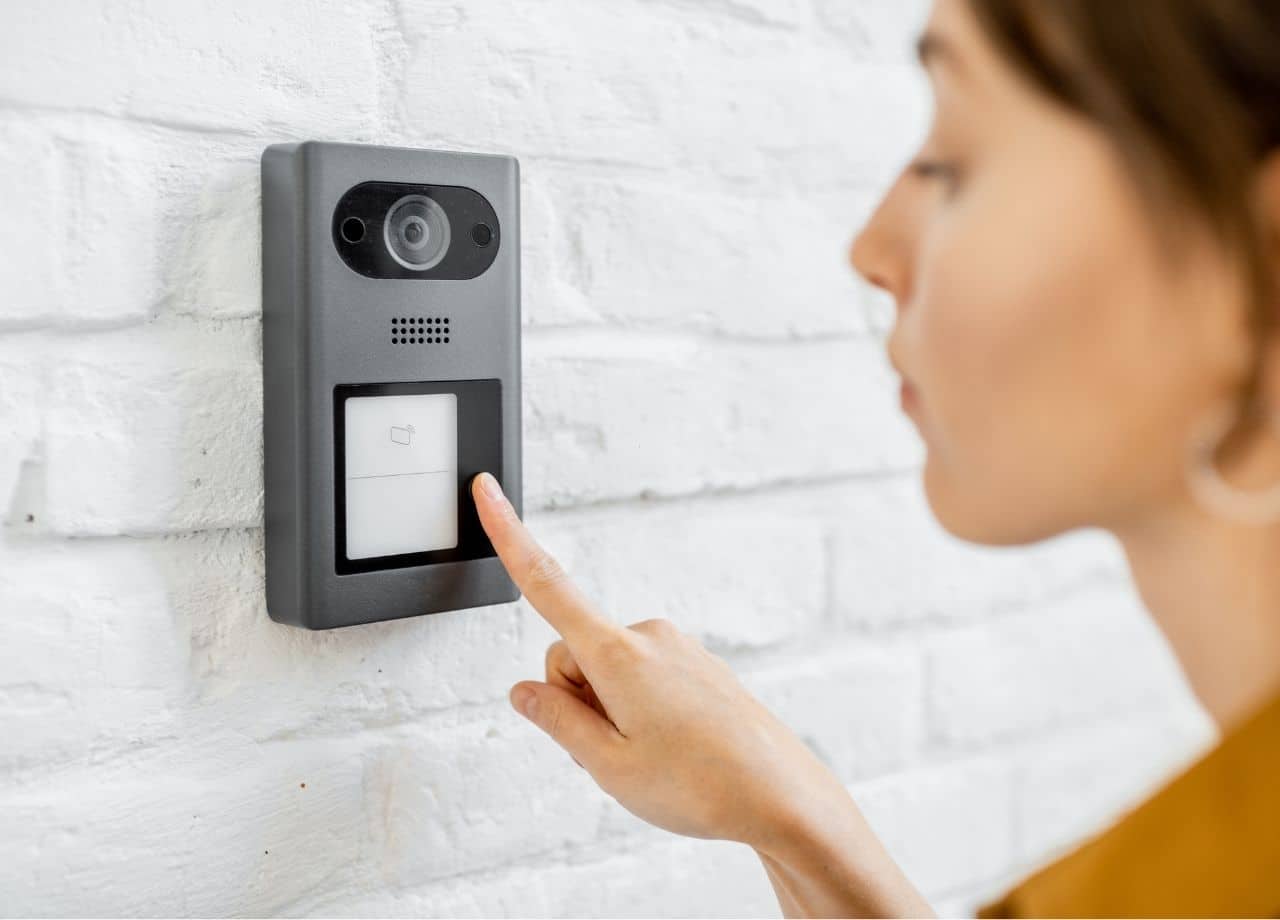
Temporary access tools and clear communication channels allow vendors to complete tasks without repeated coordination. This efficiency reduces complaints from both residents and service providers.
Lease and Amenity Selling Point
Access systems have become visible amenities. Prospective residents notice them during tours. A modern, intuitive entry experience signals professionalism and care.
While no one leases an apartment solely because of an intercom, outdated systems can quietly undermine confidence. Modern systems support leasing narratives around safety and convenience without overt selling.
Remote Troubleshooting and Updates
When systems can be managed remotely, downtime decreases. Issues can often be diagnosed and resolved without site visits. Updates improve performance without disruption.
This capability becomes increasingly important as portfolios grow. Fewer emergency calls and faster resolution times translate directly into operational savings.
Costs and Budgeting for Apartment Buzzer Systems
Cost discussions often focus on installation alone. That narrow view leads to surprises later. Effective budgeting considers both upfront and ongoing expenses, as well as the value created over time.
Market analysis pointing to the North America apartment intercom system market growing from roughly USD 1.5 billion in 2024 to USD 3.2 billion by 2033 reflects sustained investment. That investment is driven by long term value, not short term savings.
Installation Costs Across System Types
Audio only systems typically have the lowest installation costs. Video systems require additional hardware and wiring. Smart IP systems may reduce wiring but require network infrastructure.
Costs vary widely based on building age, layout, and door count. Retrofitting older buildings often presents the biggest challenges. Accurate site assessments prevent budget overruns.
Recurring Costs and Subscriptions
Modern systems often include software subscriptions. These cover cloud hosting, updates, and support. While recurring costs can raise concerns, they also fund ongoing improvements and reliability.
Maintenance costs should also be considered. Systems that are easier to update and troubleshoot remotely often cost less over time despite higher initial fees.
Cost Factors Specific to Property Managers
Portfolio size, staff structure, and delivery volume all influence cost effectiveness. A system that seems expensive for a single building may be cost efficient across multiple sites.
Understanding internal workflows helps align spending with value. The cheapest option is rarely the least expensive in the long run.
ROI and Long Term Value Metrics
Return on investment shows up in reduced labor, fewer incidents, and improved resident satisfaction. These benefits are cumulative. Over years, they outweigh initial cost differences.
For property managers, ROI should be measured in hours saved and problems avoided, not just dollars spent. Modern intercom systems pay for themselves by making buildings easier to run.
Deployment Considerations for Property Managers
Even the best intercom system can underperform if deployment is treated as an afterthought. Entry systems touch multiple parts of a building at once, from physical infrastructure to daily routines. For property managers, deployment is less about installation day and more about long term operability. Decisions made early tend to surface later, either as smooth operations or recurring friction.
The broader property management technology market is projected to reach roughly USD 41.52 billion in 2025, reflecting how deeply digital tools are now embedded in operations. Entry systems are part of that shift, not separate from it.
Building Size and Infrastructure
Building size shapes almost every deployment decision. A small walk up with one entrance has very different needs than a mid rise with multiple access points. Door count, unit count, and shared amenities all influence system complexity.
Infrastructure matters just as much as size. Older buildings may lack modern wiring or network capacity. Newer buildings often offer more flexibility but still require planning. Matching system design to existing conditions avoids unnecessary retrofits and delays.
Wiring and Retrofit Challenges
Retrofit projects carry hidden risk. Walls, conduits, and legacy systems can complicate installation. Wireless or IP based solutions can reduce disruption, but only if network reliability is addressed upfront.
For managers, the key is realistic assessments. Assuming ideal conditions leads to cost overruns. Thorough pre planning sets expectations with ownership and avoids mid project surprises.
Multi Building and Multi Door Support
Managing access across multiple buildings introduces scale challenges. Systems that work well for a single entrance may struggle when expanded. Centralized management becomes essential as portfolios grow.
Multi door support also affects daily operations. Consistent rules and permissions reduce confusion for staff and residents. Fragmented systems create unnecessary complexity.
Compliance and Local Building Codes
Entry systems intersect with safety and accessibility requirements. Fire codes, accessibility standards, and local regulations influence design choices. Ignoring these considerations can delay approvals or force costly changes.
Property managers benefit from involving compliance checks early. Doing so keeps projects moving and avoids retroactive fixes.
Resident Onboarding and Support
A new system is only effective if residents understand how to use it. Clear onboarding materials and simple instructions reduce frustration. Support processes should be defined before issues arise.
Smooth onboarding also shapes perception. When residents feel confident using the system, complaints decrease and adoption accelerates.
Installation and Maintenance Best Practices
Installation sets the foundation for years of use. Maintenance determines whether that foundation holds. Best practices focus on preparation, clarity, and consistency rather than speed alone.
Pre Installation Audit
A thorough audit identifies constraints and opportunities. Door locations, power availability, network capacity, and traffic patterns all matter. Skipping this step increases risk.
Audits also align expectations. Stakeholders gain a realistic view of timeline and cost. Transparency early prevents tension later.
Planning Wiring and Network
Wiring and network planning should be intentional, not reactive. Even wireless systems depend on stable connectivity. Redundancy and security should be considered.
For property managers, network planning is an operational decision. It affects uptime, support needs, and scalability.
Installation Checklist for Property Managers
Clear checklists keep installations on track. Access permissions, testing procedures, and documentation should be verified before sign off. Small oversights can create ongoing issues.
A structured approach also simplifies coordination with vendors and internal teams. Everyone knows what done actually means.
Troubleshooting Common Issues
Most issues fall into predictable categories. Connectivity problems, misconfigured permissions, and hardware wear account for the majority. Knowing this helps teams respond quickly.
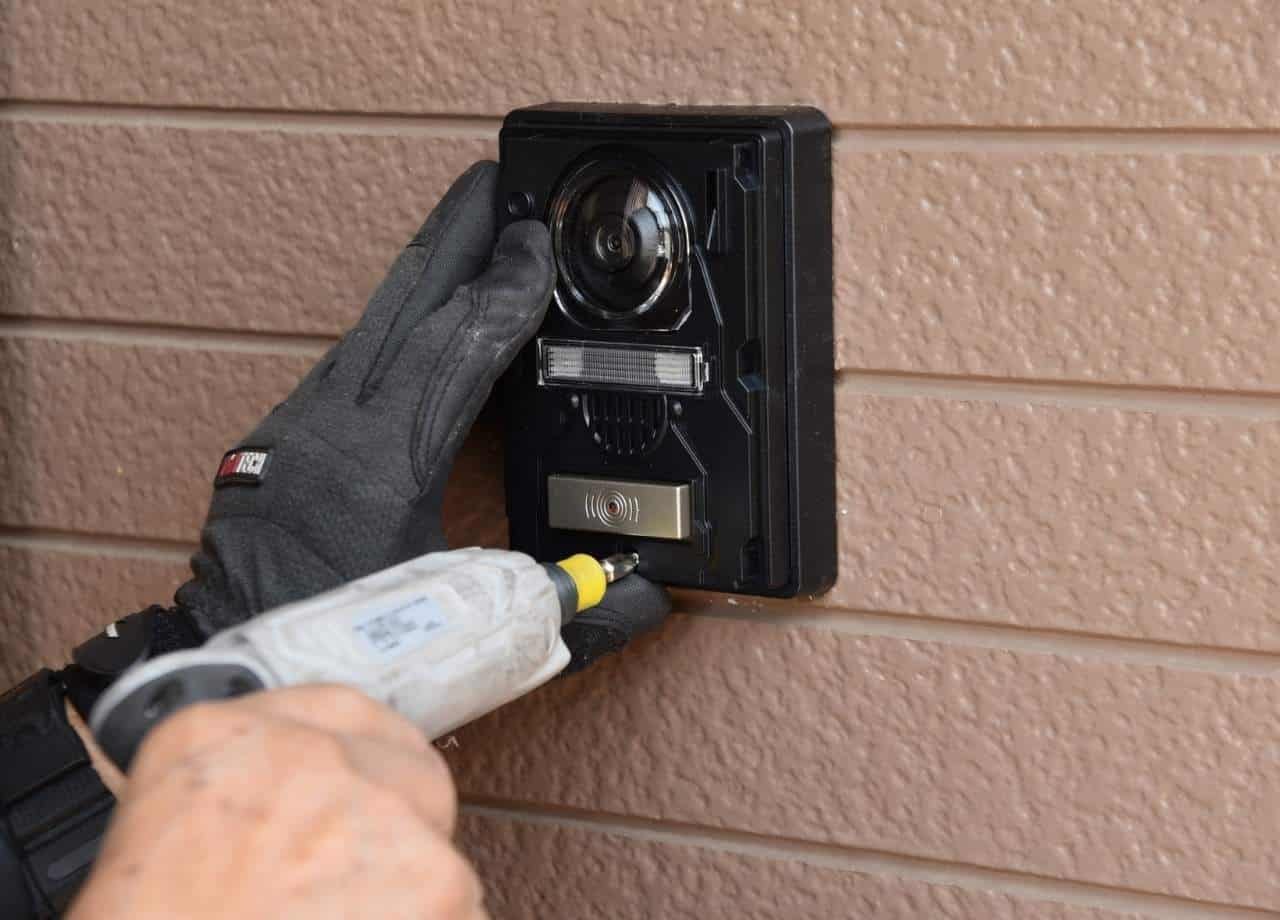
Documented procedures reduce reliance on specific individuals. Problems get solved faster when knowledge is shared.
Routine Maintenance Plans
Maintenance is not just about fixing failures. Regular reviews, updates, and testing extend system life. Cloud based systems simplify this process through remote management.
Planned maintenance reduces emergency calls and unexpected downtime. Consistency pays off over time.
Comparison: Buzzer vs Intercom vs Smart Access Control
Choosing the right system requires context. Not every building benefits from maximum sophistication. The goal is fit, not excess.
When a Basic Buzzer Is Enough
Basic buzzers can work in small, low traffic buildings. Stable resident populations and minimal vendor access favor simplicity. Costs stay low and expectations remain manageable.
Problems arise when access volume grows. At that point, limitations become operational burdens.
When an Intercom System Is Required
Video and enhanced communication become important as traffic increases. Buildings with regular deliveries and service providers benefit from visual verification.
Intercom systems strike a balance between control and cost. They meet rising expectations without full platform complexity.
When a Smart or Cloud Based System Makes Sense
Smart systems excel in scale and flexibility. Multi building portfolios, remote teams, and high access volume favor cloud based control.
The investment supports long term efficiency. Over time, reduced manual work offsets higher upfront costs.
Feature and Total Cost Comparison
Basic systems prioritize low initial spend. Intercoms add moderate cost with clear benefits. Smart platforms require higher investment but deliver operational leverage.
Total cost includes labor, maintenance, and resident satisfaction. Narrow comparisons miss the full picture.
Future Trends in Building Entry and Access Control
Entry systems continue to evolve. Trends reflect broader shifts in security, convenience, and data use.
AI and Facial Recognition
AI powered identification promises faster access and reduced friction. Adoption remains cautious due to privacy considerations. Use cases continue to expand.
Property managers will need to balance innovation with resident trust.
Contactless and Mobile First Access
Mobile credentials and touch free entry are becoming standard expectations. Health concerns accelerated adoption. Convenience sustains it.
Systems that support mobile first access align with resident behavior.
Predictive Security Analytics
Analytics can identify unusual patterns before incidents occur. Predictive tools support proactive management. Data driven insights replace reactive responses.
This trend favors platforms with strong reporting capabilities.
Integration With Smart Building Platforms
Access control increasingly connects with lighting, HVAC, and security systems. Integrated platforms support holistic building management.
For property managers, integration reduces silos and simplifies oversight.
FAQs for Property Managers
What Questions to Ask Vendors
Questions should focus on support, scalability, and real world performance. Feature lists matter less than operational fit. References provide valuable insight.
Clear expectations prevent disappointment.
Security and Privacy Concerns
Data handling and access controls must be transparent. Residents care about privacy. Managers are responsible for stewardship.
Strong policies build trust.
Scalability Questions
Systems should grow with the property. Adding doors or buildings should not require replacement. Scalability protects investment.
Planning ahead avoids churn.
Warranty and Support Terms
Support quality often determines satisfaction. Response times and coverage details matter. Clear terms reduce risk.
Reliable support keeps systems working quietly in the background, which is exactly where good access control belongs.