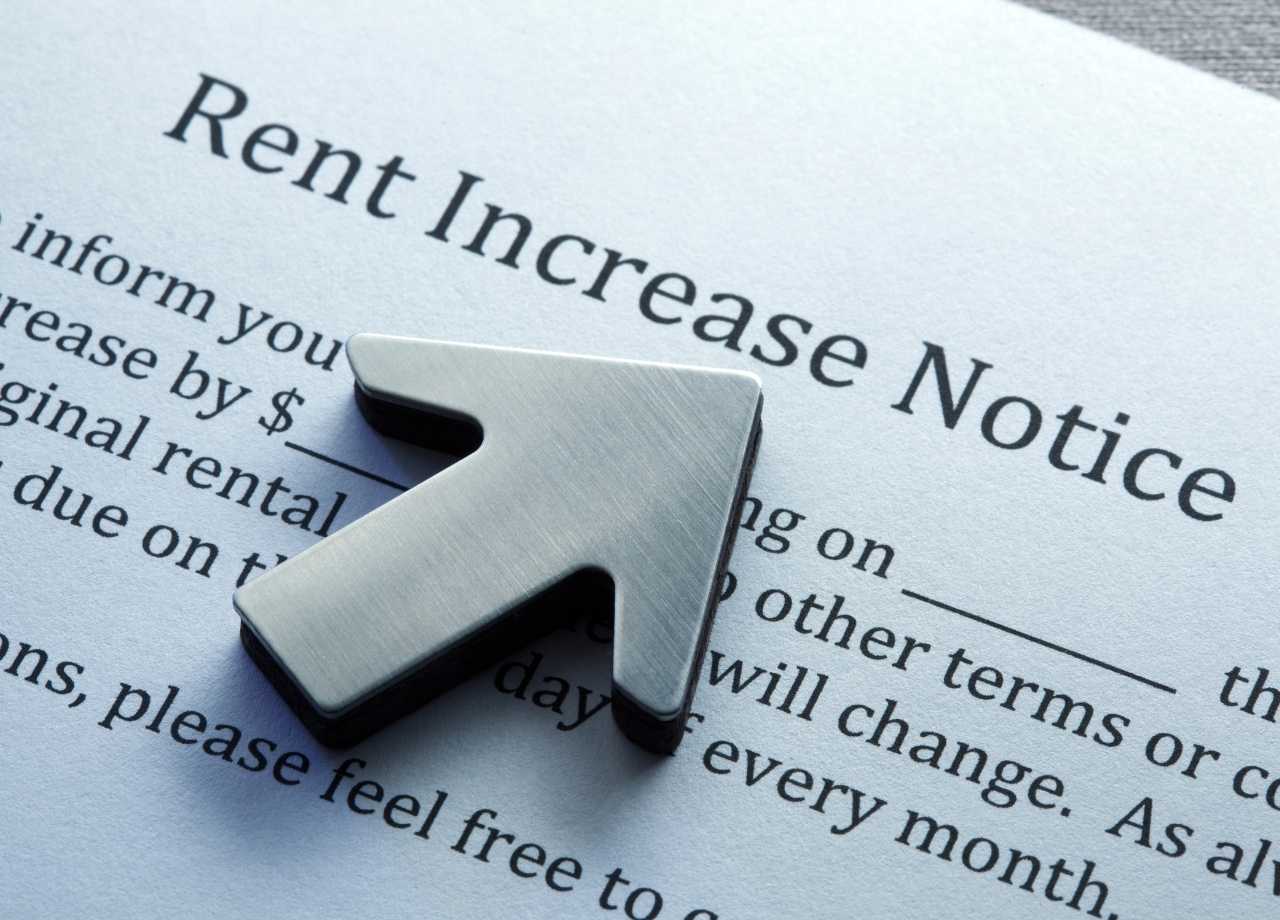
Raising the rent is never just about dollars and cents. It’s about balancing business goals with people, policy, and perception. Get it wrong, and you risk losing a good resident or facing a compliance issue. Get it right, and it becomes a seamless, professional process that keeps your property profitable and your residents informed, even appreciative.
This guide walks you through how to do it right, with structure and clarity. You’ll learn the key differences between a rent increase letter and a notice, understand when and why increases typically happen, and get practical guidance on what to include in every communication. We’ll also show you how to deliver it legally and effectively, with downloadable templates you can adapt to your own needs.
Whether you manage multifamily housing, single-family rentals, or a growing portfolio, this guide is designed to keep your rent increase process consistent, compliant, and above all, respectful.
Why a rent increase letter matters for landlords & property managers?
It might seem like just another routine task, but the rent increase letter carries a lot of weight. It sets the tone for a change that directly affects your resident’s day-to-day life and household budget. That means it deserves more than a quick message or a line in the lease.
A well-structured rent increase letter shows professionalism. It demonstrates that you respect the agreement you have with your residents and that you’re committed to clear, fair communication. Just as importantly, it creates a written trail, something property managers and landlords increasingly need for protection, clarity, and operational transparency.
In today’s market, rent changes are more visible than ever. According to this five-year analysis of rental pricing, the U.S. median rent rose by 31% between 2019 and 2024. That’s a steep shift, and one that’s left many residents more cautious, more cost-conscious, and more likely to question the “why” behind a rent adjustment.
In other words, they’re paying attention, and so should you. Sending a generic notice or failing to offer an explanation isn’t just unhelpful. It can damage trust, trigger disputes, and make renewals harder down the line. A thoughtful letter, on the other hand, becomes a powerful tool. It shows that you’ve considered the impact of the increase and are prepared to stand behind it with clear reasons and a respectful tone.
Understanding Rent Increase Letters & Notices
What Is a Rent Increase Letter?
At its core, a rent increase letter is a written communication sent to inform the resident that their monthly rent is going up. It typically includes the current rent amount, the new rate, the effective date of the change, and any required notice period based on the lease or local law.
But this letter does more than deliver the numbers. It frames the increase. It’s where you provide context, perhaps rising maintenance costs, tax increases, or a shift in market value. It’s also a chance to remind residents of the benefits of staying, such as ongoing upgrades, quick service, or the value they already know and enjoy in your property.
Some landlords treat this as a courtesy document, sent alongside or slightly ahead of the formal notice. Others integrate both into one communication, especially if their jurisdiction allows it. Either way, this letter becomes part of your customer service approach. It makes the rent increase feel like part of an ongoing relationship, not a sudden surprise.
What Is a Rent Increase Notice?
While the letter helps with tone, the notice is all about legal standing. A rent increase notice is the formal notification that satisfies the legal requirement for informing a resident of a rate change. Depending on your state or municipality, there may be very specific rules around how and when this needs to be delivered.
For instance, in many places, notices must be sent at least 30 or even 60 days before the increase takes effect. Others may require that notice be delivered by certified mail, or that it include specific legal phrasing.
This is where many landlords make costly mistakes. They assume a friendly message or verbal heads-up is enough. It’s not. If challenged, only a properly delivered and formatted rent increase notice will hold up, whether in a court of law or a formal dispute process.
That said, the notice doesn’t have to be cold or legalistic. Many professional landlords combine the letter and notice into one document that checks all the legal boxes while still communicating with clarity and care.
Legal Importance & Compliance
There’s no getting around it — rent increase letters and notices are part of a legal framework that varies by region but always requires written proof. In almost every U.S. jurisdiction, the increase won’t be enforceable unless you follow the correct notice period and method.
For property managers, this isn’t just about compliance. It’s about risk management. A missed deadline or poorly worded letter could result in the increase being invalid, a delay in enforcement, or worse, a potential legal challenge.
This matters even more when you look at how rent influences broader economic metrics. According to this report by the Federal Reserve Bank of Boston, shelter costs, including rent, account for roughly 36.1% of the Consumer Price Index. That means rent isn’t just a private matter between you and your residents. It plays a direct role in inflation policy, financial markets, and public sentiment.
That level of scrutiny increases the need for landlords and property managers to act with consistency, fairness, and full awareness of the legal context. A well-documented, timely rent increase letter is the best way to meet that standard.
When and Why You Might Increase Rent
Raising rent isn’t just a financial decision. It’s a balancing act between profitability, resident satisfaction, and long-term asset value. The goal isn’t to charge as much as possible. The goal is to charge what’s fair, legal, and sustainable — for both the property and the people living in it.
In 2024, around 85% of landlords raised rents, and nearly 78% plan to do the same in 2025. According to this Baselane rental market report, the average planned increase is about 6.2%. That’s not a small number, especially when you consider that wage growth and cost of living don’t always rise in lockstep.
But most of these adjustments aren’t driven by greed or opportunism. They’re a response to real, measurable changes in operating costs, local markets, and property upkeep demands. That’s why understanding the why behind rent increases is just as important as the how.
Common Reasons for Rent Increases
Every rent hike should have a reason that’s easy to explain. Market conditions change. Property taxes rise. Maintenance costs go up. Insurance premiums increase. Even inflation itself pushes baseline expenses higher year after year.
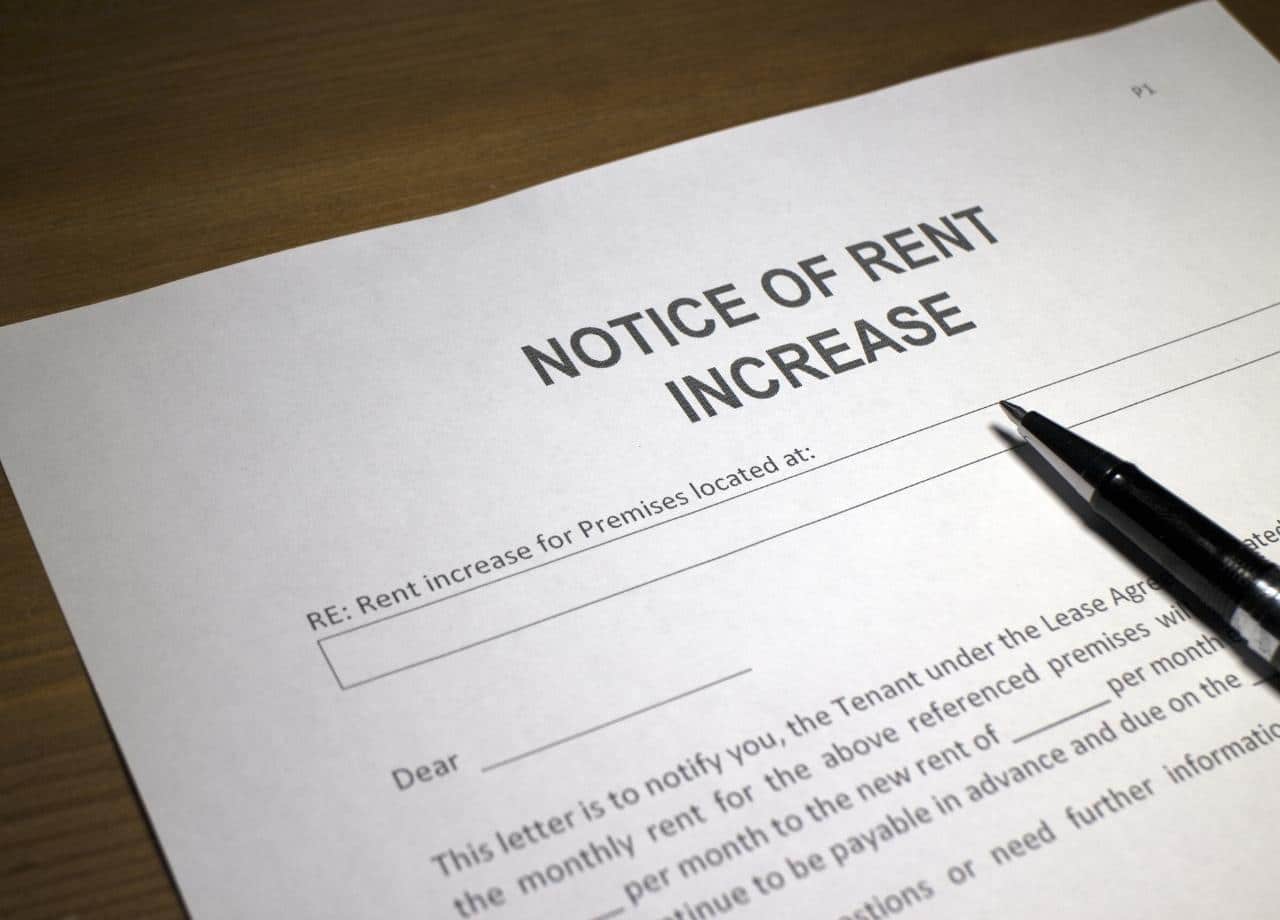
Many landlords also invest back into the property — updating appliances, improving amenities, or upgrading safety systems. These aren’t luxuries. They’re value-adding improvements that make a home more livable and help retain residents. A modest rent adjustment that reflects those improvements can be justified and expected.
Sometimes, it’s simply about aligning with local rental rates. If your units are priced significantly below the neighborhood average, you risk undervaluing your asset. You also attract applicants who may not be the best long-term fit. Gradual increases help you stay competitive while avoiding the shock of a sudden spike later.
The key is to avoid arbitrary numbers. If the increase isn’t backed by real data or clear reasoning, it’s more likely to face pushback — and less likely to hold up if challenged.
Legal & Lease Considerations
Before any increase is made, the first thing to check is the lease. The type of lease determines your flexibility. With a fixed-term lease, rent typically cannot be changed until the lease term ends, unless a specific clause allows for mid-term increases — which is rare. Most rent increases tied to fixed leases happen during renewal.
With a month-to-month lease, the rules are different. These arrangements allow for more flexibility, but also require strict adherence to state and local notice periods. Some jurisdictions may require 30, 60, or even 90 days’ notice before a rent change takes effect.
And then there’s rent control and rent stabilization. In certain cities and states, laws limit how much rent can be increased annually, often tying it to inflation rates or a specific percentage cap. Violating these limits, even unintentionally, can lead to fines or legal disputes.
Staying ahead of these rules is a professional obligation. Even if you outsource legal tasks, the responsibility ultimately falls on the property owner or manager. Failing to follow local laws can void the increase altogether, or worse, open the door to legal action.
How Often You Can Increase Rent
Legally, rent increases can usually happen once per lease term or once every 12 months for ongoing month-to-month arrangements. But legality doesn’t always equal best practice.
Industry standards suggest that modest, predictable increases are far more effective than large, infrequent jumps. A 3% increase each year is often easier for residents to absorb than a sudden 10% hike after several years of no change. It also helps with forecasting, both for you and your residents.
That said, if you’ve been undercharging for some time or if your costs have significantly changed, larger adjustments may be necessary. Just be prepared to explain the reasoning clearly — and to give ample notice.
Even if your local laws allow for more frequent or higher increases, the smart approach is to keep things fair, consistent, and well-documented. That creates a sense of predictability, which residents value more than most landlords realize.
Before You Write the Letter
Here’s where many landlords make preventable mistakes. The rent increase letter isn’t the first step. It’s the final step, after you’ve done your due diligence, checked the legal landscape, reviewed the lease, and crunched the numbers.
Getting these elements right on the front end avoids drama, legal challenges, and awkward backpedals later.
Review Local & State Laws
Not all rent increase rules are created equal. Some states have very clear guidelines about how much notice you must give. Others leave it to cities and counties. That means the difference between 30 days and 90 days’ notice could depend on a few blocks.
For example, California law generally requires 30 days’ notice for increases of 10% or less, and 90 days for anything higher. New York, Oregon, and Washington all have their own variations. This patchwork makes it critical to verify rules for each property’s location before making a move.
Even experienced landlords can get tripped up by changes in local legislation. That’s why it pays to use a legal review checklist, or consult with a local attorney if anything is unclear.
Check the Lease Agreement
Next, open the lease. This is your primary source of truth. Look for terms around rental rates, renewals, and increase clauses. Most leases will outline how much notice is required and under what conditions the rent can be raised.
If your lease is silent on the matter, state law usually fills in the blanks. But relying on that is risky. Ideally, your lease should be clear, updated regularly, and aligned with local legal standards.
If you manage multiple units, standardizing your lease language across all properties can save time and reduce confusion. But every lease still deserves an individual review before you take action.
Set the Right Increase Amount
Now comes the hard part, the number. A rent increase should always reflect fair market value. That means understanding not just what your property costs you to run, but what similar units in your area are charging.

Online platforms like Rentometer, Apartments.com, and Zillow offer rent comparison tools that make it easy to get a quick snapshot. Consider unit size, amenities, location, and current condition. You don’t want to overprice yourself out of the market, but you also shouldn’t be subsidizing below-market rents unless you’re doing so intentionally.
According to this Apartments.com national rent report, the national average rent rose by about 0.6% year-over-year in 2025. That number might not sound big, but averages can mask wide variation. Some regions saw declines, while others posted sharp increases. That’s why localized data is always more valuable than national trends.
Smart rent setting is about more than just staying competitive. It’s about ensuring financial sustainability, for you, and for the ongoing care of the property itself.
Anatomy of a Strong Rent Increase Letter
Not all rent increase letters are created equal. Some feel cold and abrupt. Others are too casual, creating confusion or legal risk. The best letters strike a balance, professional, clear, and backed by all the right details.
This is more than a courtesy. It’s a formal record that can prevent miscommunication, reinforce trust, and make any future disputes far easier to resolve.
Essential Elements Every Letter Must Include
At a minimum, your rent increase letter should include:
- The name of the resident(s)
- The full property address
- The current monthly rent amount
- The new monthly rent amount
- The date the new rent will take effect
- How much notice is being given
- Your contact information for questions
These aren’t just formalities. Each one plays a role in confirming the change, tying it to the lease, and making sure the resident has everything they need to respond or ask questions.
You also want to make sure the timing lines up with both the lease terms and local notice requirements. If your letter doesn’t reflect the right amount of notice, it may not be legally enforceable, and you may have to start the process over.
Optional But Valuable Add-Ons
While the basics are essential, there are also a few elements that elevate your letter from functional to thoughtful. One of the most effective additions is a brief explanation for the increase. This doesn’t have to be long. A few lines showing transparency can go a long way.
You can use a simple framework:
- State the facts: “We’ve reviewed market conditions and rising property costs over the past year.”
- Acknowledge the impact: “We understand any increase affects your budget.”
- Offer context: “This adjustment reflects updated market rates and helps cover rising maintenance and insurance expenses.”
By showing your reasoning, even briefly, you reduce resistance. Residents are far more likely to accept a change when it feels fair and when they feel informed.
Tone & Communication Best Practices
Tone matters. A rent increase can be emotional for residents, especially if they’ve been in the property for a long time. That’s why it’s smart to use a tone that’s firm, but human.
Think of three tone levels:
- Formal: Straightforward, no-frills language. Best for commercial or multi-property communications.
- Professional & Warm: Clear but friendly. Acknowledge the resident’s time at the property, express appreciation, and offer to discuss questions.
- Empathetic: Reserved for long-term residents or special cases. Includes more explanation, gratitude, and a softer delivery.
Whichever tone you choose, the letter should always be respectful, grammatically correct, and free of jargon. Avoid sounding overly casual, this is still a legal document.
Communication doesn’t stop with the letter. As this Landlord Studio guide notes, today’s most effective landlords also follow up with a call, email, or message through a resident portal to ensure the message is received and understood.
Templates & Examples
Here are four ready-to-use formats you can adapt:
Simple Rent Increase Letter Template
This one gets straight to the point. Ideal for standard changes.
“Dear [Resident Name],
This letter serves as notice that your monthly rent at [Property Address] will increase from $[Current Rent] to $[New Rent], effective [Effective Date]. This notice provides [X] days’ notice as required.
Please feel free to contact us with any questions.”
Friendly & Professional Template
A warmer tone that preserves good relationships.
“Hi [Resident Name],
We hope you’ve enjoyed living at [Property Name]. As part of our annual review, we’ve updated rental rates to reflect current market trends and rising operating costs. Starting [Effective Date], your rent will be $[New Rent].
We value your residency and appreciate the care you’ve shown your home. Please reach out with any questions or concerns.”
Month-to-Month Lease Template
Tailored for periodic tenancies.
“Dear [Resident Name],
As a month-to-month resident, you are receiving [X] days’ notice that your rent will increase to $[New Rent] effective [Date]. This adjustment reflects changes in market rates and property expenses.”
Lease Renewal With Rent Increase Template
Used when the increase coincides with renewal.
“Dear [Resident Name],
Your current lease is set to expire on [Date]. We’d love for you to stay. The new lease term would include a monthly rent of $[New Rent], starting [New Term Start Date]. Let us know if you’d like to renew and we’ll prepare the updated agreement.”
How to Deliver the Letter
Legal Delivery Methods
To ensure the increase is valid, delivery matters as much as content. Most jurisdictions accept:
- Certified mail
- Personal delivery with acknowledgment
- Email (only if state law allows and proof of delivery is available)
More landlords are using digital delivery tools like DocuSign or HelloSign, especially when paired with email confirmation. These services provide time-stamped proof that can hold up in court if needed.
Digital platforms used for resident communications often include delivery tracking and read receipts, a best practice for today’s property management teams.
Timing Guidelines
As mentioned earlier, timing must align with lease type and local law. The most common periods are:
- 30 days for small increases
- 60–90 days for larger changes or where required by law
Always err on the side of more notice. It gives residents time to plan and reduces stress on both sides.
After You Send the Notice
What Happens Next
Most residents will accept the increase without issue, especially if the reasoning is clear and the notice period is reasonable. It’s helpful to provide a deadline for response, such as:
“Please confirm your acceptance of the new rent by [Date].”
This ensures everyone is on the same page.
What to Do if the Resident Objects
Not every resident will agree. That doesn’t mean conflict is inevitable. First, listen. Ask if there are concerns about the amount, timing, or terms.
If you’re open to negotiation, you might offer:
- A smaller increase
- A phased increase over two or three months
- A renewal incentive (e.g. one-time discount, amenity access)
Stay professional and document everything. Even if you don’t adjust the amount, showing empathy and a willingness to discuss often preserves the relationship.
Documenting the Interaction
Keep detailed records. That includes:
- A copy of the rent increase letter
- Proof of delivery
- Any responses or objections
- Notes from conversations
- Signed acknowledgments if applicable
Consider using a rent increase log, a simple template that tracks when notices were sent, how they were delivered, and whether the resident accepted or responded.
Good documentation reduces liability, avoids misunderstandings, and creates consistency across your properties.
FAQ (Addressing Common Concerns)
“Do I need a rent increase letter if the lease is ending?”
Yes — if you’re offering a renewal at a higher rate, it’s best to put it in writing and provide clear notice.
“Can I increase rent more than X%?”
It depends on your state or city. Some areas cap annual increases. Always check local law.
“What if a resident refuses the increase?”
You can choose not to renew, or negotiate a compromise. But the increase cannot be enforced unless proper notice and lease terms are in place.
“Does a rent increase affect the security deposit?”
It can. If your deposit is tied to one month’s rent, you may need to increase the deposit accordingly. Again, check your local rules.
Tools & Resources
To make the rent increase process smoother, keep these tools in your toolkit:
- Rent comparables tools: Rentometer, Zillow, Apartments.com
- Lease review platforms: Rocket Lawyer, LawDepot
- Digital delivery: DocuSign, HelloSign
- Resident communication platforms: Buildium, AppFolio, Landlord Studio
- Notice period calculators: Local housing websites or landlord associations
- Printable templates:
Rent increases are part of property management, but they don’t have to be painful. When approached with transparency, structure, and professionalism, they become another touchpoint for strong resident relationships and a well-run operation.
Use the templates. Check your lease and your laws. And above all, communicate with care. A simple letter, done right, does more than raise rent. It raises trust.