Georgia is a state many people love for its green yards, warm summers, and mild winters. But that same climate, hot, humid summers and gentle, damp winters, also makes Georgia a happy place for bugs. That means whether you own a house or manage apartments, pests are a common challenge.
At Pest Share, we hear a lot about what bugs are causing trouble across Georgia homes and properties. Because of that, we’ve seen patterns. Some pests show up more often. Some only appear during certain seasons. And knowing which bugs are most common can save you a lot of stress.
This guide is for anyone living in Georgia, families, roommates, landlords, or property managers. We want to help you understand which bugs you’re likely to run into, why they show up, and what you can do about them.
The Most Common Bugs in Georgia
In Georgia, several bugs tend to show up again and again across homes, apartments, and outdoor spaces. Because of the warm weather and humidity, many pests don’t just show up seasonally, some stick around nearly all year.
You’ll frequently hear about ants marching into kitchens, roaches hiding in damp corners, mosquitoes buzzing around yards, and spiders weaving webs in quiet rooms. Termites look for wood to eat, while fleas, ticks, and other pests sometimes hitch rides on pets or get brought inside after time outdoors.
Because Georgia’s climate suits them so well, both indoor and outdoor bugs are common. That means the pests you spot under kitchen sinks might be different from those swarming the backyard or hiding in mulch near your home. Understanding the full range of common pests helps you stay prepared no matter where you live or manage.
Common Bugs Found in Georgia Homes
Many of the pests people talk about in Georgia are the kind that show up inside homes. Some are just unwanted guests. Others can cause damage, spread germs, or make residents uncomfortable. Here are the indoor pests to watch closely.
Ants are a frequent visitor. Whether they are sugar ants, household ants, or more aggressive species like fire ants, they get drawn to crumbs, spilled drinks, or anything sweet. Once they find a reliable food source, they often leave a trail, inside kitchens or near trash cans.
Cockroaches are a classic problem. In Georgia, a lot of different cockroach species can invade homes, including American, German, Oriental, and smokybrown cockroaches. These pests love dark, moist places like under sinks, near pipes, or in basements and crawl spaces. They reproduce fast, and once they settle in, they’re hard to get rid of. The humid climate makes it easy for them to thrive.
Spiders also show up in many homes. Most of them are harmless and actually help by eating other bugs. Still, seeing webs in corners or shadows can make people uneasy. Spiders tend to hide where it’s quiet: basements, closets, behind furniture, and near windows.
Silverfish and similar small insects often prefer damp, dark spots. Bathrooms, basements, or laundry rooms are favorite hiding areas, especially if there is moisture or minimal ventilation. Though silverfish usually do more damage to paper, books, or stored items than to people, their presence can signal other moisture or hygiene issues.
House centipedes, millipedes, or other creepy-crawly bugs can also pop up, especially in older homes or places where moisture is common. These critters tend to move in when it’s damp outside or when pipes leak. They usually are more alarming than dangerous, but they still make living spaces less comfortable.
Because many of these pests seek food, moisture, and shelter, homes that are cluttered, have leaks, or poor ventilation tend to attract more bugs. It’s not just about keeping things clean, it’s also about removing the conditions that invite pests in.
Are Bed Bugs Common in Georgia?
Yes, bed bugs are among the pests residents in Georgia often encounter. These bugs don’t care whether you live in a big house, small apartment, or are just visiting a hotel. Because they hitch rides on clothes, luggage, used furniture, basically anything that moves, they can turn up almost anywhere.
Once they’re inside, they hide in beds, couches, mattresses, and even behind picture frames or baseboards. Bed bugs come out at night, feed on blood, then retreat back to hiding spots. That makes them especially sneaky and hard to catch early.
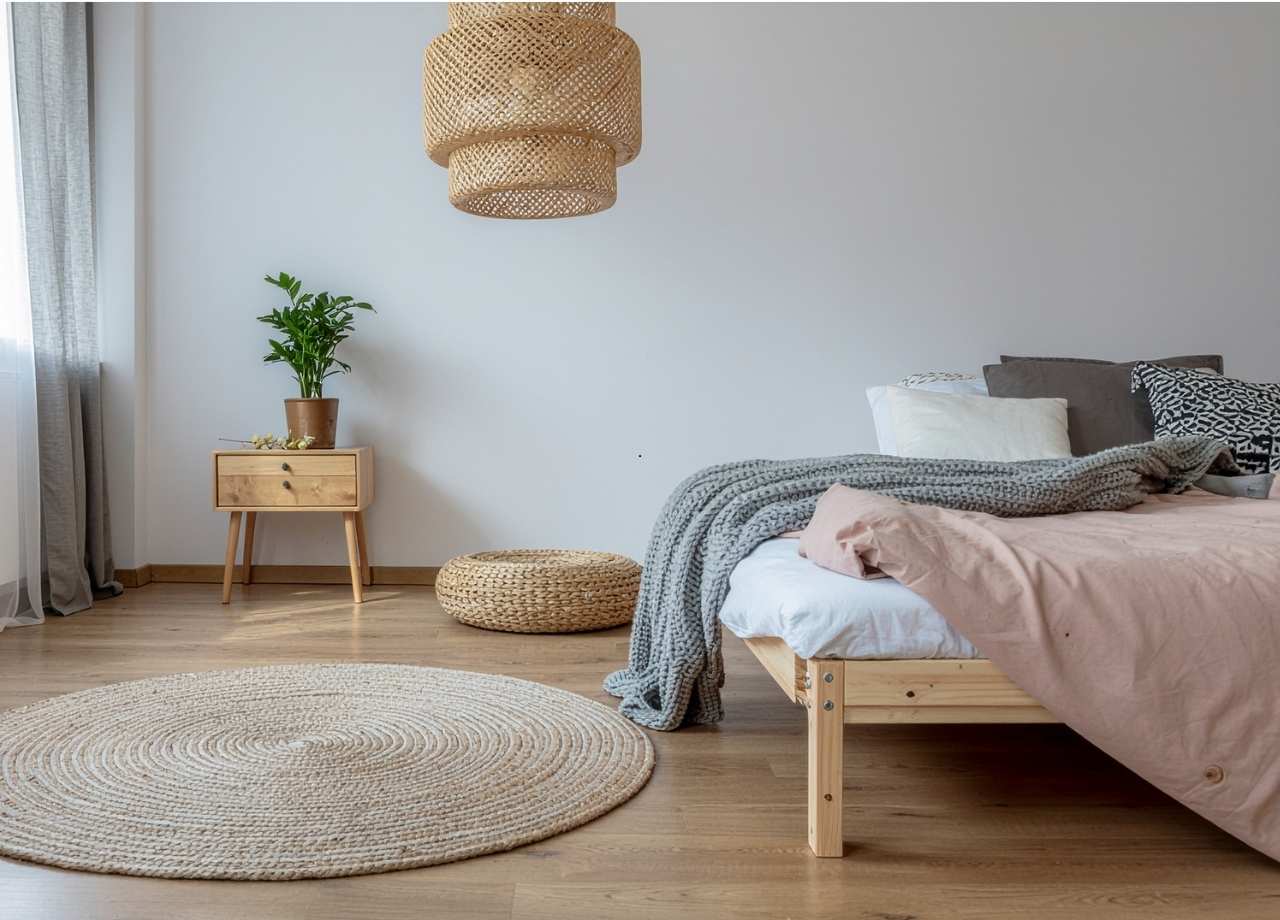
Detecting a bed bug issue often starts with seeing small bites on skin, often red, itchy, and sometimes clustered in a line or grouping. Another sign might be small dark spots (bed bug droppings) on sheets or the seams of mattresses. Some people also notice a musty, slightly sweet odor if the infestation is larger.
Because bed bugs are good at hiding and moving from place to place, infestations can spread quickly, especially in apartments or multi‑unit housing. If residents or property managers spot signs of bed bugs, quick action is important. Waiting too long can make the problem much harder to fix, and more expensive to resolve.
Outdoor & Seasonal Bugs: What You Might See Around Yards or Near Your Home
Georgia’s warm weather and lush outdoors don’t just attract residents. They also invite plenty of unwanted outdoor guests. Many bugs live outside, but end up visiting homes, especially if gardens, lawns, or mulch are near the building.
One of the most common outdoor pests is mosquitoes. Because Georgia gets frequent rain and often has standing water in lawns, bird baths, or clogged gutters, mosquitoes get perfect breeding grounds. They are especially active in warm months and around dawn or dusk. Their bites can be itchy and irritating, and sometimes even risky if the local mosquito population carries disease.
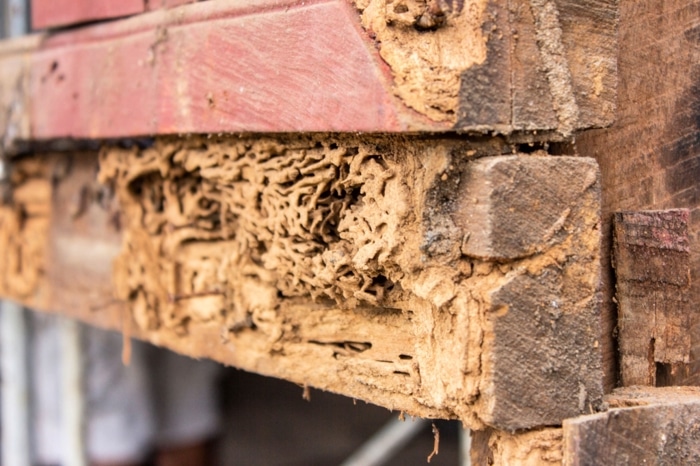
Termites are another big concern for Georgia homes. There are several termite species prevalent in the state, both subterranean and drywood types. Subterranean termites need contact with soil, often build mud tubes, and attack wood that is moist or close to the ground. Drywood termites may infest wood furniture or structural wood inside homes, even if it’s above ground. Because of the year‑round warm, humid climate in Georgia, termites remain active for much of the year.
Other outdoor or yard pests include ants (especially fire ants) that build mounds in lawns or near walkways, spiders hiding under eaves or in bushes, and occasional nuisance bugs that show up around mulch, garbage, or landscaping debris. These pests don’t always move indoors, but they pose a risk, especially if they find a path inside via cracks, open doors, or vents.
Many of these pests thrive around moisture, wood, and human food or waste. That makes yards, decks, trash bins, and even potted plants common hotspots. It’s worth remembering that outdoor maintenance, not just indoor cleanliness, plays a big role in pest prevention.
Why Georgia’s Climate Makes Bugs So Common
If you’ve noticed bugs more often in Georgia than when you lived farther north or in drier climates, you’re not imagining things. Georgia offers near‑ideal conditions for many pests. Warm air temperatures, frequent rainfall, and plenty of green spaces, all of which feel pleasant to people, are also perfect for insects and pests.
Pests that need moisture like cockroaches, termites, and mosquitoes find it easy to survive almost year‑round. Meanwhile, insects looking for shelter and food, indoor bugs like ants, spiders, silverfish, get drawn into homes with leaks, clutter, or food sitting out.
Because human homes often provide exactly what pests need, food, water, shelter, homes and apartments are prime real estate. That’s why pest control isn’t a one‑time task, but an ongoing effort for many Georgia residents.
For homeowners and property managers alike, staying on top of maintenance, fixing leaks, sealing cracks, reducing clutter, and keeping things clean, goes a long way toward making your space less pest‑friendly.
Common Challenges: Why Some Homes See More Bugs than Others
Not all homes are equally bug‑prone. Some properties seem to get pests more often than others. Why? A few common factors tend to make a big difference:
First, moisture. Homes with leaks under sinks or around plumbing, poor ventilation in basements or bathrooms, or damp basements tend to attract bugs like cockroaches, silverfish, and even termites.
Second, clutter and food sources. Crumbs on kitchen counters, open food boxes, pet food left out, or trash bins filling up are like invitations for ants, roaches, and rodents. Even potted plants or birdseed near doors can attract pests.

Third, cracks and entry points. Gaps under doors, unsealed windows, vents without screens, or damaged weather stripping can allow pests to slip in from outside. Once inside, they often settle where it’s dark and quiet.
Fourth, outside environment. Landscaping, mulch beds, piles of wood or debris, dense bushes near walls, these create perfect harborage for pests. Fire ants, rodents, spiders, and many other pests often live just outside homes before sneaking indoors.
Finally, climate and season. Summer heat, frequent rain, and humid conditions in Georgia means pest pressure is high much of the year. That means even if your home is clean, pests may still try to enter if other conditions are right.
Common Bug Bites in Georgia
Bug bites are a big topic in Georgia, especially during the warmer months when people spend more time outdoors. Not every bug in the state bites, but the ones that do tend to leave behind small clues. Understanding which bites come from which pests can help you figure out what is going on in or around your home.
Mosquito bites are by far the most common in Georgia. These bites usually show up as small, itchy bumps on exposed skin. You’ll notice them more after being outside in the evening or near water sources. Mosquitoes love standing water, so they can be active around ponds, birdbaths, puddles, or even clogged gutters. When the weather gets warm and humid, their numbers go up fast.
Flea bites can be another issue for Georgia residents, especially if pets are in the home. Flea bites often show up as small red dots around ankles or lower legs. They can be itchy and sometimes appear in clusters. Fleas can come inside on pets but also on clothing, and they can hide deep in carpets, bedding, or furniture.
Tick bites also happen throughout Georgia, especially in wooded or grassy areas. Many people don’t feel the bite right away because ticks attach quietly and stay in one place. A tick bite usually looks like a small red bump, sometimes with a darker center. Because ticks can carry illnesses, it’s important to remove them carefully and watch the bite area over the next few days.
Fire ant stings are another painful experience many Georgians know well. Fire ants build mounds in yards and can sting quickly if disturbed. Their stings usually feel like a sharp burn and then turn into small, white, pus-filled bumps. If someone has a sensitivity to fire ants, the reaction can be even stronger.
Bed bug bites are also common in the state. These bites often appear in rows or small clusters and usually show up overnight. Many people don’t feel the bite when it happens, so the itchiness comes later. Because bed bugs hide so well, their bites are often the first sign something is wrong.
No matter the type of bite, the most important thing is paying attention to patterns. If bites keep appearing after mornings, evenings outdoors, or while sleeping, it might be time to take a closer look at what pests could be involved.
Common Tree Bugs in Georgia
Georgia is filled with trees and shaded green spaces, which means there are plenty of bugs that spend their time outdoors feeding on leaves, bark, and roots. While these pests don’t always enter homes, they can affect yards, landscaping, and the areas right outside buildings. And sometimes, when outdoor pests grow in number, they make their way indoors too.
Aphids are one of the most common tree pests in Georgia. These tiny bugs gather in large groups on leaves and stems where they suck sap out of plants. If your trees or shrubs look sticky or start to wilt, aphids may be the reason. They also attract ants, which come to feed on the sticky residue aphids leave behind.
Scale insects are another pest that affects trees. These bugs attach themselves to branches and bark. They feed quietly but can weaken trees over time. Because they are so small and blend into bark, they can be hard to notice until the plant starts looking unhealthy.

Caterpillars are also very common on trees across Georgia. While they eventually turn into butterflies and moths, many kinds of caterpillars feed heavily on tree leaves. During certain times of year, it is not unusual to see trees with missing leaves or chewed edges.
Bagworms are pests that build small, bag-like coverings out of leaves and twigs. They hang from branches and feed on the tree. If left alone, they can spread quickly and cause a lot of damage to shrubs and smaller trees.
Beetles also affect Georgia trees, especially species that bore into wood. These beetles dig small holes into trunks or limbs where they lay eggs. Over time, the larvae can weaken the tree.
While these bugs usually stay outside, they can influence pest activity near homes. Damaged trees can shed leaves or debris that attract other pests. Fallen limbs or overgrown areas can create moisture and shade, giving insects more places to hide and multiply. For property managers, keeping landscaping trimmed and healthy goes a long way in reducing pest pressure overall.
When Bugs Turn Into Infestations
Seeing one or two bugs can be normal in any home. But when bugs keep coming back, it may be the start of an infestation. In Georgia, this can happen quickly, especially with pests like roaches, ants, bed bugs, and termites. The warm climate means bugs reproduce faster, and many pests stay active for most of the year.
Infestations often start small. Maybe you notice a few ants on a counter or one roach near the kitchen. These early signs can be easy to ignore, but pests rarely travel alone. Ants usually leave scent trails, which means more are on the way. Roaches often stay hidden until their population grows. Bed bugs stay out of sight for weeks before people notice bites. Termites can cause damage long before anyone sees a sign.
A few things tend to make infestations worse. Moisture gives pests a reliable water source. Leftover crumbs, open food containers, or full trash bins provide easy meals. Clutter creates hiding spots where bugs can nest or lay eggs. Gaps under doors or cracks around windows provide easy entry points that bugs can use year-round.
Infestations are also more common in shared buildings. In apartments, pests can move from one unit to another through walls, pipes, or hallways. That is why quick reporting is important. If residents wait too long, the problem can spread, which makes it harder to manage later on. For property managers, early awareness and fast action help prevent widespread issues and keep everyone in the building more comfortable.
What to Do if You Spot These Bugs
If you see bugs inside your home, the first step is not to panic. Most pest problems can be handled more easily when caught early. Start with small changes. Clean up crumbs or spills, especially in kitchens. Seal open food in containers. Check for leaks under sinks or around appliances since many pests follow moisture.
Look around your home for gaps where bugs might be getting in. Weatherstripping around doors and windows can wear down over time. Cracks around pipes or vents can leave small openings. Sealing these areas helps reduce new bugs from entering.
If you live in an apartment, it’s a good idea to report pest activity early, especially if you see more than one bug. This helps management take action before the issue spreads. If you are a property manager, having a clear process for pest reports helps ensure problems are handled quickly and that residents feel supported.
This is also where Pest Share becomes helpful. It gives residents an easy way to report pest issues and get professional help without long delays. It also helps property teams stay organized and ahead of problems, rather than juggling last-minute emergencies.
The main goal is to take action early, stay aware of changes in your home, and make sure you have support when bugs show up. With the right response, most pest issues can be handled smoothly.
Frequently Asked Questions
Are roaches normal in Georgia homes?
Yes, roaches are very common in Georgia because they love warmth and moisture. Even very clean homes can get them, especially during the summer or after rain.
Why are bugs worse in the summer?
Heat and humidity help bugs reproduce faster. Rain also creates more moisture, which draws pests toward homes.
What’s biting me at night?
Nighttime bites could be from mosquitoes, fleas, or bed bugs. If you’re seeing rows or clusters of bites, it might be worth checking for signs of bed bugs.
How can I keep bugs out without harsh sprays?
Start with sealing cracks, cleaning up food quickly, and reducing moisture. Ventilation, dehumidifiers, and taking out the trash more often can all help.