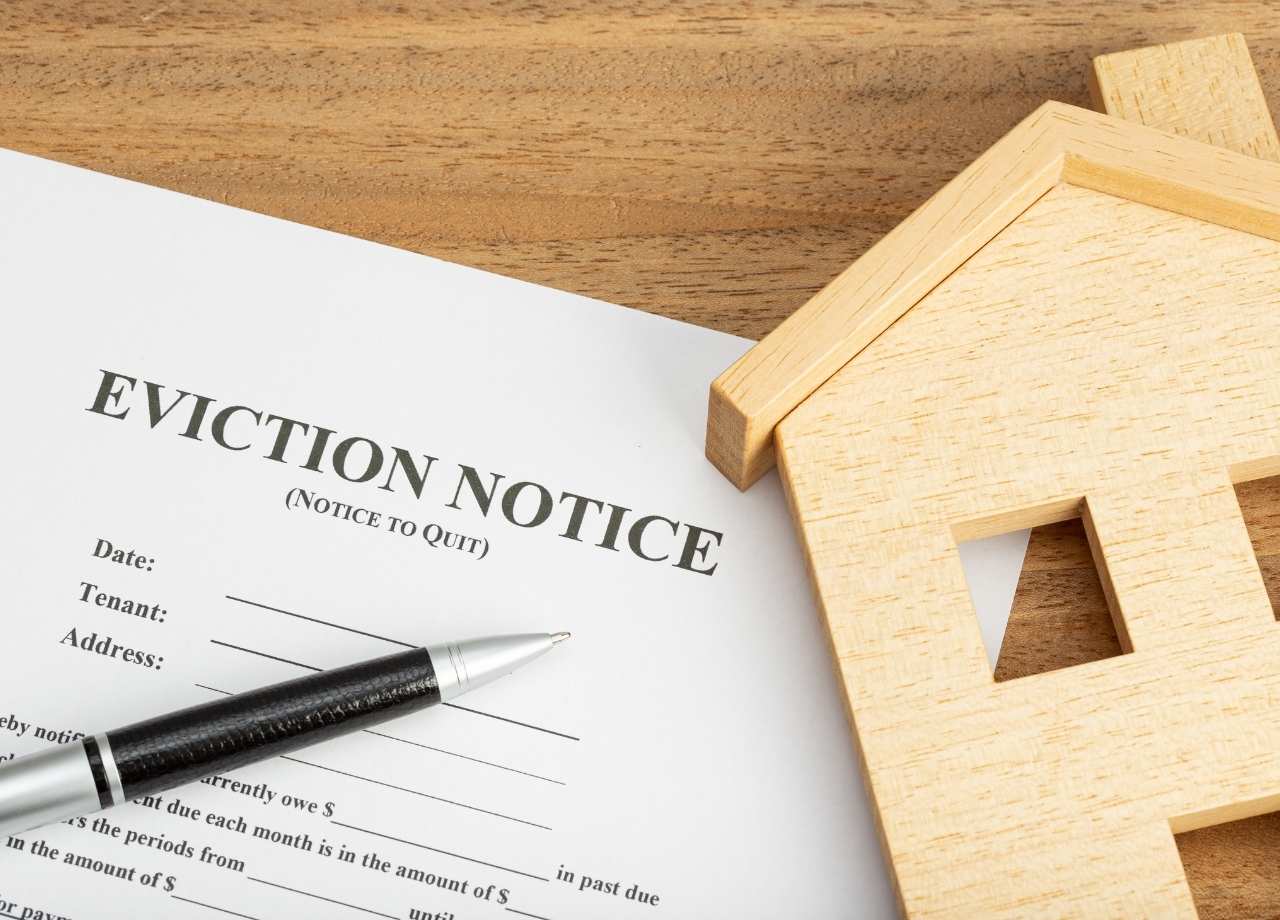
It’s one of the simplest documents in property management—and yet one of the most misunderstood. A “notice to vacate letter” is not just a formality. It’s a legal notification that either the resident or the property manager is ending the rental agreement, with a set move-out date in writing.
Why does this matter so much? Because in the world of property management, clarity equals protection. Without a written notice, you risk confusion, legal pushback, or worse, delays that tie up your units and cost you money.
Now, there’s often confusion between a notice to vacate and a lease termination letter. The difference? A notice to vacate simply states that one party is planning to move out. It doesn’t necessarily mean the lease is being “terminated” early. A lease termination, on the other hand, ends the agreement entirely, often ahead of the original lease expiration, and may require specific legal grounds or mutual consent. That distinction can matter if the situation ends up in court or if your lease agreements include specific early termination clauses.
When Notices to Vacate Are Required
Timing is everything in property management, and that includes when and how a notice to vacate is issued.
If a resident is planning to leave at the end of the lease term, most leases require them to notify you in writing within a set period. This can range from 30 to 60 days depending on your lease language and state laws. On the flip side, if a resident wants to terminate their lease early, a notice is still required, but now you’re looking at a very different set of conversations: early termination fees, potential subletting clauses, or even penalties.
The legal notice periods vary, but 30, 60, and 90-day requirements are the most common benchmarks across the U.S. The challenge? Making sure your team knows which applies when, especially if you manage properties in more than one state or municipality.
And here’s something property managers can’t afford to ignore: turnover trends. According to data from Buildium, 24% of renters are planning to move out within the next year—and another 34% are undecided about staying. That means over half of your units could be up in the air. In this kind of climate, failing to manage notices proactively isn’t just inefficient—it’s a financial risk.
Whether it’s a lease-end situation or an unexpected departure, the goal is always the same: document it properly and early.
Key Legal Considerations for Property Managers
No notice to vacate exists in a vacuum. Every letter you send, or receive, sits within a web of legal obligations, many of which change based on federal, state, and local guidelines.
Let’s start with lease types. Fixed-term leases usually require a set notice period near the end of the term, often 30 or 60 days before the lease ends. Month-to-month agreements are more fluid but still legally bound by local statutes, which may require a longer notice period or specific delivery methods. Managing both types across a property portfolio means having airtight templates and workflows in place.
Now, let’s talk about risk. If your notices don’t comply with legal requirements, the consequences can stack up fast: nullified notices, delayed turnovers, or even lawsuits. Worse yet, if mishandled, these notices could lead to eviction filings that weren’t necessary, or defensible.
And evictions are no small matter. Just over 1 million eviction cases were filed in 2024 across tracked U.S. jurisdictions, as reported by Eviction Lab. That represents a filing rate of 7.8% among renter households. For property managers, that’s a stark reminder of the stakes involved in every lease decision, every notice sent, every timeline missed.
Legal compliance is not about ticking boxes. It’s about keeping your properties profitable, your operations defensible, and your relationships intact.
Types of Notice to Vacate Letters
Tenant to Landlord / Property Manager
When a resident decides to move out, the most common trigger is the end of a lease. But even then, the notice to vacate must meet specific criteria to be valid.
A notice “without cause” is typically used when a resident is leaving for personal reasons, maybe they’re buying a home, relocating for work, or simply looking for something new. In these cases, they’re not accusing the property of any fault, they just need to go. That said, their lease still determines the notice window, usually 30 to 60 days before move-out.
A notice “with cause” is something else entirely. Here, the resident is leaving because of a serious issue, habitability concerns, unresolved maintenance, or breaches of the lease by the property. These notices often cite local tenant protection laws and can open the door to disputes or legal claims. That’s why it’s critical for property managers to respond promptly and professionally, even if you believe the complaint is unfounded.
Each notice should clearly include the resident’s name, unit number, planned move-out date, and a forwarding address if possible. But the biggest pitfall? Lack of specificity. Vague notices lead to vague outcomes, and potentially costly misunderstandings.
Landlord / Property Manager to Tenant
Sometimes the notice needs to come from your side. Whether you’re winding down a lease or asking a resident to leave for cause, your letter has to strike the right balance between legal compliance and professional tone.
A simple end-of-lease notice is the most straightforward. You’re informing the resident that the lease will not be renewed, and that they’ll need to vacate the unit by a specific date. If your lease defaults to automatic month-to-month after the term ends, your notice must clarify that this won’t apply.
Notices with cause are more complex. These are used when the resident has violated terms of the lease, missed rent, consistent noise complaints, unauthorized occupants. Your letter must spell out the exact violation, the relevant lease clause, and whether the resident has the opportunity to cure the issue before the notice becomes final.
Then there’s the “non-renewal” notice, which is more nuanced. You’re choosing not to renew the lease, but without citing a specific violation. Many jurisdictions still require a cause for non-renewal, especially if local laws limit arbitrary displacement. Getting this wrong doesn’t just risk invalidating the notice, it can expose your property to reputational damage or even legal action.
Bottom line: Every notice from the property side needs to be bulletproof in its language, timeline, and delivery.
Special Notice Situations
Some notice scenarios don’t fit neatly into the typical lease-end framework, but they’re just as common, and just as sensitive.
Breaking a lease early is one of the most frequent resident-initiated notice types, especially in economic downturns or during relocations. If your lease has early termination clauses, this notice triggers those conditions: payment of a fee, continued rent until re-lease, or forfeiture of a deposit. It’s critical that your response outlines the remaining obligations in detail.
Lease violations, such as non-payment or unauthorized occupants, often require immediate notice. But here’s the trap: these notices must often follow a two-step process. First, a warning or “cure” notice gives the resident a chance to fix the issue. Only after that can you issue a formal notice to vacate. Skipping steps or issuing the wrong document in the wrong order is a fast track to a dismissed eviction case.
Another scenario: management changes. If ownership shifts or your company is transitioning out of the management role, residents need formal notice that their lease remains valid but that key contact and payment information has changed. It’s not a termination letter, but it functions much like one from the resident’s perspective. Clarity, again, is everything.
These edge cases show why standardized templates are helpful, but not always sufficient. Knowing when to customize, based on lease type, jurisdiction, or issue, is what separates reactive managers from strategic operators.
Notice to Vacate Letter Templates
Template: Tenant to Property Manager
When residents write to inform you they’re moving out, their letters should follow a clear structure. The essentials are simple but non-negotiable: their name, unit number, move-out date, lease reference, and contact details for follow-up. You’ll also want them to specify their forwarding address for security deposit returns and final communication.
A well-designed template can guide residents through this. It might include fillable sections like:
- Move-out date
- Reason for vacating (optional but helpful)
- Forwarding address
- Signature and date
Providing this kind of template—either through your resident portal or onboarding materials—reduces errors and gives you consistent documentation.
Template: Property Manager to Tenant
Your notice templates should align with lease terms, local law, and your internal protocols. A standard lease-end notice might begin with a polite, formal statement of non-renewal, followed by the exact vacate date, instructions for unit condition, and contact information for move-out coordination.
The language should be professional, neutral, and precise. For example:
“This notice serves to inform you that your current lease, ending on [date], will not be renewed. You are required to vacate the premises by [move-out date]. Please ensure the unit is left in accordance with the move-out checklist provided.”
Even seemingly small phrases matter. Avoid language that implies the resident is being evicted unless that’s legally accurate.
Short-Form and Quick Email Templates
In many cases, you’ll need to send shorter, digital versions of these notices—particularly for month-to-month residents or informal lease arrangements. These email versions must still include all legally required elements: date, move-out deadline, lease reference, and your contact details.
Be sure to retain a copy of any digital notices and include read receipts or delivery confirmations when possible. Compliance doesn’t end at “send.”
How to Write an Effective Notice to Vacate
Step-by-Step Writing Guide
Every notice must include several critical elements to be valid:
- The full legal names of both parties
- The lease address
- Lease start and end dates (or current term if month-to-month)
- Date of notice issuance
- Date of required move-out
- A statement of non-renewal or cause for vacating
- Contact for questions or next steps
Tone matters, too. Notices should always read as professional business communication. Avoid emotional language or anything that could be interpreted as retaliatory or discriminatory. This is especially important if the notice is for cause.
Think of the notice not just as a legal requirement but as part of your brand experience. A clean, respectful notice helps maintain goodwill, even when the message isn’t what the resident wants to hear.
Formatting Best Practices
Notices should be easy to read and legally compliant. Use block formatting with clear headings and enough white space to avoid confusion. Include any attachments, like move-out instructions or final inspection details with a checklist for the resident’s convenience.

Whether delivered by mail or email, the formatting should make your professionalism immediately clear.
Common Mistakes Property Managers Should Avoid
- Sending notices with the wrong move-out date
- Failing to cite the lease or applicable law
- Using outdated contact information
- Not keeping a record of the delivery
These might seem like small mistakes, but they can lead to delayed turnovers or even legal complications. Always double-check the lease, your local laws, and your templates before sending.
How to Deliver and Document Notices
The best-written notice means little if it’s not delivered properly or tracked correctly.
Delivery Methods
Common methods include:
- Certified mail with return receipt
- Hand delivery with signature acknowledgment
- Email with read receipt or resident portal delivery
Each has its pros and cons. Certified mail offers a clear paper trail, but takes time. Hand delivery is quick but requires a witness or sign-off. Digital delivery is efficient, especially at scale, but you need systems that capture proof of receipt.
For high-risk notices like those related to violations or legal disputes, certified mail is usually the safest route.
Record-Keeping and Audit Trails
Use your property management software to log every notice, with fields for:
- Date sent
- Delivery method
- Recipient name and unit
- Type of notice
- Status (read, acknowledged, responded)
Digital platforms like AppFolio, Buildium, or Rent Manager allow for this kind of documentation, giving your team visibility and legal protection.
This matters more than ever.
Handling Tenant Responses
What to Do When Tenants Don’t Acknowledge
Sometimes residents don’t reply, even when required. Don’t assume silence means agreement.
You’ll need a documented follow-up process: a second notice, a phone call, or a posted letter on the door (if your local laws permit). Escalation must follow legal timelines, especially if a lease violation could lead to eviction.
Negotiating Lease Extensions or Changes
Not every notice leads to a move-out. Some residents push back, asking to extend their lease, adjust the move-out date, or remedy an issue. Your process should allow for flexibility, but always get any changes in writing.
If you revise the original notice, document the new agreement clearly, update your systems, and send confirmation to the resident.
Integrating Notices into Property Management Workflows
Using Software to Automate Notices
Automation tools allow you to schedule notices in advance based on lease end dates or rule-based triggers. With the right platform, you can queue up a non-renewal letter 60 days before lease expiration, flag it for review, and deliver it automatically, saving your team hours of admin time.
Software can also generate alerts when acknowledgments aren’t received or deadlines are missed.
Communication Protocols with Staff and Tenants
Clear internal processes prevent mistakes. Every property manager should have access to standardized templates, delivery logs, and escalation paths. Your staff must know what notice to use, when to send it, and how to handle exceptions.
This reduces legal risk and ensures a consistent resident experience.
FAQs for Property Managers
Can a notice to vacate be rescinded?
Yes, but both parties must agree in writing. Always update lease records to reflect any changes.
What if a resident doesn’t provide a forwarding address?
Keep documentation of attempts to collect it. If a security deposit is unclaimed, follow your state’s laws on unreturned funds.
What if the lease conflicts with local law?
Local law always overrides lease terms. Check with legal counsel or your local housing authority to resolve discrepancies.
State & Local Law Reference Resources
Every notice must comply with state and municipal laws. Provide your team with links to:
- State housing department websites
- Local landlord/tenant codes
- Printable compliance checklists for each jurisdiction you serve
Doing so prevents missteps and arms your team with defensible processes.