Most property management businesses do not fail because of bad properties. They struggle because of broken follow up, scattered communication, and decisions made without clear visibility. Leads sit untouched. Residents feel ignored. Owners ask reasonable questions that take too long to answer. None of this happens because people are careless. It happens because information lives in too many places and no one system truly owns the relationship.
Property management CRM software exists to solve that specific problem. It is not just another dashboard or reporting layer. At its core, a CRM is designed to manage relationships over time. It tracks conversations, actions, preferences, and outcomes so nothing important slips through the cracks. For property managers, that means every lead, resident, owner, and vendor interaction becomes part of a living record that the entire team can rely on.
Unlike traditional property management tools that focus on units and accounting, CRM software focuses on people and processes. It brings structure to the messy middle of the business where communication, follow up, and decision making actually happen. When used correctly, it becomes the operational spine that connects leasing, operations, and customer experience into one cohesive system.
Defining CRM vs. Traditional Property Management Software
Traditional property management software was built to answer a different question. It asks how rent is collected, how expenses are tracked, and how financial reports are generated. These platforms are excellent at handling transactions. They are less effective at managing conversations, intent, and long term engagement. That gap has become more visible as portfolios grow and expectations rise.
A CRM does not replace core property management software. It complements it by managing everything that happens before and between transactions. Lead inquiries, follow up cadence, resident requests, owner updates, renewal conversations, and internal task coordination all live naturally inside a CRM environment. Instead of relying on inboxes, spreadsheets, and memory, teams operate from a shared source of truth.
How CRM Fits Into the Property Management Lifecycle
Every property follows a lifecycle whether it is formally mapped or not. It begins with lead inquiry and moves through leasing, onboarding, daily operations, renewals, and long term owner relationships. A CRM touches every one of those phases without disrupting existing workflows. It simply makes them visible and repeatable.
At the front end, CRM software captures and organizes inbound leads from listing sites, websites, and referrals. Instead of leads being scattered across emails and forms, they enter a single pipeline with clear ownership and follow up expectations. As prospects convert into residents, the CRM maintains continuity so history is not lost during handoffs.
During ongoing operations, CRM systems support consistent communication and accountability. Maintenance requests, service updates, and proactive check ins are logged and tracked. When renewal time approaches, teams already have context. They know who has been engaged, who has had issues, and where attention is needed. For owners, the CRM preserves transparency by documenting updates, conversations, and performance insights over time.
Why Property Managers Need CRM Software
Many property managers believe they already have enough systems. Accounting software, property management platforms, maintenance tools, and marketing portals all promise efficiency. Yet adoption tells a different story. While roughly 72.5% of real estate professionals now use some form of CRM software according to recent research on how many realtors use a CRM in 2025, fewer than forty percent achieve full team adoption. That gap reveals a deeper issue. Tools are being purchased, but processes are not being transformed.
CRM software becomes essential when growth exposes cracks that can no longer be patched manually. More units mean more conversations. More owners mean more expectations. More residents mean more service moments that must be handled consistently. Without a CRM, scaling often leads to reactive behavior rather than intentional management.
Core Business Challenges CRM Solves
One of the most persistent challenges in property management is follow up. Leads go cold. Owner questions sit unanswered longer than intended. Residents feel like they are repeating themselves. CRM software addresses this by creating structured workflows that make follow up unavoidable rather than optional, which is why industry data consistently shows measurable gains in revenue performance, productivity, and forecast accuracy when CRM systems are used effectively.
Visibility is another challenge that limits consistency. Without a centralized system, managers rely on verbal updates or scattered notes, creating risk when staff change roles or leave. CRM platforms preserve institutional knowledge by keeping communication history and commitments accessible.
Prioritization is the third obstacle. Not every task carries the same weight, yet inboxes treat them equally. CRM systems surface high intent leads, at risk renewals, and unresolved issues so teams can focus where attention matters most.
CRM Benefits for Lead Capture, Tenant Engagement & Owner Satisfaction
Lead capture is only valuable if it leads to timely engagement. CRM software ensures inquiries are acknowledged quickly and consistently, which directly affects conversion rates. Prospects receive follow ups that feel intentional rather than automated, even when automation is powering the process behind the scenes.
For residents, CRM driven engagement creates a sense of continuity. Questions are answered with context. Requests do not disappear. Communication feels coordinated rather than fragmented. Over time, this consistency builds trust and reduces friction in day to day interactions.
Owners benefit from transparency and responsiveness. CRM systems make it easier to provide updates, share performance insights, and document decisions. When owners feel informed and heard, satisfaction improves even during challenging situations. This is where CRM quietly supports retention without overt effort.
Operational Efficiency & Workflow Automation
Efficiency gains from CRM software are not theoretical. Research shows that CRM systems can increase sales by up to twenty nine percent, improve productivity by thirty four percent, and boost forecast accuracy by forty percent, delivering an average return of eight dollars and seventy one cents for every dollar spent according to real estate CRM software statistics. For property managers, these gains translate into fewer dropped balls and better use of staff time.
Workflow automation handles repetitive tasks that do not require judgment. Follow up reminders, status updates, internal notifications, and task assignments can all be automated without sacrificing personalization. This frees teams to focus on complex issues where human attention adds the most value.
Over time, operational efficiency compounds. Processes become cleaner. Training becomes easier. Performance becomes measurable. CRM software does not remove the human element from property management. It supports it by ensuring that effort is spent where it actually matters.
Key Features of Property Management CRM Software (Core)
Core CRM features are not about innovation or differentiation. They are about reliability. These are the capabilities that determine whether a CRM becomes part of daily operations or fades into the background after initial setup. When these fundamentals are weak, no amount of advanced functionality can compensate.
For property managers, core CRM features must support volume, consistency, and accountability. They need to work quietly in the background while keeping every relationship, task, and conversation organized. The goal is not to impress users. It is to remove friction from everyday work.
Lead Management & Pipeline Tracking
Lead management is where CRM value often becomes visible first. Every inquiry represents potential revenue, yet many are lost simply because follow up is inconsistent. A CRM organizes leads into clear pipelines so teams always know who needs attention and why. This structure replaces guesswork with intention.
Pipeline tracking adds visibility to progress. Managers can see where leads stall, which channels perform best, and how quickly prospects move from inquiry to lease. Over time, these insights support better forecasting and smarter marketing decisions. Without pipeline tracking, growth relies too heavily on intuition.
Just as important, pipelines create accountability. Ownership is clear. Next steps are defined. Leads stop being abstract opportunities and become managed relationships.
Contact & Communication Management
Property management generates constant communication. Emails, calls, notes, updates, and follow ups happen every day across multiple roles. Without a centralized system, information fragments quickly. A CRM brings all communication into one place, tied directly to the contact it belongs to.
This consolidation creates continuity. Anyone on the team can step into a conversation with full context. Questions are answered faster because history is visible. Mistakes caused by missing information become far less common.
Effective communication management also supports professionalism. Responses feel informed rather than reactive. Over time, this consistency builds trust with residents, owners, and prospects alike.
Owner & Tenant Communication Portals
Communication portals extend CRM value beyond internal teams. They give residents and owners access to information without relying on back and forth emails. Requests, updates, and documents live in one shared space that reflects the same data the management team sees.
For residents, portals reduce uncertainty. They can check status updates, submit requests, and review communication history without waiting for responses. This sense of visibility often matters as much as speed.
For owners, portals provide confidence. Performance updates, conversations, and records are accessible and documented. This transparency strengthens relationships and reduces friction, especially when difficult conversations arise.
Maintenance & Work Order Tracking Integration
Maintenance is one of the most sensitive areas of property management. Delays or miscommunication here quickly affect satisfaction. When maintenance systems integrate with CRM platforms, issues become part of the broader relationship record rather than isolated tasks.
Work order integration allows teams to see patterns. Frequent issues, delayed resolutions, or recurring complaints surface clearly. This context supports better decisions and proactive communication.
Just as importantly, integration prevents silos. Maintenance updates inform resident communication. Owner updates reflect real time progress. Everyone operates from the same information.
Reporting, Dashboards & Analytics
Reporting transforms activity into insight. CRM dashboards provide visibility into lead performance, response times, workload distribution, and engagement trends. Instead of relying on anecdotal feedback, managers see measurable patterns.
Well designed analytics support better decisions. Staffing adjustments, process improvements, and marketing investments become easier to justify. Over time, reporting also supports accountability by making performance visible.
The best dashboards do not overwhelm. They focus on clarity and relevance, highlighting what matters most rather than every possible metric.
Integrations & Open API Support
No CRM operates in isolation. Property management businesses rely on accounting software, marketing platforms, maintenance tools, and communication systems. Open integration capabilities determine whether the CRM enhances this ecosystem or complicates it.
APIs and native integrations allow data to flow smoothly between systems. Information stays consistent. Manual entry decreases. Errors become less likely. This connectivity protects efficiency as operations scale.
Long term, integration flexibility protects choice. It allows businesses to evolve their tech stack without replacing the CRM itself. That adaptability is often the difference between a system that lasts and one that becomes obsolete.
Features Often Missing or Under-covered in Competitor Content
Most CRM conversations stop at contact management and reporting. That is where many vendor blogs end, even though those features have been standard for years. Property managers today care less about whether a CRM can store data and more about whether it can reduce decision fatigue and prevent problems before they surface. This is where modern functionality begins to matter.

The most overlooked features tend to sit at the intersection of automation, accessibility, and flexibility. These capabilities do not always look impressive in a demo, but they shape daily operations in meaningful ways. When they are missing, teams revert to workarounds, side tools, and manual processes that quietly undermine adoption. When they are present, the CRM becomes a system people actually want to use.
AI-Driven Workflow Automation & Predictive Insights
Artificial intelligence has moved beyond marketing language and into practical application inside CRM platforms. According to recent CRM statistics on generative AI adoption, about 65% of CRM platforms now include AI capabilities designed to prioritize leads, automate workflows, and improve customer satisfaction. For property managers, this shift is especially relevant because the business generates consistent patterns that AI can learn from.
AI driven workflows help surface what deserves attention first. Instead of scanning dozens of records, managers can see which leads are most likely to convert or which residents may be at risk of non renewal. Predictive insights can flag delays, communication gaps, or unusual behavior before they escalate into complaints or vacancies.
The value here is not replacement of human judgment. It is augmentation. AI helps teams focus their judgment where it has the greatest impact. Over time, this reduces reactive decision making and creates a calmer, more intentional operating rhythm across the portfolio.
Omnichannel Communication (email, SMS, chat, voice)
Communication rarely happens in one place anymore. Prospects send emails, residents text, owners expect updates, and internal teams message each other constantly. A CRM that only tracks email captures a partial picture at best. Omnichannel communication brings these interactions into a single timeline so context is never lost.
When email, SMS, chat, and voice interactions are logged together, conversations become easier to manage and follow. Teams can respond faster because they are not switching tools or searching for history. Residents feel heard because responses reflect awareness of prior interactions rather than generic replies.
This unified view also supports consistency. Messaging standards, response times, and follow up processes can be applied across channels without forcing everyone into a single mode of communication. The result is flexibility without chaos.
Mobile Accessibility & On-the-go CRM Apps
Property management is not a desk bound profession. Teams move between properties, meetings, and job sites throughout the day. CRM systems that assume desktop only usage quickly fall out of favor. Data reinforces this reality. Research shows that 94% of businesses report increased sales productivity after implementing a CRM, and eighty one percent access CRM tools across multiple devices, highlighting why mobile and cross platform functionality matters.
Mobile accessibility allows updates to happen in real time. Notes can be logged immediately after a conversation. Tasks can be completed between appointments. Issues can be escalated without delay. This immediacy improves data quality and reduces the burden of end of day catch up.
A well designed mobile CRM does not attempt to replicate the full desktop experience. It prioritizes speed, clarity, and essential actions. When done right, it becomes a natural extension of daily work rather than an extra obligation.
Self-Service Portals & Resident Enablement
Self service is often framed as cost reduction, but its deeper value lies in empowerment. When residents can access information, submit requests, and track updates on their own terms, satisfaction improves even if fewer direct interactions occur. CRM enabled portals make this possible by connecting residents to the same system teams use internally.
These portals create transparency. Residents can see status updates without asking. Owners can review information without waiting for reports. This reduces inbound volume while increasing perceived responsiveness. Importantly, it also creates a shared record that minimizes misunderstandings.
Self service does not eliminate the need for human support. It enhances it by reserving direct engagement for moments that truly require conversation and judgment.
Custom Workflow & Custom Field Builders
No two property management businesses operate exactly the same way. Portfolio mix, market dynamics, and internal structure all influence how work flows through the organization. CRM platforms that enforce rigid processes often struggle with adoption because they require teams to change how they think rather than how they execute.
Custom workflow builders allow property managers to model their actual processes inside the system. Custom fields capture the data that matters rather than forcing generic categories. Over time, this flexibility makes the CRM feel tailored rather than imposed.
The long term benefit is adaptability. As the business evolves, workflows can evolve with it. This prevents the CRM from becoming outdated or misaligned with reality.
CRM Features Checklist for Property Managers
A checklist forces clarity. It separates features that are essential from those that are aspirational. Without this discipline, CRM evaluations tend to drift toward surface level comparisons that do not reflect daily needs.
Must-Have “Day-One” Capabilities
Day one capabilities are about stability and usability. Contact management, communication tracking, task automation, and basic reporting must work intuitively. If these elements feel cumbersome, adoption will suffer regardless of advanced features.
Equally important is ease of configuration. Teams should be able to customize fields, pipelines, and permissions without heavy technical support. The goal is to get value quickly, not to embark on a prolonged setup project.
“Nice-to-Have” Strategic Features
Strategic features enhance performance once the foundation is solid. These include advanced analytics, deeper integrations, and multi channel communication tools. They support optimization rather than basic operation.
While not required on day one, these features often become differentiators as portfolios grow. Planning for them early avoids painful migrations later.
Enterprise-Grade Features (AI, Scalability, Multi-Portfolio)
Enterprise features address complexity. AI insights, role based access controls, and multi portfolio reporting become essential as organizations scale. These capabilities ensure that growth does not compromise visibility or control.
Even smaller teams benefit from considering enterprise readiness. Choosing a platform that can scale prevents future constraints from dictating strategy.
Top Property Management CRM Software Platforms (2026)
The CRM landscape for property management has matured significantly. The market is no longer divided simply between real estate CRMs and generic CRMs. Instead, platforms now differentiate themselves by how well they support specific operating models, portfolio sizes, and growth strategies. Understanding these categories is far more useful than scanning long feature lists, because the right CRM depends on how a property management business actually works.

Rather than ranking platforms from best to worst, it is more practical to group them by strength and use case. What serves an enterprise portfolio well may feel bloated or restrictive for a smaller team.
Best All-In-One CRM Platforms
All-in-one CRM platforms are designed for businesses that want a single system to manage relationships, communication, automation, and reporting across teams. These platforms are not built exclusively for property management, but their flexibility and ecosystem depth make them attractive to organizations that want long term scalability.
Knock CRM – A multifamily powerhouse that provides a centralized leasing dashboard with advanced automated follow-ups, tour scheduling, and real-time performance analytics.
Funnel Leasing – A “prospect-centric” platform that creates a single customer record across an entire portfolio to provide a seamless, omnichannel leasing experience.
LeadSimple – A sales-focused CRM designed specifically for property managers to automate owner lead intake, tenant placement, and complex operational workflows.
Showdigs – A unique leasing CRM for single-family managers that combines lead software with a network of on-demand agents to handle property showings.
Anyone Home – An integrated CRM and contact center that offers deep lead-tracking insights and automated “self-tour” technology for prospect convenience.
Entrata Layer – A comprehensive CRM module built into the Entrata ecosystem that excels at high-volume resident communication and lease renewal automation.
Lead2Lease – A RealPage product that specializes in lead management and conversion tracking for large-scale enterprise multifamily portfolios.
EliseAI – Formerly an assistant but now a full-scale “AI Property Manager” that autonomously handles 100% of lead inquiries and scheduling across email, text, and voice.
HubSpot for Real Estate – A highly customizable general CRM that many modern managers use to build sophisticated inbound marketing funnels and owner acquisition tracks.
Follow Up Boss – A beloved, fast-paced CRM that excels at lead distribution, team accountability, and instant “speed-to-lead” response tools.
Monday CRM – A highly visual and flexible platform that allows managers to build custom “low-code” pipelines for leasing, maintenance, and owner relations in one view.
Pipedrive – A visual sales tool favored by smaller management firms for its intuitive “drag-and-drop” leasing stages and robust mobile app for field agents.
Zoho CRM – A budget-friendly, highly extensible platform that offers specialized real estate modules for managing listings alongside client relationships.
How to Choose the Right CRM for Your Property Management Business
Choosing a CRM is less about features and more about fit. The right platform aligns with how the business actually operates rather than how it wishes it did.
Defining Your Requirements & Goals
Clear goals anchor the selection process and prevent unnecessary complexity. Whether the focus is lead conversion, resident experience, or owner communication, requirements should tie directly to measurable outcomes. When goals are clearly defined, it becomes easier to eliminate platforms that do not align.
Requirements should also reflect current realities. Overestimating needs can lead to bloated systems, while underestimating them can limit growth. A realistic assessment creates a strong foundation for selecting the right CRM.
Comparing CRM Capabilities Side-by-Side
Side by side comparisons reveal trade offs that marketing pages often obscure. Ease of use, customization depth, and integration quality matter as much as feature breadth. These factors directly affect how smoothly the CRM fits into daily operations.
Testing real workflows is essential. Evaluating how each platform handles common tasks exposes strengths and limitations that demos rarely show. This practical approach leads to more confident decisions.
Budgeting & Pricing Model Considerations
CRM pricing models vary widely and scale differently over time. Per user, per unit, and usage based pricing all affect long term costs as portfolios grow. Understanding these dynamics early helps avoid budget pressure later.
Beyond subscription costs, teams should consider implementation, training, and support expenses. Looking at total cost of ownership provides a clearer picture of long term investment.
How to Evaluate ROI & Adoption
Return on investment depends heavily on adoption. Even the most advanced CRM delivers limited value if teams do not use it consistently. Ease of onboarding and intuitive design play a major role in long term success.
Ongoing support and training also matter. CRMs that provide strong resources and guidance tend to see higher engagement, better data quality, and more reliable outcomes over time.
CRM Implementation Best Practices for Property Managers
CRM software delivers value only when implementation is handled with intention. Many property management teams treat setup as a technical task, but it is primarily an organizational one. Implementation shapes how people work, how information moves, and how consistently decisions are made.
Strong implementation aligns the system with real workflows rather than ideal ones. It accounts for daily pressures and time constraints. When done well, the CRM supports operations quietly, making work feel more predictable and controlled.
Setting Up CRM: Step-by-Step
Effective setup begins with clarity. Teams must define what success looks like before configuring anything. This includes identifying key relationships, required actions, and outcomes that matter. Without this foundation, even well designed CRMs become cluttered.
Configuration should reflect how work actually happens. Pipelines, workflows, and permissions need to mirror real processes. Starting simple helps teams see value quickly and build momentum, which is often the difference between adoption and abandonment.
Data Migration from Legacy Systems
Data migration is a common failure point. Legacy systems often contain outdated or inconsistent information, and moving everything over only transfers those problems. A focused migration prioritizes active contacts, recent communication history, and critical records.
This process also creates an opportunity to clean data. Reviewing what moves and what does not helps eliminate redundancy and improves data quality. A cleaner system supports better insight and smoother operations long term.
Onboarding & Training Staff
Training determines whether the CRM becomes a shared system or a management tool few people use. Effective onboarding focuses on real scenarios, showing staff how the CRM makes their work easier rather than walking through features.
Role specific training improves relevance. Leasing, operations, and leadership teams use the system differently. Ongoing reinforcement through refreshers, documentation, and visible leadership usage signals that the CRM is a core part of daily work.
Measuring Success: KPIs & Metrics to Track
Measurement keeps implementation grounded. Without clear metrics, teams rely on perception rather than results. CRM metrics should connect activity to outcomes, including response times, conversion rates, renewals, and issue resolution.
Tracking trends over time shows whether processes are improving or stalling. Metrics should support learning and adjustment. When teams see data as a tool for improvement, engagement increases.
Advanced CRM Strategies for Property Managers
Once the foundation is stable, CRM platforms become strategic tools. Advanced usage focuses on anticipation rather than reaction. This shift helps property managers move from managing volume to managing outcomes.
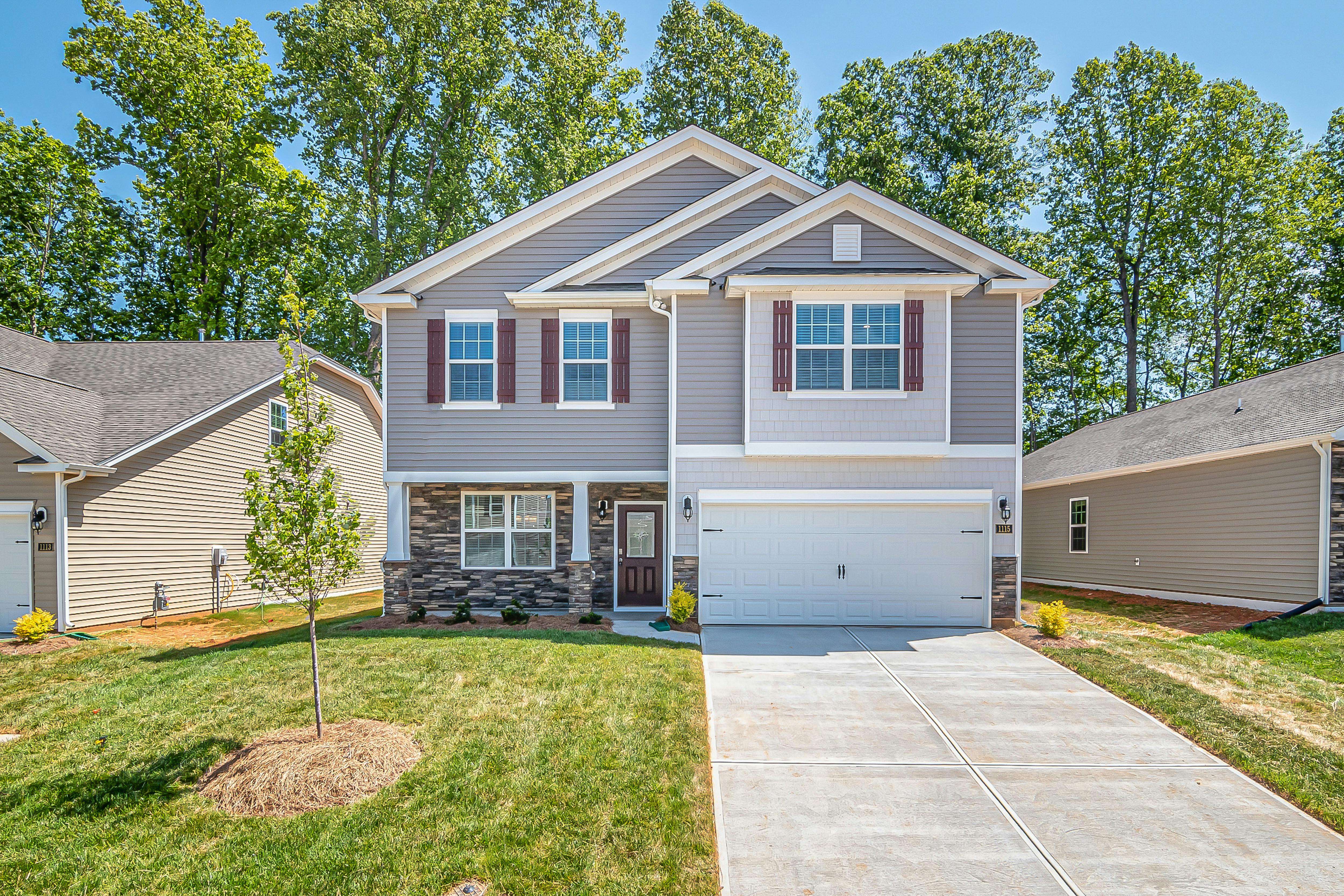
Strategic CRM use turns patterns into insight and insight into action.
Automation Workflows for Tenant Communications
Automation works best when it supports consistency without sounding impersonal. CRM workflows can trigger reminders and updates based on lifecycle events rather than fixed schedules.
This ensures residents receive timely information without constant manual effort. Move in guidance, maintenance updates, and renewal reminders arrive when they are most relevant. Predictable communication builds trust quietly.
Using CRM Data to Predict Vacancy & Renewal Trends
Vacancy often shows early warning signs. Missed messages, unresolved issues, and declining engagement tend to appear before non renewals. CRM data captures these patterns.
By analyzing engagement and response trends, teams can identify risk earlier and act before dissatisfaction becomes final. Over time, this supports smarter renewal strategies and more proactive portfolio planning.
Integrating CRM With Marketing Tools (Email, Ads, SEO)
Marketing integration connects effort to outcome. CRMs that integrate with email, advertising, and website analytics reveal which campaigns generate real conversations and leases.
This visibility improves budget efficiency and messaging focus. Personalization also improves, as campaigns can align with lifecycle stages rather than broad segments.
Leveraging CRM for Reputation & Referral Growth
Reputation grows through consistent follow up. CRM systems support this by triggering outreach after key moments like move ins, resolved issues, or renewals.
Review requests and referral prompts arrive when satisfaction is highest. Because they are tied to real experiences, they feel natural rather than forced. Over time, this builds credibility and steady referral momentum.
Frequently Asked Questions About Property Management CRM Software
Questions around CRM adoption tend to surface at predictable points. Addressing them directly removes friction and builds confidence.
CRM vs Property Management Software: Key Differences
The distinction lies in focus. Property management software manages units and transactions. CRM software manages relationships and processes. Together, they provide a complete operational picture.
Deployment Times & Ease of Use
Deployment timelines vary based on complexity, but most teams can achieve basic functionality within weeks. Ease of use depends less on software and more on alignment with real workflows.
How CRM Improves Tenant & Owner Retention
Retention improves when communication is timely, consistent, and informed. CRM systems support all three by preserving context and prompting proactive engagement.
Common Mistakes to Avoid During CRM Adoption
The most common mistakes include over customization early, insufficient training, and lack of leadership involvement. These issues are avoidable with deliberate planning.
Future Trends in Property Management CRM
CRM software continues to evolve alongside expectations. The market is projected to grow significantly, reflecting increasing demand for engagement and automation tools across industries. For property managers, these trends signal both opportunity and responsibility.
AI, Automation & Predictive Management
AI will increasingly support forecasting and prioritization. Predictive management shifts focus from responding to issues toward preventing them through early signals.
Voice & Chatbot Assistants in CRM
Voice and chat interfaces are becoming more natural points of interaction. These tools handle routine questions while feeding data back into the CRM for context and learning.
CRM & IoT / Smart Property Integrations
Smart property technology generates data that CRM systems can interpret. Usage patterns, alerts, and environmental data add new dimensions to resident experience management.
CRM for ESG & Sustainability Tracking
Environmental and social reporting is becoming part of owner expectations. CRM platforms are beginning to support tracking and communication around sustainability initiatives and outcomes.
As these capabilities mature, CRM systems will continue to move closer to the center of property management operations, shaping how relationships are managed and how growth is sustained without adding unnecessary complexity.