Most property issues do not start as emergencies. They start quietly. A little extra noise that goes unchecked. A few more people staying overnight than expected. A minor leak that no one notices until the damage spreads. By the time these problems show up on a report or a review, the cost is already locked in. That is the real pressure point for modern property managers. Not finding problems faster, but finding them early enough to matter.
The growth of rental monitoring solutions is a response to this reality. The global vacation rental property management services market reached USD 22.7 billion in 2024 and is projected to grow at a 10.2 percent CAGR, reaching USD 54.9 billion by 2033. That growth is not driven by novelty or trend chasing. It is driven by managers who have learned that visibility is no longer optional when portfolios scale and expectations rise.
Rental monitoring is not about watching people. It is about protecting assets, maintaining standards, and keeping operations predictable. As portfolios grow and teams stretch thinner, relying on manual checks and reactive responses becomes a liability. Monitoring solutions exist to close that gap quietly, consistently, and at scale.
What “Rental Monitoring” Really Means for Property Management
Rental monitoring is often misunderstood because the term sounds broader than it actually is. In practical terms, it refers to the use of connected technologies that track conditions, activity thresholds, and risk indicators inside and around a rental property without intruding on personal privacy. These systems focus on signals, not behavior. Noise levels rather than conversations. Occupancy counts rather than identities. Environmental changes rather than personal habits.
For property management teams, this means having a constant baseline understanding of what is happening across a portfolio. Doors opening and closing within expected patterns. Temperature staying within safe ranges. Water flow behaving normally. When something drifts outside those boundaries, the system flags it. Not with drama, but with clarity.
This approach changes the role of monitoring from enforcement to prevention. Instead of reacting to complaints or damage after the fact, managers gain the ability to step in early. Often, that intervention is simple. A message. A reminder. A maintenance check. The value lies in catching issues while they are still small and inexpensive.
Why It Matters for Property Managers and Management Companies
Property management is ultimately a risk business. Every unit carries financial, reputational, and operational exposure. As portfolios grow, those risks multiply faster than staff headcount. Monitoring matters because it scales oversight without scaling labor in the same way.
For management companies, monitoring also creates consistency. House rules are applied evenly. Standards are enforced quietly. Responses follow predefined protocols rather than individual judgment calls. This consistency protects brands as much as buildings. Owners expect steady performance. Neighbors expect minimal disruption. Guests expect a smooth experience. Monitoring sits at the intersection of all three.
There is also a defensive element. When incidents occur, data matters. Being able to demonstrate when an issue started, how it was addressed, and what steps were taken can be the difference between resolution and escalation. Monitoring provides that record without requiring constant human observation.
The Core Benefits of Rental Monitoring
The strongest case for rental monitoring is not a single feature or device. It is the cumulative effect of many small protections working together. Properties that integrate smart home technology focused on security and access can see a 3 to 5 percent increase in valuation and an average return on investment of around 30 percent. That value comes from reduced losses, improved efficiency, and more predictable operations.
Early Detection of Red Flags and Risk Signals
Most serious property incidents are preceded by warning signs. A sudden spike in noise. Repeated door activity late at night. Temperature fluctuations that suggest HVAC strain. Monitoring systems are designed to surface these signals early, before they escalate into damage, complaints, or safety concerns.
For managers, this early visibility shifts the job from firefighting to prevention. Teams can respond calmly and proportionally. Often, a simple check-in resolves the issue. The result is fewer surprises and fewer costly escalations.
Preventing Noise and Neighbor Complaints
Noise complaints remain one of the most common sources of friction in short-term and mixed-use rentals. Monitoring tools measure decibel levels without recording audio. This distinction matters. Managers receive alerts when thresholds are exceeded, not when people are talking.
Addressing noise early protects relationships with neighbors and local communities. It also protects listings and permits in jurisdictions where repeated complaints carry real consequences. Quiet enforcement is far more effective than reactive apologies.
Detecting Unauthorized Guests and Occupancy Issues
Unauthorized occupancy is not just a rule violation. It increases wear, utility usage, and liability exposure. Occupancy monitoring tools track the number of devices or movement patterns without identifying individuals. When counts exceed agreed limits, managers are alerted.
This allows for timely intervention that feels procedural rather than personal. Clear expectations are reinforced. Risks are reduced. Properties stay within insurance and regulatory guidelines.
Minimizing Wear, Tear, and Damage Costs
Every extra body, party, or prolonged stay adds stress to a property. Floors wear faster. Plumbing works harder. Furniture degrades sooner. Monitoring helps managers spot patterns that lead to excessive wear before repair costs spiral.

By addressing misuse early, managers extend the usable life of assets. Maintenance becomes planned rather than reactive. Budgets become more predictable.
Enforcing House Rules Automatically
Manual rule enforcement is inconsistent by nature. Monitoring introduces objectivity. Rules are enforced based on data, not judgment. Alerts trigger predefined responses that align with policy.
This automation reduces friction for staff and guests alike. Expectations are clear. Actions are consistent. Disputes become easier to resolve when the process is transparent.
Reducing Insurance Claims and Liability Exposure
Insurance claims often hinge on timing and documentation. Monitoring provides both. Water sensors detect leaks early. Smoke and temperature sensors flag hazards before they spread. Access logs show when spaces were used.
Reducing the severity of incidents lowers claim frequency and cost. Over time, this can influence premiums and coverage terms. More importantly, it reduces the operational disruption that claims create.
Enhancing Guest Satisfaction and Experience
Monitoring is often framed as protective, but it also improves the guest experience. Climate control issues are resolved faster. Maintenance problems are addressed before guests complain. Noise disputes are handled discreetly.
Guests notice when things work smoothly. They may never know monitoring is involved, but they feel the result in fewer interruptions and better stays.
Staying Compliant with Local Regulations and Ordinances
Many jurisdictions now impose occupancy limits, noise rules, and safety requirements on rental properties. Monitoring helps managers stay ahead of these obligations. Alerts provide early warnings. Data provides evidence of good faith compliance.
This proactive stance is increasingly important as regulation evolves. Monitoring does not replace legal guidance, but it supports compliance through consistent enforcement and documentation.
Essential Monitoring Technologies and Tools
Rental monitoring only works when the technology behind it is reliable, focused, and designed for real operations. This is not about filling units with gadgets. It is about selecting tools that quietly collect the right signals and turn them into usable insight. The reason this category continues to expand is simple. The global vacation rental software market, which underpins monitoring and automation, was valued at roughly USD 20.14 billion in 2024 with strong growth expected through 2035, according to Market Research Future. Property managers are investing because the tools now solve real problems at scale.
What matters most is not the individual device, but how each tool fits into a broader system. Monitoring becomes powerful when data moves smoothly from sensors to dashboards to people who know how to act on it.
Smart Security Systems Locks Doorbells and Cameras
Smart security systems form the front line of rental monitoring. Locks control access. Doorbells confirm activity patterns. Cameras focus on exterior spaces and entry points where visibility protects both property and guests. Used correctly, these tools establish a clear record of when spaces are accessed without crossing privacy boundaries.
The perceived value of these systems is well established. Eighty eight percent of smart technology users believe smart home devices are worth the investment, and sixty percent say they have saved money overall. For property managers, that value shows up in fewer lockouts, clearer access control, and faster incident resolution.
Security tools also reduce operational friction. Codes can be issued and revoked remotely. Access can be time bound to bookings. When something goes wrong, managers have objective data rather than assumptions. That clarity saves time and prevents disputes.
Environmental and Condition Sensors Water Temperature Smoke
Environmental sensors are often the least visible tools and the most impactful. Water sensors detect leaks before they spread. Temperature sensors flag HVAC issues before systems fail. Smoke and air quality sensors provide early warnings that protect both property and safety.
These devices operate continuously and without attention. That is their strength. They catch problems when no one is on site and no guest has complained. In many cases, the alert arrives hours or days before visible damage would have occurred.
From an operational perspective, this shifts maintenance from emergency response to planned intervention. Repairs cost less. Downtime shrinks. Owners see steadier performance across their assets.
Noise and Occupancy Monitoring Devices
Noise and occupancy monitoring devices address two of the most common pain points in rental management. Noise complaints strain community relationships. Over occupancy accelerates wear and increases risk. Monitoring tools measure thresholds rather than content or identity, which keeps them practical and defensible.
Noise monitoring tracks decibel levels and duration. When limits are exceeded, alerts are triggered. This allows managers to step in early with a reminder or warning before neighbors escalate the issue. The goal is correction, not confrontation.
Occupancy monitoring works in a similar way. It detects patterns that suggest more people are present than agreed. Managers can respond while the situation is still manageable. Over time, this reduces damage, disputes, and insurance exposure.
Integrated Property Management Software and Dashboards
Individual alerts only become useful when they are centralized. Integrated property management software pulls data from monitoring tools into a single dashboard. This gives teams a live view of what is happening across units and locations.
The best platforms prioritize clarity. Alerts are categorized. Severity is ranked. History is accessible. Managers do not need to jump between systems or interpret raw data. They see what needs attention and when.
This integration also supports reporting. Trends emerge. Repeated issues stand out. Decisions about upgrades, staffing, and policy changes become data driven rather than anecdotal.
Data Analytics and Alerting Systems
Raw monitoring data has limited value on its own. Analytics turn signals into insight. Alerting systems apply rules, thresholds, and context so teams are not overwhelmed by noise.
Well designed alerting distinguishes between routine variance and real risk. A brief temperature fluctuation may be logged but not escalated. A sustained deviation triggers action. Over time, systems learn what normal looks like for each property.
For managers, this reduces alert fatigue. Teams trust the system because alerts matter. Response becomes faster and more consistent as a result.
How Monitoring Integrates with Property Management Workflows
Monitoring succeeds or fails based on how well it fits into existing workflows. Tools that operate in isolation create friction. Tools that integrate smoothly become invisible supports for daily operations.
Synchronizing Monitoring With PMS and Booking Platforms
Synchronization with property management systems and booking platforms ensures that monitoring understands context. Access codes align with reservations. Occupancy expectations match booking details. Alerts adjust based on check in and check out times.
This alignment reduces false positives and unnecessary interventions. A late arrival does not trigger concern. A post checkout presence does. Monitoring becomes situationally aware rather than rigid.
From an administrative standpoint, synchronization also simplifies setup and scaling. New units inherit rules automatically. Changes propagate across systems without manual duplication.
Automating Alerts and Team Notifications
Automation determines how quickly issues are addressed. Alerts routed to the right person at the right time prevent delays and confusion. Maintenance sees environmental issues. Operations handles noise and occupancy. Leadership receives escalations only when thresholds are exceeded.
Automation also creates accountability. Actions are logged. Response times are tracked. Over time, teams refine protocols based on what works best.
This structure allows monitoring to support both on site staff and remote teams. Everyone works from the same information base.
Workflows for On site Response Versus Remote Management
Not every issue requires physical intervention. Monitoring helps distinguish between problems that need a visit and those that can be resolved remotely. A noise alert may be handled with a message. A water leak requires immediate on site action.
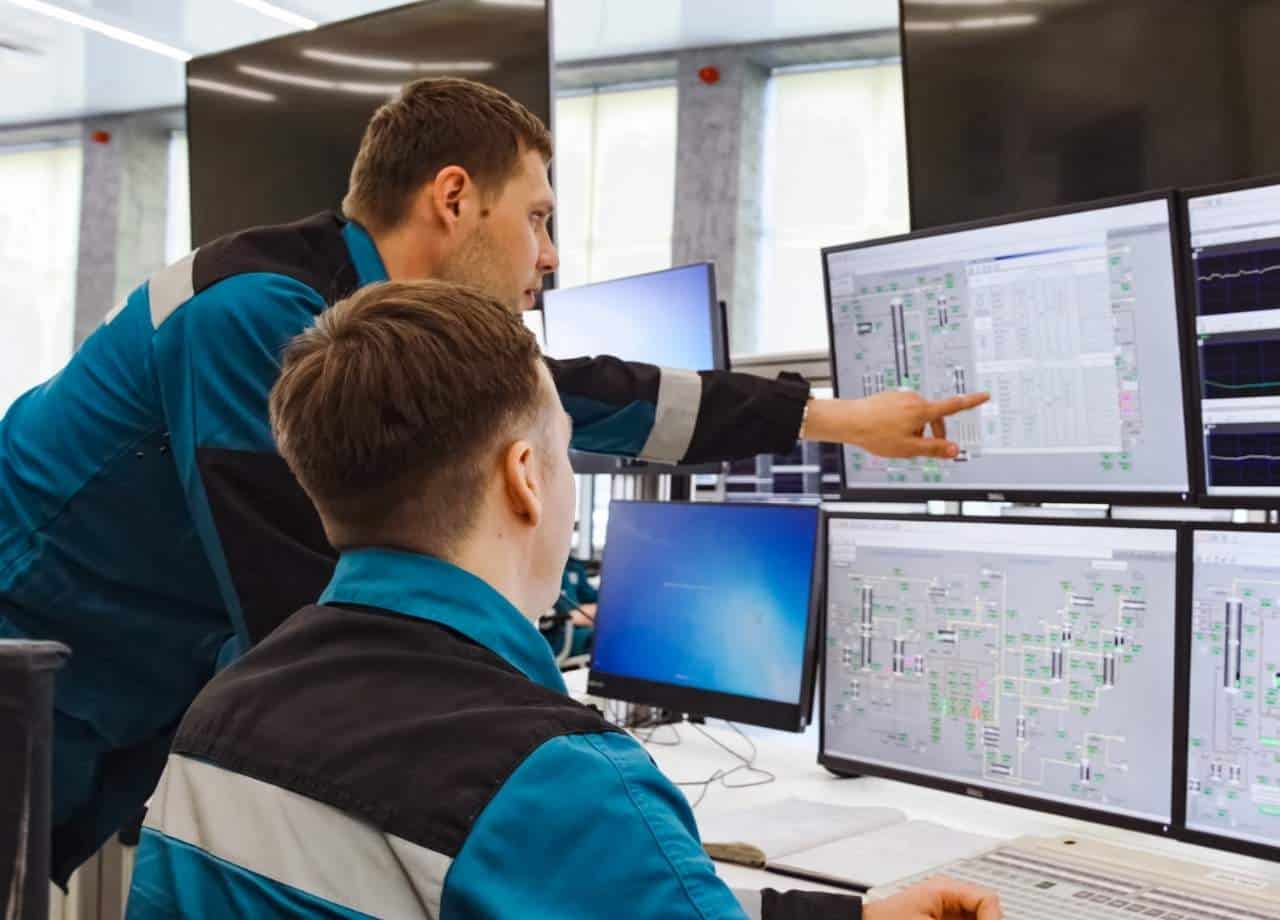
Clear workflows define these paths. Teams know when to dispatch staff and when to communicate digitally. Resources are used efficiently. Guests experience fewer disruptions.
For managers overseeing distributed portfolios, this distinction is critical. Monitoring provides the confidence to manage remotely without sacrificing control.
Implementing a Monitoring Strategy Step by Step
Technology alone does not create results. Implementation turns tools into outcomes. A thoughtful rollout ensures adoption and avoids unnecessary complexity.
Assessing Your Portfolio and Monitoring Needs
Every portfolio is different. High rise urban properties face different risks than single family rentals. The first step is understanding where monitoring delivers the most value. Noise. Water. Access. Climate. Each property profile suggests a different priority set.
Assessment also includes infrastructure readiness. Connectivity, power, and physical layout influence device selection. A clear assessment prevents over investment and under coverage.
Choosing the Right Hardware and Software Stack
The best stack balances reliability with simplicity. Devices should be durable and supported. Software should integrate cleanly with existing systems. Avoiding proprietary silos reduces long term risk.
Managers should prioritize vendors with proven experience in rental environments. Residential grade tools do not always translate well to professional operations. Scalability matters from day one.
Setting Thresholds Alerts and Response Protocols
Thresholds define what matters. Too sensitive and teams drown in alerts. Too loose and problems slip through. Initial settings should be conservative, then refined based on real data.
Response protocols clarify who acts and how. Consistency builds trust internally and externally. Guests receive predictable communication. Staff know their roles.
Staff Training and SOPs for Monitoring Tools
Training ensures monitoring supports teams rather than burdens them. Staff should understand what data means, how to respond, and when to escalate. Standard operating procedures document these steps clearly.
When teams trust the system and know how to use it, monitoring becomes part of the operational fabric. It stops feeling like technology and starts feeling like support.
Cost ROI and Business Value
Monitoring technology often gets evaluated as an expense line item. That framing misses the point. For most management firms, monitoring is a cost control system that quietly reshapes margins over time. Nearly forty seven percent of property managers now identify efficiency gains from technology as a top operational benefit, with some reporting ROI improvements as high as eight hundred percent, according to research shared by I4T Global. Those gains rarely come from a single dramatic moment. They accumulate through fewer incidents, faster responses, and steadier operations.
The real value of monitoring shows up when risk becomes predictable. Fewer emergencies mean fewer premium repairs. Fewer disputes mean less staff time spent managing fallout. Over a large portfolio, those small efficiencies add up quickly.
Upfront Costs Versus Ongoing Subscription Fees
Every monitoring strategy carries two types of cost. The first is hardware. Sensors, locks, and gateways require an initial investment. The second is software and service subscriptions that power analytics, alerts, and integrations. While the upfront cost is visible, subscriptions are where long term value is delivered.
Hardware is a one time decision that sets capability. Subscriptions determine how well those capabilities are used. Managers who evaluate costs in isolation often underestimate the savings generated over time. When monitoring replaces manual checks, reduces after hours call outs, and prevents damage, the ongoing fees are offset quietly month after month.
Quantifying Savings Damage Compliance Fines and Turnover Costs
Savings from monitoring are measurable when tracked correctly. Damage prevention reduces repair budgets. Early leak detection avoids full room remediation. Noise management prevents listing suspensions and fines in regulated markets.
There are also softer savings that matter just as much. Staff spend less time responding to avoidable issues. Owners experience fewer surprises. Guest turnover becomes smoother when properties remain in good condition. These factors stabilize operations and reduce churn, which has its own hidden costs.
ROI Case Metrics for Property Management Firms
Firms that measure ROI effectively focus on before and after comparisons. Incident frequency. Average repair cost. Response time. These metrics tell a clear story when monitoring is implemented thoughtfully.
Over time, patterns emerge. Certain properties show consistent risk signals. Others stabilize quickly. This data supports smarter capital planning and portfolio decisions. Monitoring does not just protect assets. It informs strategy.
KPIs and Metrics to Track for Performance
Monitoring systems generate data continuously. Without clear KPIs, that data becomes background noise. The most effective teams define a small set of metrics that align with operational goals and review them regularly.
Incident Rates Before and After Monitoring
Incident rate is the clearest indicator of impact. Tracking how often noise alerts, leaks, or access issues occur before and after deployment shows immediate value. Declines in frequency signal success. Spikes highlight areas that need adjustment.
This metric also supports communication with owners. Concrete reductions build confidence and justify continued investment.
Maintenance Cost Trends
Maintenance costs tell a longer story. Monitoring shifts spending from reactive to preventive. Over time, emergency repairs decline while planned maintenance increases slightly. The net effect is lower total spend and less disruption.

Tracking these trends monthly and annually reveals whether monitoring thresholds and protocols are tuned correctly.
Occupancy Stability and Guest Satisfaction Scores
Stable occupancy reflects consistent performance. When properties avoid disruptions and complaints, reviews improve and bookings remain steady. Monitoring contributes indirectly by keeping issues from escalating.
Guest satisfaction scores provide qualitative confirmation. Fewer complaints about noise, temperature, or maintenance correlate with effective monitoring even if guests never see the system itself.
Best Practices and Policy Frameworks
Technology works best when paired with clear policy. Monitoring raises questions about privacy, communication, and consistency. Addressing these proactively prevents friction later.
Privacy and Legal Considerations Guest Notice Data Handling
Monitoring systems should always be deployed with transparency. Guests should know what is monitored and what is not. Clear notices build trust and reduce misunderstandings.
Data handling policies matter just as much. Access should be limited. Retention should be defined. Monitoring data exists to manage risk, not to collect unnecessary information.
Setting Monitoring Policies for Different Property Types
Not all properties require the same approach. Urban apartments may prioritize noise and access. Vacation homes may focus on occupancy and environmental risks. Policies should reflect context.
Tailoring monitoring by property type ensures relevance and avoids overreach. It also improves adoption among staff who see that tools are used thoughtfully.
Communicating Monitoring to Guests Professionally
How monitoring is communicated shapes perception. Professional language emphasizes safety, comfort, and respect. Avoiding technical jargon keeps messages clear.
When guests understand that monitoring protects everyone involved, compliance improves naturally. The system feels supportive rather than restrictive.
Common Challenges and How to Overcome Them
No system is perfect at launch. Monitoring introduces new signals that teams must learn to interpret. Anticipating challenges makes adjustment smoother.
False Positives and Alert Fatigue
Early configurations often generate too many alerts. This leads to fatigue and reduced responsiveness. The solution lies in calibration. Thresholds should be refined based on real usage patterns.
Reviewing alerts weekly during early deployment helps teams distinguish noise from signal. Over time, systems become quieter and more precise.
Hardware Installation and Connectivity Issues
Installation challenges are common, especially in older buildings. Connectivity gaps and power limitations can disrupt performance. Planning and testing before full rollout reduces surprises.
Working with experienced installers and choosing hardware designed for rental environments mitigates many of these issues.
Balancing Monitoring with Guest Trust
Trust is maintained through clarity and restraint. Monitoring should never feel excessive. Limiting tools to what is necessary reinforces professionalism.
When guests see consistent, respectful enforcement, trust grows rather than erodes.
Future Trends in Rental Monitoring
Rental monitoring continues to evolve as technology matures and expectations rise. The next phase focuses on prediction rather than detection.
AI and Predictive Risk Detection
Artificial intelligence is beginning to identify patterns that precede incidents. Instead of reacting to alerts, systems will forecast risk based on historical data. This allows managers to intervene even earlier.
Predictive maintenance will become standard as systems learn how properties behave over time.
Smart Integrations with IoT and PMS Platforms
Deeper integrations will reduce manual oversight further. Monitoring data will flow seamlessly into property management systems. Decisions will be informed by a single source of truth.
As ecosystems mature, switching costs will decrease and flexibility will improve.
Regulatory Trends Affecting Monitoring Requirements
Regulation is moving toward accountability rather than restriction. Monitoring data can support compliance by demonstrating proactive management. This positions monitoring as a protective asset rather than a regulatory burden.
As standards evolve, managers who already use monitoring will adapt more easily.
Rental monitoring does not transform operations overnight. It changes how problems are noticed, how teams respond, and how risk is managed day after day. When implemented with intention, it becomes less about technology and more about control, clarity, and confidence across the entire portfolio.