Property managers know that the real work starts after an infestation is discovered. Getting rid of the pests is only half of the job. Making sure the problem does not return, keeping residents informed, and protecting the building from follow-up issues are the pieces that often get overlooked. When remediation is handled well, you restore confidence in the property and create a healthier environment for everyone. When it is rushed, patchy, or reactive, the same pests usually come back.
Below is a clear, practical guide written for busy managers who want to handle post-infestation cleanup the right way without going in circles or missing important steps.
Understanding What “Remediation” Actually Means
When we talk about remediation, we are talking about the work that happens after the pests are removed. Many people think the extermination visit is the finish line, but any seasoned manager knows that is not the case. Remediation covers cleanup, repairs, resident guidance, prevention steps, and documentation. It is the full process of returning a unit or building to a safe and normal condition. The goal is not just to make sure the pests are gone today. The goal is to make sure they stay gone.
This is also the stage where Pest Share tends to simplify things for property managers. Since residents can request service directly through their community’s program, infestations get identified faster, and remediation can start sooner. Quick response matters because the longer pests are present, the more cleanup and repair work you will face later.
Assessing the Unit After Treatment
A thorough inspection after the pest control visit is one of the most overlooked steps. You are not checking for pests at this point. You are checking for the mess and damage they left behind. Even a small infestation can create issues you do not want to leave unaddressed. For example, rodents often chew drywall or wiring, roaches leave behind droppings in hard-to-see areas, and bed bugs may leave stains or shed skins around baseboards or furniture. If these are not cleaned, residents may assume the pests are still active even when they are not.
This kind of follow-up assessment allows you to catch structural or hygiene risks early. It also gives you a chance to confirm the resident is following any preparation or cleanup steps your pest professional recommended. Since Pest Share’s model keeps communication simple, you can check the status of service requests or follow-up treatments quickly without sorting through multiple contractors or back-and-forth messages.
Why Unit Preparation and Cleanup Matter More Than Most People Realize?
A lot of property managers end up dealing with repeat infestations not because the pest control treatment failed but because the home was never set up for long-term success. Preparation and cleanup are often more important than the treatment itself. When a unit is cluttered or has food sources sitting out, any pests that survive can rebound fast.
Residents sometimes underestimate how much their daily habits affect pest pressure. This is where clear, simple communication helps. Most people will cooperate when they understand the “why” behind the instructions. Explaining that clutter gives pests places to hide or that crumbs behind appliances attract ants is usually enough to keep things on track.
This is another area where Pest Share creates value for managers. Because residents can access pest services without arguing about cost or responsibility, they are usually more engaged in preparation. They do not feel like they are being blamed or forced to pay out of pocket, which helps maintain cooperation.
Restoring Sanitation in the Treated Area
Sanitation after treatment is not just about appearances. It is part of the pest strategy. Pests rely on scent trails, food residue, and hidden moisture to navigate and survive. Once those attractants are removed, it becomes much harder for any surviving pests to regroup.
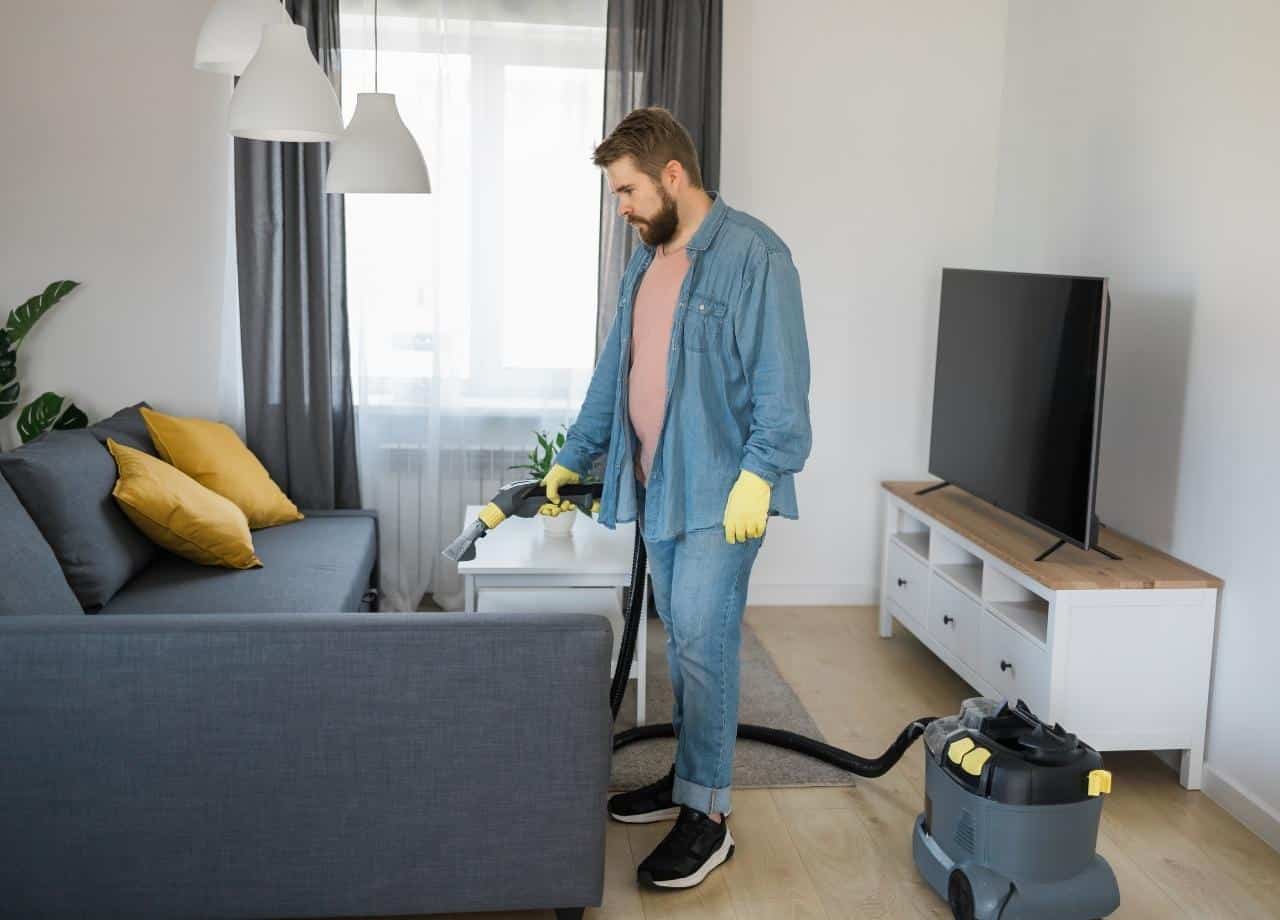
Good sanitation includes wiping surfaces, removing droppings, cleaning flooring, and checking areas behind kitchen appliances. Some managers choose to bring in a cleaning crew when the infestation has been heavy, especially in kitchens and bathrooms. In mild cases, residents can complete the cleanup themselves with clear guidance. The key is making sure the unit does not go back to the conditions that allowed the infestation to spread in the first place.
Making Repairs That Prevent Future Problems
Infestations leave behind more damage than most residents ever notice. Rodents may chew baseboards or insulation. Roaches can damage pantry items or create staining that needs repainting. Bed bugs may hide in cracks around windows, carpet edges, or outlets. Repairs that seem small can make a big impact. For example, sealing a gap under a door or repairing a torn screen can prevent months of headaches.
A smart approach is to create a simple checklist for recurring issues. Look for cracks, moisture sources, loose caulking, and gaps where utilities enter the wall. These are the areas where pests get in, thrive, or return. When you take the time to fix these issues after an infestation, you save yourself from repeating the cycle a few months later.
Communicating With Residents After Treatment
Residents want simple, direct, and honest communication. After remediation begins, they want to know three things. They want to know that the pests are gone or on track to be gone soon. They want to know what, if anything, they need to do next. They also want to feel that management responded quickly and responsibly.
Short, clear messages work best. Most residents do not want a long explanation of chemicals or treatment schedules. They want reassurance and next steps. You can summarize what the pest control technician found, what they treated, what follow-up may occur, and how to prevent the issue from returning. The tone matters. When residents feel supported instead of blamed, they are much more likely to keep up with cleanliness and preparation.
The Pest Share system naturally supports this type of communication because the process is streamlined. Service is requested quickly, treatment happens without delays, and managers get updates without chasing down outside vendors.
Handling Follow-Up Treatments Correctly
Follow-up treatments are normal and expected after certain kinds of infestations. Roaches, bed bugs, and ants often need more than one visit. This is not a sign of treatment failure. It is simply how these pests behave. Eggs may hatch after the first treatment or pests may be hiding in areas where the first round of product has not reached.

It is important to schedule the follow-up promptly. Waiting too long gives pests time to rebound. Make sure residents understand that multiple visits are part of the process, not an indication the issue was ignored. When you treat follow-ups as a planned step rather than a surprise, residents feel more secure and less frustrated. You also reduce the risk of complaints because expectations were set correctly.
Preventing the Infestation From Returning
Long-term prevention is easier when the building, the resident, and the pest control provider are working together. The building must be sealed and repaired. The resident must keep food stored properly, maintain basic cleanliness, and report issues quickly. The pest control provider must use a strategy that matches the type and severity of the infestation. When one part is missing, infestations have a way of returning.
Prevention becomes much smoother when residents do not hesitate to report a pest problem. This is where Pest Share truly helps. When residents know they can request help without an argument over cost, they tend to report faster. Faster reporting means smaller infestations, easier cleanup, and less remediation work for the property manager. That is the cycle you want in place.
Documenting the Process for Your Records
Good documentation protects the property, the management team, and the residents. Even though you may not need to share it often, having accurate records ensures you can track patterns over time. You can also identify which areas of the building are getting the most pressure and need preventative maintenance. Documentation does not need to be complicated. A simple list of treatment dates, technician notes, repairs completed, and instructions shared with the resident is usually enough.
If you use Pest Share, most service records stay accessible within the system. This makes it easier to spot units with recurring issues and address them before they turn into widespread problems.
Making Remediation Part of Your Normal Workflow
Infestations are stressful, but remediation does not need to be. When cleanup, repairs, communication, and follow-up are all part of your standard process, the workload is predictable and manageable. You spend less time reacting to problems and more time preventing them. Your residents feel supported and your building stays healthier.
The goal is not to eliminate every risk. The goal is to create a building where pests cannot easily thrive. With the right strategy and support, especially through a service model like Pest Share, remediation becomes a stable and repeatable process instead of a scramble.