Most people assume an apartment listing is just a place to rattle off specs, rent price, square footage, amenities. But the listings that actually convert aren’t just informative. They persuade. They pre-qualify. They set expectations. And most importantly, they sell the experience of living there.
The real job of a listing is to act like a silent leasing agent, one that works 24/7. A good one makes the property feel like a clear fit before a potential resident even books a tour. A bad one? It leads to dozens of unqualified inquiries and wasted time for everyone.
Why Top Listings Attract Quality Residents Faster
Not all listings perform equally. Some sit unnoticed for weeks. Others trigger a flurry of interest within hours. The difference usually comes down to clarity, appeal, and strategic positioning.
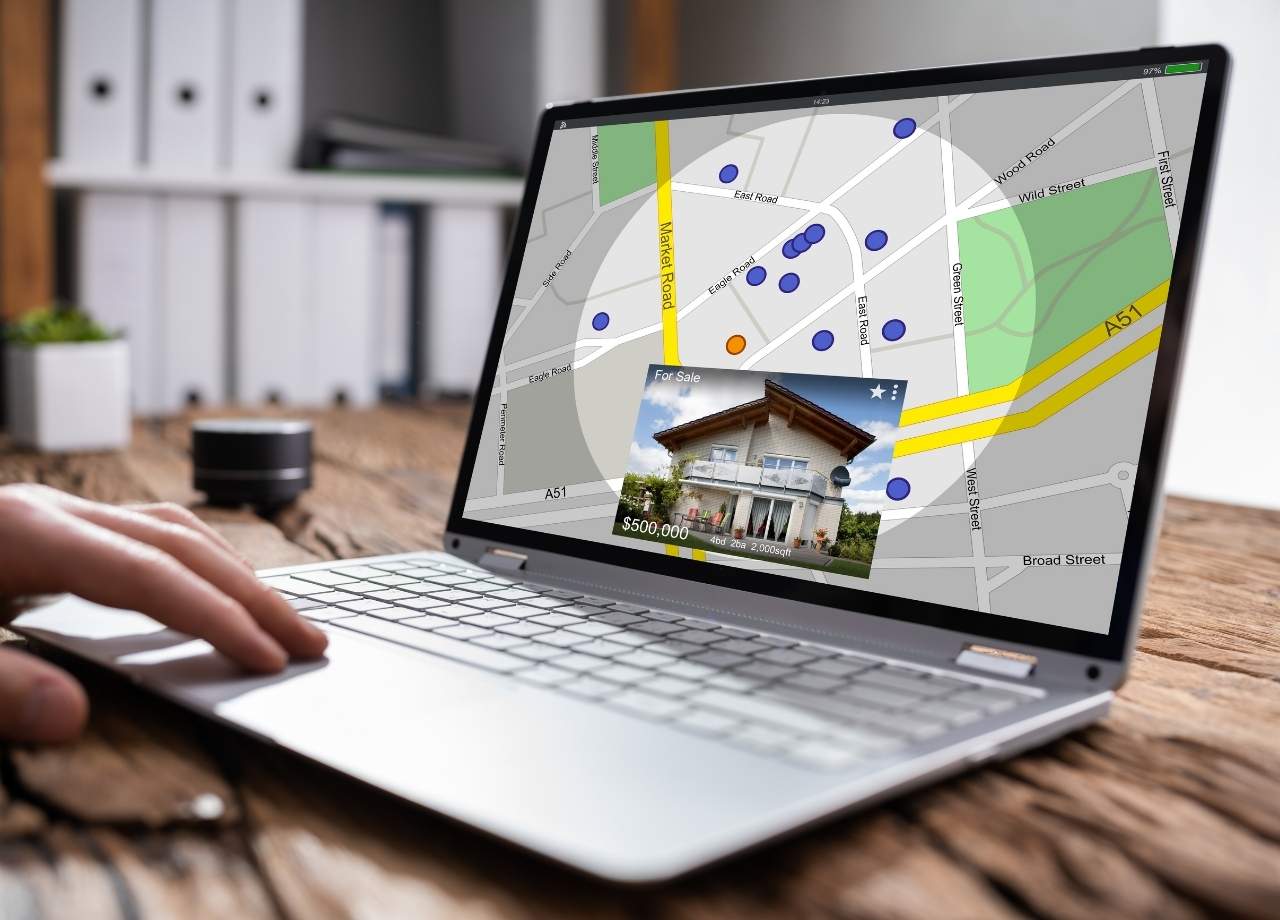
When your listing nails it, two things happen: your click-through rate (CTR) goes up, and the number of repetitive, time-wasting inquiries goes down. That’s not just guesswork—it’s backed by the numbers. According to this recent survey on renter behavior, 79% of renters check a property’s website, and 75% browse online listing services during their search. The listing is often the first impression—and sometimes, the only one that matters.
The Anatomy of an Effective Apartment Listing
Headline Essentials
A great headline is more than just a label. It’s your first shot at capturing attention in a crowded sea of listings. The ones that get clicks tend to be ultra-specific. They include the monthly rent, the number of beds and baths, and one or two standout features. For example:
$1,695 – 2BR/1BA with In-Unit Laundry & Balcony – Walk to Downtown
Compare that to something vague like “Lovely Apartment Available.” One sparks interest. The other gets lost in the scroll.
Common mistakes? Forgetting to include price. Using vague adjectives. Or worse—wasting space with phrases like “Must See!” (They rarely help.) Also, each platform has different headline character limits. On sites like Zillow and Apartments.com, aim to stay under 60 characters to avoid getting cut off.
Description Fundamentals
Every listing description should follow a simple, logical arc:
Start with an overview. What makes this unit stand out? Is it spacious, updated, or in a sought-after area?
Next, highlight features. Think flooring, appliances, lighting, and storage—things people picture themselves using.
Then, bring in the location. Proximity to schools, transit, parks, and grocery stores adds everyday value.
Finish with a call-to-action. Encourage readers to schedule a tour, apply online, or reach out with questions.
The tone matters too. You want to be clear and confident, not flowery or pushy. Avoid sounding like a brochure. Speak directly, using real language. Picture a knowledgeable friend walking someone through the space, not a marketer.
What to Include in Your Apartment Description (Core Details)
Property Specs
This is where you lay out the essentials. Always include:
- Monthly rent
- Deposit amount
- Lease terms (e.g., 12-month, month-to-month)
- Number of bedrooms and bathrooms
- Square footage
- Available floor plans (if there’s more than one)

But don’t just list these coldly. Help the reader understand the layout. Is the kitchen open to the living room? Do the bedrooms offer privacy on opposite sides of the unit? Details like these tell a better story.
Interior Features
Renters care deeply about the inside of their future home. And images alone aren’t enough. You need language that supports what they see.
Talk about the kitchen setup, the type of flooring, natural light, and standout appliances like an in-unit washer/dryer or central HVAC. Emphasize storage—closets, cabinets, built-ins. If there’s a great view or updated lighting, mention it.
Data backs this up: apartment listings with 20+ quality photos can increase conversions up to 9×. And 73% of renters say interior photos are one of the most important factors in deciding which listings to engage with. That means your description and visuals need to work together.
Building & Community Amenities
Shared amenities are often the tie-breaker between two similar listings. Make sure you’re covering what matters most: secure parking, gym access, package lockers, common areas, and outdoor space.
Don’t forget utility details and pet policies—these often get skipped but are deal-makers (or breakers) for many renters.
And don’t underestimate the power of virtual tools. Nearly 49% of renters find unit photos and videos the most helpful when searching, while 33% want the option to take a virtual tour before visiting in person. Mention if these tools are available.
Location & Neighborhood Highlights
This is where you bring lifestyle into the picture. Mention proximity to public transit, walkable spots like coffee shops or groceries, good schools, or parks. You don’t need to name-drop everything—just hit the highlights.
Safety, convenience, and local charm go a long way. The more you help a future resident imagine themselves in the neighborhood, the more likely they are to follow through.
Writing With Impact
Benefit-Driven vs. Feature-Driven Language
Most listings stop at features. They tell you the apartment has stainless steel appliances, hardwood floors, or a fitness center. That’s fine—but it’s only half the job. To really connect, you need to link those features to how they improve someone’s life.
Instead of just writing “stainless steel appliances,” write “modern stainless steel appliances that make cooking and cleanup easier.” Instead of “fitness center on-site,” try “no more rushing to the gym—work out just steps from your door.” The shift is subtle but powerful. You’re not just selling a unit; you’re showing how it fits a lifestyle.
Choosing Better Words (Copywriting Tips)
Every word earns its place—or it doesn’t belong. The best listing copy uses a blend of vivid, helpful language and clean, precise details. There’s a balance between painting a picture and getting to the point.
Descriptive words like “sun-drenched” or “spacious” can work—but only if they’re supported by facts. Use them sparingly. Avoid tired phrases like “charming,” “cozy,” or “must-see.” These are overused and say little.
When in doubt, favor concrete over fluffy. “Large windows that face east for morning sun” is better than “bright and airy.” Specificity earns trust.
Storytelling Techniques
A little storytelling goes a long way. Even a short sentence can help renters visualize the space in a way specs can’t. For example:
“Enjoy your morning coffee on a private balcony overlooking tree-lined streets.”
That one line creates a moment. It helps the reader imagine not just living there, but feeling at home.
Use sensory cues—sunlight, sounds, textures—without overdoing it. One or two well-placed snippets are more impactful than a wall of poetic language.
Formatting for Readability
Even the best copy falls flat if it’s hard to read. Most renters skim listings, especially on mobile. Your job is to make that easy.
Use short paragraphs—two to three lines max. Bold key info like price, availability date, or must-have features. Include bullets for long lists of amenities, but keep the intro and closing in full sentences.
Clear formatting doesn’t just help with readability—it lifts conversion. It guides the eye and keeps readers engaged longer, which often leads to more inquiries.
Photos, Tours & Rich Media Enhancements
Photography Best Practices
Images aren’t just decoration—they’re the core of your listing’s appeal. High-quality photos increase trust, set expectations, and get more clicks. At minimum, you need clear, well-lit shots of:
- Each room (from multiple angles)
- Kitchen and bathrooms
- Closets and storage
- Balcony or patio
- Entryways and common areas
- Building exterior
Skip anything blurry, dark, or distorted. Natural light always wins, and wide-angle shots help show the true scale of a room.
If you’re working with a professional, make sure they know how to shoot residential interiors. If you’re DIYing, take the time to clean and stage the space. It’s worth it.
Floor Plans, Virtual & 3D Tours
More and more renters want a full experience before stepping foot in the unit. That’s where digital tools shine. Listings that include floor plans, virtual walk-throughs, or 3D tours consistently perform better.
According to this analysis of virtual listing tools, listings with 3D tours can get up to 20% more inquiries. And as Apartments.com reports, 41% of renters say they’re likely to lease sight-unseen if the virtual materials are strong enough.
This is especially important if your property attracts long-distance or out-of-state residents. Include a virtual tour link in the listing. Label it clearly. And if you have an interactive floor plan, even better.
Photos and tours don’t just show off the space—they show that you’re a professional property manager who takes the experience seriously. That confidence rubs off.
SEO & Platform Optimization
Keyword Strategy for Search Visibility
If no one sees your listing, it doesn’t matter how well it’s written. That’s where keywords come in.
Think like your audience. What would a renter type into Google or an apartment search bar? Usually it’s something like:
- “2 bedroom apartment near downtown”
- “pet-friendly rental with parking”
- “apartment with in-unit laundry in [City Name]”
Include these types of phrases naturally in your title and early in your description. Don’t force them. Just match the way real people search.
Also, make sure to include key features renters filter for—things like “washer and dryer,” “central air,” “assigned parking,” or “walk-in closet.” These aren’t just helpful details. They’re search magnets.
Platform-Specific Tips
Not all platforms are built the same. What works well on Craigslist may fall flat on Zillow or Apartments.com. Tailor your listing to the platform’s strengths.
On Craigslist, clean formatting and strong headlines are crucial since the interface is bare-bones. Break up the description and avoid dense text blocks.
On Apartments.com and Zillow, visuals matter more. These platforms favor high-res photos and 3D tours. Their search algorithms also reward listings with detailed, keyword-rich descriptions.
Some platforms auto-trim text after a certain character count—keep key info up top. And always preview how your listing appears on mobile, since that’s how most renters browse.
Compliance & Fair Housing Considerations
What You Must Not Include
Even the best listing isn’t worth much if it opens you up to liability. This is where attention to fair housing compliance becomes non-negotiable.
Certain words or phrases—whether intentional or not—can suggest a preference or restriction that violates Fair Housing laws. For example, avoid any language that implies a preferred race, religion, gender, family status, or disability. Even something as simple as “ideal for a single professional” can raise red flags.
Steer clear of phrases like:
- “No kids”
- “Perfect for couples only”
- “Christian community”
- “Walking distance to church”
They might seem innocent, but they suggest exclusion. If you’re ever unsure, pause and reword. When in doubt, describe the property, not the person you think should live there.
Inclusive Description Practices
The best listings appeal to a wide range of renters. This isn’t just about compliance—it’s also good business. Inclusive language expands your pool of qualified applicants and creates a more welcoming impression.
Stick to describing features, benefits, and location. Use language like:
- “Spacious 2-bedroom with flexible layout”
- “Quiet top-floor unit with natural light”
- “Elevator building with wide hallways and step-free access”
These are clear, helpful, and inclusive without assuming who the future resident will be. You’re showing the apartment’s strengths and letting the renter decide if it fits their needs.
Ready-to-Use Templates & Formulas
Title Templates
Headline writing doesn’t need to be complicated. Here are some plug-and-play structures that balance clarity with appeal:
[Price] – [Beds/Baths] with [Key Feature] in [Neighborhood]
Example: $1,950 – 2BR/2BA with Washer/Dryer in Uptown
[Size] [Unit Type] with [Amenity] – Walk to [Landmark/Transit]
Example: Large Studio with Balcony – Walk to Light Rail
Modern [Beds/Baths] – [Amenity 1], [Amenity 2], [Amenity 3]
Example: Modern 1BR – Gym, Garage, Pet-Friendly
These work because they immediately answer the three questions renters are asking: price, size, and why they should care.
Description Blueprints
Here’s a reliable format you can apply to most listings, both short and long:
Opening (Feature → Benefit):
Start with 1–2 sentences that highlight the top features and why they matter.
“This updated 2-bedroom apartment offers an open floor plan, in-unit laundry, and a private balcony—perfect for quiet evenings or morning coffee.”
Middle (Specs + Details):
Get into the square footage, layout, appliances, lighting, flooring, storage, and so on. Add detail without dragging.
Location Snapshot:
Call out nearby attractions, commute options, and daily conveniences.
“Just 5 minutes from downtown with quick access to I-95, shops, and dining.”
Closing CTA:
Always finish with clear next steps.
“Ready to take a look? Schedule a tour today or apply online—this one won’t last long.”
Common Mistakes & How to Fix Them
Over-describing vs. Under-describing
Too much fluff and renters tune out. Too little detail and they won’t bother reaching out. The fix? Be selective. Focus on the most important features and present them clearly.
Avoid turning your listing into a storybook—or a spreadsheet. Instead, aim for 250 to 400 words of lean, useful copy that flows.
Missing Key Info That Costs Leads
It’s surprising how often listings forget to mention critical details. Don’t skip:
- Monthly rent
- Square footage
- Pet policy
- Parking availability
- Lease length
- Deposit or fees
When these are missing, most renters assume the worst—and scroll on.
Words That Hurt Conversion
Some phrases do more harm than good. Avoid:
- “As-is” — implies problems
- “Won’t last!” — reads like a gimmick
- “Cozy” — often code for cramped
- “TLC needed” — makes people nervous
Instead, speak plainly and positively. If the space is smaller, say “efficient layout” or “ideal for minimalist living.” If it’s dated, highlight the strengths—“vintage charm with original hardwoods.”
Final Checklist Before You Publish
Before your listing goes live, run through this quick checklist to make sure it’s doing its job:
STRUCTURE & CONTENT
- Clear, specific headline with key details
- Description follows Overview → Features → Location → CTA structure
- Rent, deposit, lease terms, and pet policy clearly stated
- Features described with both detail and benefit
- No redundant or vague adjectives
MEDIA
- 20+ high-quality, well-lit images
- Clear floor plan included (if available)
- Virtual or 3D tour link added
COMPLIANCE
- No discriminatory or exclusive language
- Fair Housing rules followed throughout
SEO & FORMATTING
- Mobile-friendly formatting (short paragraphs, clear headers)
- Relevant keywords used naturally
- CTA at the end of the listing
When all of this is in place, your listing becomes more than just a set of facts. It becomes a marketing asset that attracts the right residents—faster, easier, and with fewer questions.