Most rental property investors can tell you their monthly rent roll within seconds. Far fewer can confidently explain their net worth tied to those same properties. That gap is not minor. It is often the difference between operating reactively and building wealth deliberately.
A rental property balance sheet is not just an accounting document. It is a financial snapshot. It shows what you own, what you owe, and what is truly yours at a specific moment in time. When structured correctly, it becomes a decision tool. When ignored, it leaves even experienced investors guessing.
Definition and Purpose
A rental property balance sheet is a financial statement that lists assets, liabilities, and equity for one property or an entire portfolio at a specific date. It answers one simple question. What is my financial position right now?
Unlike performance reports that track income over a period of time, the balance sheet freezes the picture. It captures the current value of buildings, cash reserves, outstanding loans, and accumulated equity. Think of it as a still photograph rather than a movie.
Its purpose extends beyond compliance or bookkeeping. It provides structure. It forces investors to track mortgage principal accurately. It connects depreciation schedules to actual property value. It reveals leverage levels in plain terms. When lenders, partners, or advisors ask for financials, this is the document that demonstrates stability.
A well built rental property balance sheet template standardizes that clarity. It ensures nothing important is overlooked. And over time, it becomes one of the most powerful strategic documents in an investor’s toolkit.
What It Shows vs. What It Doesn’t
Confusion often begins when investors blur the line between a balance sheet and an income statement. They are related, but they answer different questions.
A balance sheet shows financial position at a specific moment. It lists assets such as property value and cash, liabilities such as mortgage balances and unpaid expenses, and the resulting equity. It does not show monthly rental income or operating expenses for the year. Those belong on an income statement.
An income statement measures performance over time. It tells you whether a property generated profit. A balance sheet tells you whether the underlying asset base is strong. One shows motion. The other shows structure.
This distinction matters. A property can produce positive cash flow while sitting on excessive leverage. It can also generate modest income while building significant equity. Without a clear balance sheet, those nuances disappear. Investors risk making decisions based only on income, overlooking balance sheet strength that often drives long term wealth.
Why Rental Property Investors Need It
The importance of a rental property balance sheet grows with scale. According to a 2024 investor survey, 81 percent of real estate investors plan to expand their portfolios within the next two years. Growth amplifies both opportunity and risk. Without clear financial visibility, expansion becomes guesswork.
Lenders evaluate more than rent rolls. They assess debt ratios, liquidity, and equity position. A structured rental property balance sheet template allows investors to present this information quickly and accurately. It signals professionalism. It reduces friction during underwriting.
Tax planning is another reason. Depreciation, capital improvements, and principal paydown all affect the financial position of a property. While tax returns report income, the balance sheet tracks how assets and liabilities evolve. That context supports smarter conversations with accountants.
Portfolio decisions also depend on it. Should you refinance. Should you sell one property to fund another. Should you inject additional capital. Those answers require clarity on equity levels and leverage ratios. The balance sheet delivers that clarity without emotion or guesswork.
The Accounting Equation (Assets = Liabilities + Equity)
Every rental property balance sheet rests on one equation. Assets equal liabilities plus equity. It is simple on paper. In practice, it governs every financial move an investor makes.
This formula is not abstract theory. It reflects economic reality. Everything you own must be financed either by debt or by your own capital. There is no third category. Understanding this structure changes how you interpret financial decisions.
Understanding the Core Formula
Assets include property value, cash reserves, security deposits held, and any receivables. These represent economic resources under your control. They are what you own.
Liabilities represent obligations. Mortgage balances, lines of credit, unpaid vendor invoices, property taxes due. These are claims against your assets.
Equity is the residual. It is what remains after subtracting liabilities from assets. If a property is worth one million dollars and the outstanding mortgage is six hundred thousand, equity stands at four hundred thousand. That equity reflects both initial investment and accumulated principal paydown.
When you use a rental property balance sheet template, the accounting equation forces alignment. If numbers do not balance, something is missing. The structure itself becomes a built in error check.
Why It Always Balances in a Rental Property Context
The reason the equation always balances is straightforward. Every transaction affects at least two components.
If you secure a new mortgage, assets increase because cash or property value is recorded. Liabilities increase by the same amount because you now owe that debt. The equation remains intact.
When you make a mortgage payment, the interest portion affects the income statement. The principal portion reduces liabilities. As liabilities decrease, equity increases. Nothing disappears. It simply shifts between categories.
Depreciation offers another example. As accumulated depreciation increases, the book value of the asset decreases. Equity adjusts accordingly. The balance sheet reflects this reduction in carrying value even if market value remains strong.
In rental property investing, these movements happen constantly. Principal paydown builds equity slowly and steadily. Capital improvements increase asset value and may alter depreciation schedules. Each adjustment flows through the equation. That is why understanding the mechanics behind the rental property balance sheet template is so important. It transforms financial statements from static reports into dynamic strategy tools.
Balance Sheet Components Explained
A rental property balance sheet may look straightforward at first glance. Three main sections. Assets. Liabilities. Equity. Yet within each section lies nuance that determines whether the document provides surface level data or deep financial insight.
Assets
Assets represent everything the investor owns within the rental operation. They form the foundation of the balance sheet and require careful classification.

Current Assets
Current assets are resources expected to be used or converted to cash within one year. Cash held in operating accounts sits at the top. Security deposits held for residents are typically recorded here as well, though they are offset by a corresponding liability. Accounts receivable, such as unpaid rent, may also qualify.
Liquidity matters. Investors expanding their portfolios must demonstrate sufficient current assets to handle repairs, vacancies, and debt obligations. A rental property balance sheet template should clearly separate these liquid resources from long term holdings. This separation highlights financial flexibility.
Fixed or Long Term Assets
Fixed assets include the property itself, land, and major capital improvements. These are long term holdings intended to generate income over many years. They are recorded at purchase price plus capital improvements, not necessarily current market value.
It is important to differentiate land from building value because land is not depreciated. Improvements such as roof replacements or structural upgrades increase the asset’s basis. Failing to track these properly can distort both book value and tax reporting.
For serious investors, this section often represents the largest share of total assets. Its accuracy directly affects equity calculations and leverage ratios.
Accumulated Depreciation and Its Tax Impact
Accumulated depreciation reduces the book value of the property over time. It reflects the gradual wear and tear of the building for accounting purposes. While it lowers taxable income, it also reduces the asset’s carrying value on the balance sheet.
This distinction between book value and market value is critical. A property may appreciate in the open market while its book value declines due to depreciation. Investors relying solely on market estimates risk overlooking how depreciation affects reported equity.
Capital improvements reset certain depreciation schedules and increase basis. Without tying depreciation records to the rental property balance sheet template, financial statements become disconnected from tax strategy. Precision here protects both compliance and clarity.
Liabilities
Liabilities capture the obligations attached to the rental operation. Separating short term and long term liabilities reveals risk exposure and repayment timelines.
Current Liabilities
Current liabilities include obligations due within one year. Accounts payable to vendors, property taxes owed, accrued utilities, and the current portion of long term debt all belong here.
These numbers reveal near term cash demands. A property with strong long term equity but heavy short term obligations may face liquidity stress. Investors reviewing their balance sheets quarterly often catch these imbalances early.
Security deposits held for residents also appear as liabilities because they are funds owed back under certain conditions. Recording them accurately prevents overstating equity.
Long Term Liabilities
Long term liabilities primarily consist of mortgage principal balances and home equity lines of credit. These debts extend beyond one year and typically finance property acquisition or improvement.
Tracking principal separately from interest is essential. Only principal reduces the liability balance on the balance sheet. Over time, consistent principal reduction builds equity even if property values remain flat.
Lenders pay close attention to this section. High leverage can magnify returns, but it also increases risk. A well maintained rental property balance sheet template makes that leverage transparent.
Equity
Equity represents the investor’s ownership stake after liabilities are subtracted from assets. It is both a result and a driver of financial decisions.
Owner’s Equity
Owner’s equity begins with the initial capital invested into the property. Down payments, closing costs paid out of pocket, and direct capital contributions increase this figure.
As property value grows or liabilities decrease, equity expands. If property value declines or additional debt is added, equity can shrink. Monitoring this movement provides insight into overall portfolio health.
Equity is often the metric investors care about most. It reflects accumulated wealth within the portfolio.
Retained Earnings and Principal Contributions
Retained earnings represent profits left in the business rather than withdrawn. Over time, reinvested profits increase equity. They strengthen the balance sheet without additional borrowing.
Principal contributions and distributions must be recorded carefully. Injecting capital raises equity. Withdrawing funds reduces it. Without accurate tracking, equity calculations become distorted.
In a disciplined rental operation, equity growth becomes intentional. It is not left to chance. A structured rental property balance sheet template ensures each contribution, repayment, and reinvested dollar is accounted for properly.
Clarity compounds. And in rental property investing, that clarity often separates measured expansion from avoidable risk.
How to Build Your Rental Property Balance Sheet
A balance sheet only becomes useful when it is built correctly. Many investors delay creating one because they assume it requires complex accounting knowledge. In reality, it requires discipline more than brilliance. The structure is straightforward. The challenge lies in gathering complete and accurate information.
A rental property balance sheet template provides the structure. Your job is to feed it reliable data. When done carefully, the process brings clarity that most spreadsheets filled with scattered numbers never achieve.
Step by Step Process
The first step is selecting a reporting date. A balance sheet reflects a single moment in time, so consistency matters. Many investors choose the last day of the month or the last day of the quarter. Pick a date and use it consistently moving forward.
Next, list all assets. Begin with cash balances in operating accounts. Add security deposits held. Then record the property at its purchase price plus documented capital improvements. Include accumulated depreciation separately so the net book value is transparent.
After assets, document liabilities. Pull current mortgage balances directly from lender statements. Separate the current portion of long term debt from the remaining principal. Add unpaid bills, taxes due, and any other short term obligations.
Finally, calculate equity. Subtract total liabilities from total assets. If your rental property balance sheet template is structured properly, the numbers will align automatically. If they do not, that signals missing or misclassified entries. The equation enforces discipline.
Gathering Required Data
Accurate reporting depends on accurate inputs. That means gathering source documents, not relying on memory.
Start with property deeds and closing statements. These confirm purchase price and initial basis. If improvements were made after purchase, collect invoices and receipts that clearly document capital expenditures. Cosmetic repairs are expenses. Structural upgrades are capital improvements. The distinction affects both asset value and depreciation.
Next, pull lender statements. Outstanding principal balances must match exactly. Do not estimate. Even small discrepancies compound over time and distort leverage ratios.
Bank account statements are equally important. Cash balances should match the reporting date precisely. If a rent payment cleared the next day, it does not belong on the current period balance sheet.
Depreciation schedules from your accountant complete the picture. Accumulated depreciation must reflect year to date adjustments. Without it, book value is overstated and equity appears inflated.
When investors take the time to prepare this data before opening their rental property balance sheet template, the process becomes mechanical rather than confusing. Preparation eliminates second guessing.
Setting Up a Spreadsheet vs Using Software
At the beginning, a well structured spreadsheet is often enough. Excel allows full customization. Formulas can be built once and reused each period. For investors managing one or two properties, this approach provides flexibility without unnecessary cost.
Google Sheets adds collaboration and cloud access. It allows accountants, partners, or advisors to review numbers in real time. Built in formulas ensure totals update automatically as new data is entered. A properly designed rental property balance sheet template in Google Sheets can be both simple and powerful.

As portfolios grow, accounting software becomes attractive. Dedicated property management platforms integrate rent collection, expense tracking, and reporting. Instead of entering data twice, transactions flow directly into financial statements. This reduces manual error and saves time.
The decision depends on scale and complexity. A spreadsheet offers control. Software offers automation. What matters most is consistency. An imperfect template updated regularly is more valuable than sophisticated software used sporadically.
Free Customizable Templates
Templates bridge the gap between theory and execution. They remove structural guesswork and allow investors to focus on accuracy rather than formatting.
A strong rental property balance sheet template includes clearly labeled sections for current assets, long term assets, current liabilities, long term liabilities, and equity. It also contains built in formulas that ensure the accounting equation balances automatically. The design should be clean and logical. Clutter creates mistakes.
Google Sheets (create a copy)
Advanced Topics (Gaps Most Competitors Miss)
Once the structure is in place, the real sophistication begins. Many investors stop at recording historical cost and mortgage balances. That works for bookkeeping. It does not always work for strategy.
A rental property balance sheet template becomes far more powerful when it is used as an analytical tool rather than a compliance document. This is where experienced investors separate themselves from casual operators.
Market Value vs Book or Basis Value and When to Use Each
Book value reflects historical cost minus accumulated depreciation. It is objective. It is traceable. It aligns with tax reporting. For accounting purposes, it creates consistency.
Market value tells a different story. It estimates what the property could sell for today based on comparable sales and demand conditions. In recent surveys, more than ninety percent of real estate companies reported using fair value models when measuring investment portfolios. That shift reflects how critical current valuation has become for strategic decision making.
At the same time, investor activity continues to rise. Roughly thirty percent of single family home purchases in the first half of 2025 were made by investors, the highest share in decades. When competition increases, understanding real time market positioning becomes essential.
So which value belongs on your rental property balance sheet template. For formal accounting and tax purposes, book value remains the standard. For internal strategy, lenders, and portfolio expansion decisions, maintaining a supplemental schedule reflecting estimated market value can provide a clearer picture of equity strength.
The key is separation. Do not blur book value and market value on the same line item. Keep them distinct. That discipline preserves credibility.
Impact of Capital Improvements on the Balance Sheet
Capital improvements change more than aesthetics. They change financial structure.
Replacing a roof, adding square footage, upgrading electrical systems. These are not routine repairs. They increase the property’s basis and extend useful life. On the rental property balance sheet template, they are added to fixed assets rather than expensed immediately.
This adjustment increases total assets. Over time, the improvement is depreciated according to applicable schedules. That depreciation reduces book value gradually while providing tax benefits along the way.
From an investment standpoint, improvements also affect net operating income and cap rate. A renovation that increases rent may improve income metrics, but the balance sheet reflects whether the capital invested strengthened overall equity or increased leverage.
Income metrics alone can mislead. A property with rising rent but heavy debt and minimal liquidity may look strong on paper while carrying hidden risk. The balance sheet provides the structural context that cap rate alone cannot.
Seasonal or Quarterly vs Annual Reporting
Many small investors review financials once a year at tax time. That rhythm works for compliance. It does not support active management.
Quarterly updates strike a balance between discipline and practicality. They allow investors to track principal reduction, monitor liquidity, and adjust strategy before small imbalances grow into larger problems.

In seasonal markets, mid year updates are especially valuable. Vacancy patterns, maintenance cycles, and tax payments often cluster around certain months. A rental property balance sheet template updated only annually can mask short term stress that affects borrowing capacity or reinvestment decisions.
For larger portfolios, monthly updates are not excessive. Automation makes it manageable. Regular reporting builds familiarity. When numbers are reviewed consistently, anomalies stand out immediately.
Integrating With Cash Flow and Rent Roll Reports
A balance sheet does not operate in isolation. It complements other financial reports.
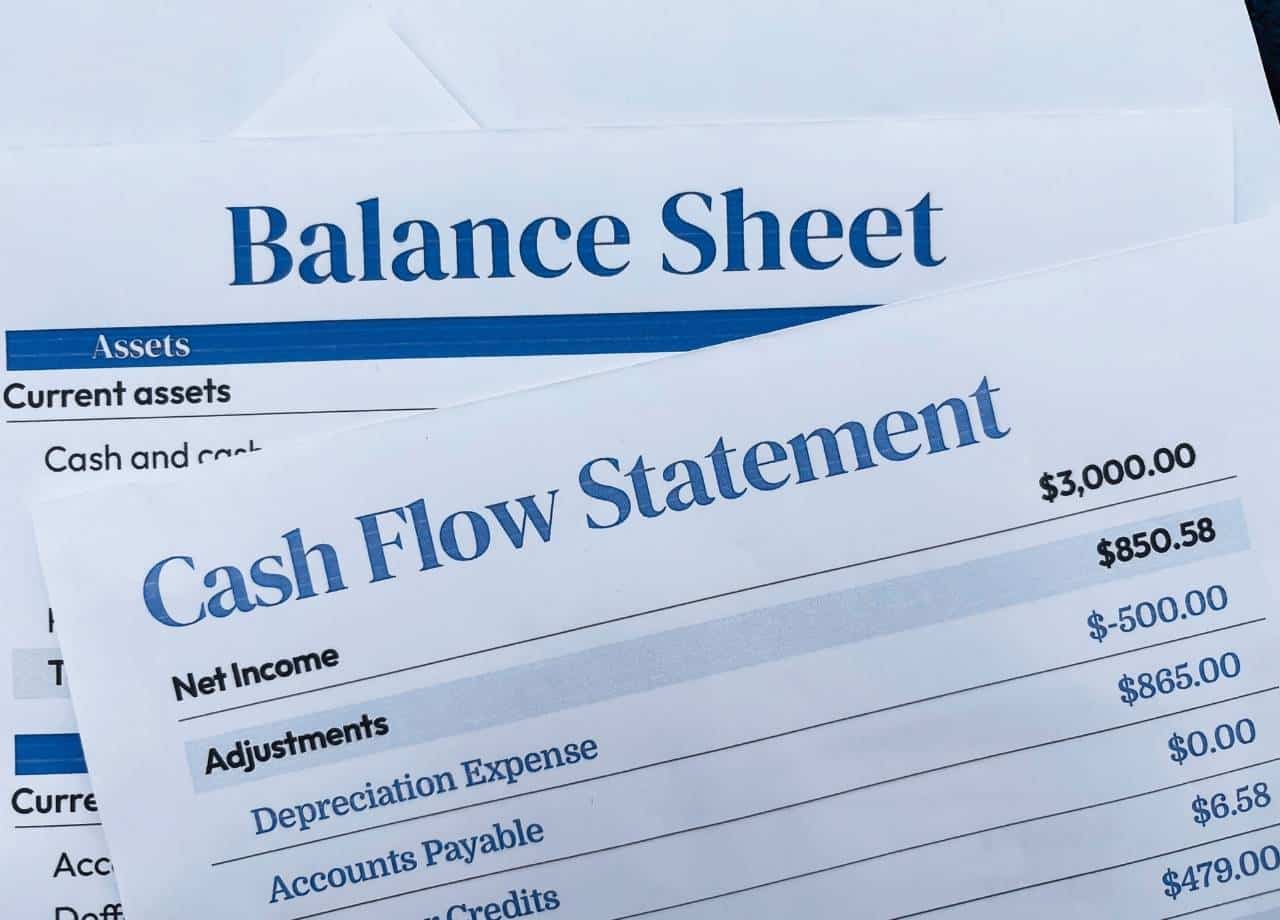
The rent roll shows contracted income at a specific moment. It reflects occupancy and lease terms. The income statement tracks revenue and expenses over time. The cash flow statement explains how money moved during a period.
The rental property balance sheet template anchors these reports by revealing cumulative position. For example, retained earnings on the balance sheet connect directly to profits reported on the income statement. Ending cash balances reconcile with the cash flow report.
When these documents align, financial management becomes cohesive. If rent roll indicates full occupancy but cash reserves remain thin, the balance sheet raises questions. If income is strong yet liabilities are increasing, the structural risk becomes visible.
Integration reduces blind spots. It transforms isolated reports into a complete financial narrative.
Common Mistakes and How to Avoid Them
Even experienced investors make errors when maintaining a balance sheet. Most mistakes stem from small oversights that compound over time.
Security Deposits Mistakes
Security deposits create confusion because they appear as both an asset and a liability. The cash held increases current assets. At the same time, it represents money owed back under certain conditions, which creates a liability.
Some investors record the deposit as income. That is incorrect. It inflates profit and overstates equity. On a proper rental property balance sheet template, the deposit increases cash but is offset by a matching liability entry.
Regular reconciliation prevents problems. The total liability for security deposits should always match actual funds held. If it does not, adjustments are required immediately.
Incorrect Depreciation Entries
Depreciation errors often go unnoticed for years. Investors may forget to update accumulated depreciation annually. Others may misclassify capital improvements as repairs, reducing asset basis inaccurately.
Because accumulated depreciation reduces book value, mistakes distort equity calculations. Overstated assets can create a false sense of financial strength.
Working closely with a qualified accountant and updating depreciation schedules consistently ensures the rental property balance sheet template reflects accurate carrying value. Precision here protects both reporting integrity and tax compliance.
Failing to Update Liabilities Accurately
Mortgage balances change monthly as principal payments are made. Yet some investors rely on outdated numbers for quarters at a time.
Using original loan amounts instead of current principal skews leverage ratios and equity estimates. It may also misrepresent borrowing capacity when approaching lenders.
The solution is simple. Pull updated lender statements each reporting period. Confirm principal balances directly from official records. A balance sheet is only as reliable as the data feeding it.
Best Practices and Reporting Tips
Strong reporting habits turn a static template into a strategic asset.
How Often to Update Your Balance Sheet
For most active investors, quarterly updates provide meaningful oversight without excessive administrative burden. Monthly updates are ideal for portfolios with multiple properties or external investors.
The key is consistency. Choose a cadence and maintain it. Over time, patterns emerge. Trends in equity growth, leverage reduction, and liquidity become clear.
Irregular updates create gaps in visibility. Regular updates create control.
Benchmarks and Ratios to Watch
The balance sheet supports several critical ratios. Loan to value compares outstanding debt to asset value. Debt to equity measures leverage. Current ratio evaluates liquidity by comparing current assets to current liabilities.
These metrics provide context beyond raw numbers. A portfolio with high equity but low liquidity may struggle during unexpected repairs. A property with strong cash flow but excessive leverage carries refinancing risk.
Using a rental property balance sheet template to calculate these ratios periodically adds analytical depth. It shifts focus from passive tracking to active management.
Presenting to Lenders and Investors
When approaching lenders or potential partners, presentation matters. A clean, well organized balance sheet signals discipline and professionalism.
Separate current and long term liabilities clearly. Ensure totals reconcile. Provide supporting schedules if market value estimates are included. Transparency builds confidence.

Investors and lenders look for clarity, not complexity. A structured rental property balance sheet template demonstrates that the portfolio is managed thoughtfully rather than casually.
Tools and Software Options
As portfolios expand, systems matter more.
Standalone Templates vs Accounting Platforms
Standalone templates offer flexibility and full control. They are ideal for smaller portfolios or investors who prefer direct oversight.
Accounting platforms integrate transaction tracking, reporting, and sometimes rent collection. They reduce manual entry and improve consistency. The trade off is reduced customization.
The right choice depends on scale and operational style. What matters is that the rental property balance sheet template remains accurate and regularly updated regardless of platform.
QuickBooks, Buildium, and AppFolio Integrations
Many investors use accounting software such as QuickBooks alongside property management platforms like Buildium or AppFolio. Integration between systems allows transactions to flow automatically into financial reports.
When configured correctly, these systems generate balance sheets with minimal manual adjustment. However, automation does not replace review. Investors must still verify classifications and reconcile balances.
Software accelerates reporting. Oversight preserves accuracy.
Automated vs Manual Processes
Automation reduces repetitive work. Bank feeds, loan integrations, and scheduled reports streamline operations. For larger portfolios, this efficiency becomes essential.
Manual processes offer deeper familiarity with numbers. Entering data by hand can reinforce understanding of cash movement and liability reduction.
There is no universal rule. Many seasoned investors use automation for transaction capture and manual review for strategic analysis. The rental property balance sheet template serves as the final checkpoint where everything converges.
Frequently Asked Questions
Even with structure and systems, certain questions surface repeatedly.
Do I Include Rental Income on Balance Sheets
Rental income does not appear directly on the balance sheet. Income is reported on the income statement over a period of time.
However, retained earnings from profitable operations increase equity. Cash generated from rent that remains in the business increases assets. So while rental income itself is not listed as a line item, its impact flows through to the balance sheet.
Understanding this distinction prevents misclassification and keeps reporting clean.
Can I Combine Multiple Properties
Yes, multiple properties can be consolidated into a single portfolio level balance sheet. Each property should still have its own detailed schedule, but totals can be aggregated for overall reporting.
A consolidated rental property balance sheet template provides a clear view of total assets, total liabilities, and total equity across the portfolio. This is especially useful when evaluating expansion opportunities or refinancing strategies.
Clarity at both the property level and portfolio level strengthens decision making.
When to Re Value Property on the Sheet
For accounting consistency, properties are typically carried at historical cost less accumulated depreciation. Revaluation is not routine in traditional bookkeeping.
Internally, investors may track estimated market value separately to assess real time equity. These updates often align with major market shifts, refinancing events, or acquisition planning.
The important principle is consistency. If market value adjustments are used, document the method and timing clearly. Maintain separation between formal book value on the rental property balance sheet template and supplemental market analysis.
Financial discipline rarely attracts attention in casual conversation. Yet it quietly shapes outcomes. Investors who understand their position at any given moment move differently. They borrow differently. They negotiate differently. And over time, they grow differently.