If you’ve ever lived in North or South Carolina, you’ve probably had a few run-ins with bugs. The warm, humid weather in this region creates the perfect environment for all kinds of creepy crawlers, especially in and around homes. Whether you live in a house or an apartment, bugs have a sneaky way of showing up where they’re not invited.
At Pest Share, we get to hear about these unwanted guests pretty often. Since we’re connected to so many properties and homes, we learn a lot about which pests are causing the most trouble, and where they like to hide. In this guide, we’ll walk you through the most common bugs folks deal with in both North and South Carolina, along with some simple facts and tips to help you understand what’s going on in your own space.
Property managers can also use this info to stay ahead of pest problems and keep their buildings in better shape.
Let’s start with the bugs that show up the most often in both states.
The Most Common Bugs in North Carolina and South Carolina
Both North Carolina and South Carolina are home to a lot of the same bugs. That’s mostly because the weather is pretty similar in both states, hot summers, mild winters, and lots of moisture in the air. All of that makes it easy for bugs to thrive.
You’re likely to see ants marching along your countertops, spiders hiding in corners, or mosquitoes buzzing around the yard. Cockroaches, including the big palmetto bugs, are another frequent visitor in the Carolinas. And let’s not forget stink bugs, silverfish, and even the occasional bed bug, which can be a real headache once they settle in.
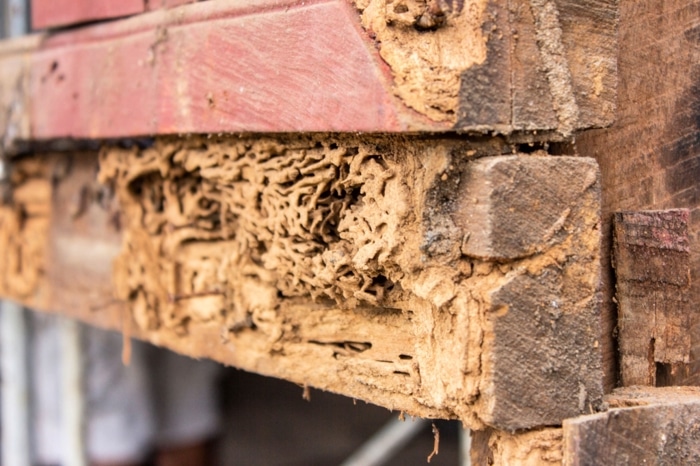
These pests show up both indoors and outdoors, depending on the season and what kind of environment they’re drawn to. Some, like termites and carpenter ants, can even damage the structure of a home if left unchecked. Others, like wasps and hornets, just make outdoor spaces less comfortable.
Understanding which bugs are common in your area is the first step to staying ahead of them. Whether you’re trying to keep your own home bug-free or making sure the properties you manage stay in good condition, knowing what to watch out for makes a big difference.
Common House Bugs in North Carolina Homes
Inside North Carolina homes, some bugs are just more common than others. Ants are at the top of the list. You might spot them crawling around the kitchen, especially if they’ve found a food source. Some are harmless, like little sugar ants, while others, like carpenter ants, can do damage over time by chewing through wood.
Cockroaches are another indoor pest you’re likely to encounter. These can include the regular kitchen roaches and the larger palmetto bugs that people often see scurrying across the floor at night. While they’re not dangerous in most cases, they can definitely make a place feel dirty, and they’re tough to get rid of once they find a spot they like.
Spiders are fairly common in North Carolina homes, too. Most are harmless and actually help control other pests, but you might still prefer not to see them hanging out in your bathroom or laundry room. Then there are silverfish, small, silvery bugs that love dark, damp places like basements or under sinks.
House centipedes and millipedes also make their way indoors from time to time, especially when the weather outside changes suddenly. They might look alarming, but they’re not harmful. Lastly, stink bugs tend to sneak in when temperatures drop, usually just looking for a warm spot to spend the winter.
These are the usual suspects in homes across North Carolina. Some are seasonal, others seem to stick around all year. But no matter which bug shows up, it’s always better to deal with it early before it becomes a bigger issue.
Common House Bugs in South Carolina Homes
South Carolina homes deal with many of the same indoor bugs as North Carolina, but the humid, coastal climate can make certain pests even more active. Roaches, for example, are extremely common, especially the big palmetto bugs that can fly and tend to show up in kitchens, bathrooms, and laundry rooms. If there’s food, water, or clutter nearby, chances are they’ll find their way in.
Ants are another problem in South Carolina homes, and just like up north, they often invade the kitchen looking for crumbs or spills. Some ants, like the crazy ants or fire ants, can be a bit more aggressive, especially when disturbed.
Spiders, silverfish, and centipedes also make regular appearances, especially in older buildings or places with a lot of moisture. These pests are often harmless but unpleasant to live with.
Humidity plays a big role in attracting these bugs indoors, and so does the way a home is maintained. Leaky pipes, poor ventilation, or cluttered storage areas can give pests an open invitation. That’s why it’s helpful for both residents and property managers to be on the lookout for signs early, before these bugs settle in for good.
Are Palmetto Bugs Common in North and South Carolina?
If you’ve seen a huge, fast-moving cockroach in your home, there’s a good chance it was a palmetto bug. These bugs are actually a type of cockroach, and yes, they’re very common in both North and South Carolina. You’ll mostly find them in warm, damp areas like bathrooms, kitchens, basements, and sometimes even inside cabinets.
In South Carolina, palmetto bugs are especially common. The warm and often humid environment makes it easy for them to live and breed, especially near the coast. In North Carolina, they also show up pretty often, especially during the warmer months or after heavy rain. They can squeeze through small cracks and are attracted to food, water, and even just the moisture in the air.
While they might look scary because of their size and ability to fly, palmetto bugs are not dangerous. But they can still be a big nuisance. They tend to hide during the day and come out at night, which makes them even more surprising when they show up in the middle of your evening snack or bathroom trip.
To keep them out, it helps to seal up any cracks around doors or windows, fix any leaky pipes, and keep kitchens and bathrooms clean and dry. Property managers often deal with these pests in shared spaces like laundry rooms or trash areas, so staying ahead with good maintenance can make a big difference.
Common Bug Bites in North and South Carolina
Not all bugs bite, but some of the ones that do are very common in the Carolinas. Mosquitoes are probably the biggest troublemakers, especially in the summer. Their bites are itchy and annoying, and in some cases, they can carry illnesses. You’ll usually find them outside around standing water, but they can sneak inside too.
Bed bugs are another common biter, and they’re a lot harder to spot. These tiny bugs hide in beds, couches, and cracks in the walls. Their bites usually show up in a line or cluster and can cause itching or discomfort. Unlike mosquitoes, you usually won’t feel a bed bug bite right away.
Fleas and ticks are also worth mentioning. If you have pets or spend time in grassy or wooded areas, these bugs might tag along and bite you too. Flea bites are small, red, and itchy, often around the ankles. Tick bites can be more serious, especially if the tick stays attached for a long time.
Fire ants are another pest to watch out for, especially in South Carolina. They tend to build their mounds in lawns or parks, and their bites can be painful and sometimes cause allergic reactions.
If you’re waking up with bites or noticing them after being outside, it’s a good idea to check for signs of pests around your home. Knowing which bugs bite and how to avoid them helps keep everyone a little more comfortable.
Common Garden Bugs in North Carolina
It’s not just inside the house where bugs cause problems. In North Carolina, gardens can attract a whole other group of pests. Aphids are tiny bugs that like to gather on plant stems and leaves. They suck the sap out of plants and can cause them to wilt or stop growing. You might also spot beetles, especially Japanese beetles, which chew through leaves and flowers quickly.

Caterpillars are another common garden bug. While they eventually turn into butterflies or moths, some types can be rough on vegetable gardens and flower beds. They can eat through plants overnight if there are enough of them.
Slugs and snails also show up in shady, damp spots. They aren’t technically bugs, but they do a lot of damage to leaves and crops, especially after a rainy day. Then there are mites and whiteflies, which are so small they’re hard to notice until plants start to look unhealthy.
Most garden bugs in North Carolina are more annoying than harmful, but they can ruin a lot of hard work if you’re trying to grow flowers or food. Keeping plants healthy, removing dead leaves, and checking under leaves for tiny bugs are all helpful habits for keeping outdoor pests under control.
Common Outside Bugs in South Carolina
If you spend time outside in South Carolina, especially in the warmer months, you’re bound to notice a few common bugs. Wasps and hornets are among the most obvious ones. They tend to build their nests around rooflines, porches, and sheds. These bugs are protective of their space and can sting if they feel threatened, so it’s important to give their nests space and call for help if you spot one too close to a home or common area.
Mosquitoes are another big outdoor pest, especially near standing water like ponds, birdbaths, or even clogged gutters. They are most active around dawn and dusk and can quickly make your backyard or porch less enjoyable.
Fire ants are also a familiar problem across many parts of South Carolina. They build large mounds in yards, near sidewalks, or in parks. If you step on one of their nests, they come out fast and can deliver painful stings that leave red bumps or even blisters.
In the evening, you might also notice shiny beetles buzzing around lights. These could be June bugs or other types of flying beetles that are drawn to porch lights. While they don’t usually bite or sting, their sudden appearance and clumsy flying can startle anyone.
Keeping the outside of your home clean and clutter-free is one of the best ways to cut down on these bugs. Property managers might also consider routine outdoor inspections and trimming vegetation around buildings to make outdoor areas more comfortable for residents.
What to Do if These Bugs Show Up
When bugs show up in your home or around your building, it can be stressful. But the good news is that in most cases, the sooner you take action, the easier it is to get things back under control. Start with the basics like keeping food sealed, cleaning up spills quickly, and getting rid of standing water. These small steps can make a big difference.
If you notice bugs showing up in certain areas often, take a closer look. Sometimes it’s a small crack in the wall, a leaking pipe under the sink, or even clutter that gives pests a perfect place to hide. Sealing entry points, fixing leaks, and keeping things dry can stop a lot of pests from settling in.
For residents, it’s helpful to report any bug issues early, especially if you live in an apartment where bugs can travel between units. And for property managers, having a system in place for pest control requests helps catch problems before they spread.
That’s where Pest Share comes in handy. When it’s available at a property, it gives residents a simple way to report pest problems and get help quickly, without a lot of hassle. It’s one less thing for both residents and property teams to worry about.
Frequently Asked Questions
Why do I have so many bugs in my bathroom?
Bugs love moisture, and bathrooms are usually one of the dampest spots in a home. Check for leaks around the sink, toilet, or tub, and make sure your fan or window helps air things out.
Are palmetto bugs dangerous?
No, they’re not dangerous, but they can carry bacteria and are pretty unsettling to see indoors. They’re a type of cockroach, and while they don’t bite or sting, no one wants them crawling around the house.
What’s the difference between a house centipede and a millipede?
House centipedes are fast and have long legs. They’re actually helpful because they eat other bugs. Millipedes move slowly and curl up when touched. They’re more of a nuisance than a problem.
How do I know if I have bed bugs or something else?
Bed bug bites usually show up in a line or small cluster and tend to itch. You might also notice small brown spots on sheets or mattress seams. If you’re not sure, it’s best to have a professional take a look.
Living in the Carolinas comes with its fair share of bug encounters, both inside and outside the home. From ants and cockroaches to mosquitoes and fire ants, knowing what’s common in your area helps you take action before things get out of hand. Whether you’re a resident trying to keep your space comfortable or a property manager looking to maintain a clean and safe environment, staying informed is a great place to start.