Pest prevention spray is one of the easiest ways to keep apartments feeling clean, comfortable, and protected. Property managers already juggle a lot, so having a solid approach to when and how to spray can save a lot of back-and-forth with residents. This guide walks through timing, techniques, and a few smart habits that make the process simple. The goal is to help you keep pest issues low while keeping your maintenance plan running smoothly.
Understanding Why Timing Matters More Than Most People Think
Spraying at the right time is almost as important as the spray itself. Pest activity isn’t constant throughout the year, and it shifts based on weather, moisture, and even resident habits. Many property teams spray after a problem shows up, but prevention works better when it lines up with natural pest cycles. For example, pests like ants and roaches become more active during warm months, so a proactive schedule before this activity spike helps keep them from settling in. When warm seasons slide into cooler seasons, pests often try to move indoors, which means another round of prevention helps block that shift. Good timing keeps you ahead of pests instead of chasing them.
How Often Apartments Should Be Sprayed for Best Results
Most apartments do well with a quarterly spray plan. This gives enough coverage to guard against seasonal changes without overwhelming the maintenance schedule. If your buildings are in areas with heavy pest pressure, you might tighten the schedule slightly during peak issues, but most standard apartments do not require anything extreme. Residents appreciate a predictable plan because it assures them the property is on top of things without causing frequent disruptions. It also keeps expectations clear, which reduces the number of surprise work orders. Pest Share’s coverage model already fits this rhythm, which makes it easy to build around.
What Areas Matter Most When Spraying Indoors
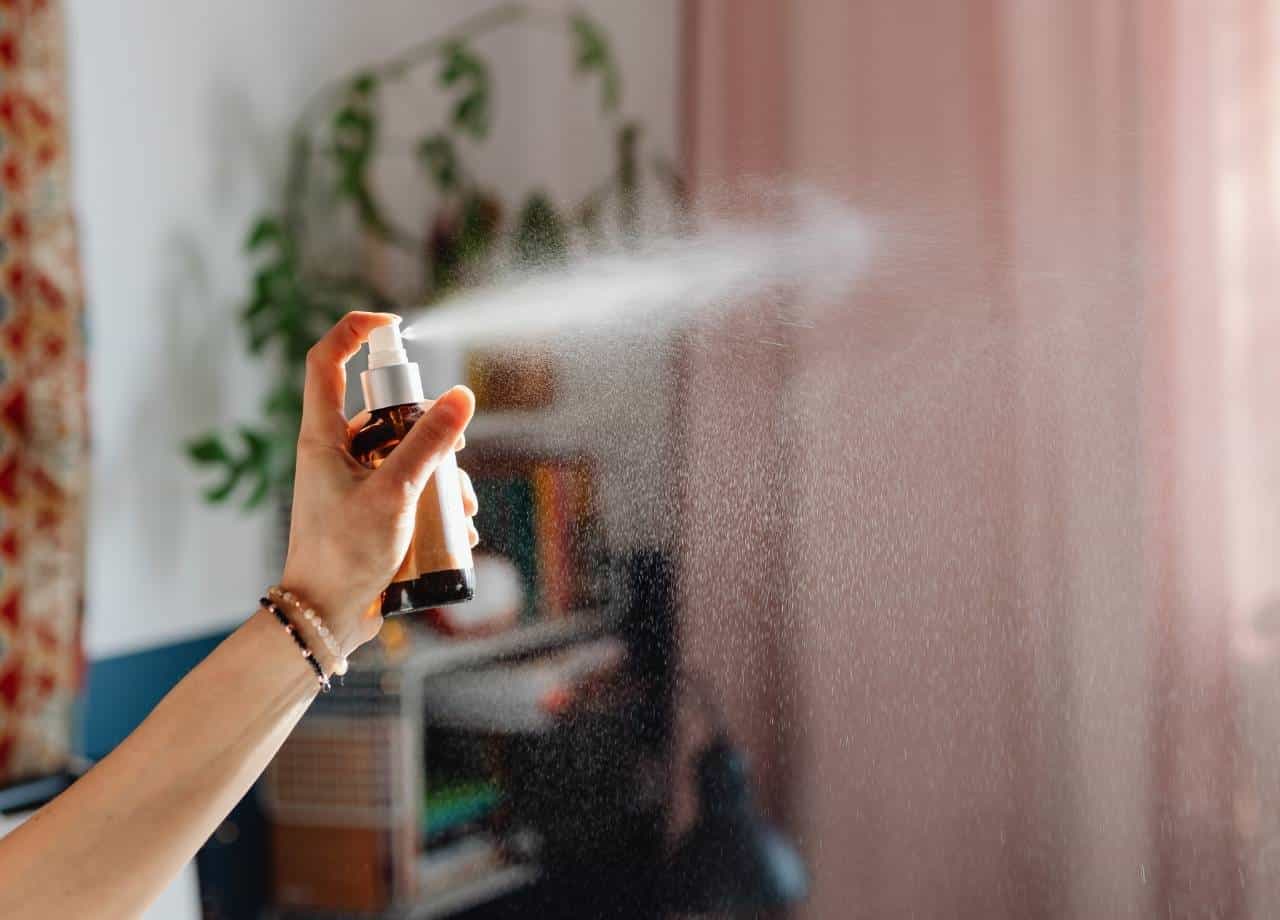
Not every surface inside an apartment needs pest spray. In fact, targeted spraying works better and keeps the space feeling safe for residents. Baseboards are one of the top spots because pests like to travel along edges. Corners, behind appliances, and under sinks are key areas too because they stay warm and hold moisture. These conditions attract pests quickly. You also want to spray entry points like door frames and window sills, especially in units close to shared hallways or outdoor walkways. These spots act like highways for pests, and light treatments here can block access. A slow and steady application works better than overspraying. Too much product in one spot does not increase effectiveness, but it does create an unnecessary smell and can make residents uneasy.
Outdoor Spray Placement That Makes the Biggest Difference
The exterior perimeter of a building is the first line of defense. This area keeps pests from even reaching the indoor space. When spraying outside, focus on the foundation line, door thresholds, weep holes, and places where utilities enter the building. These are the small cracks and gaps pests use to slip through. A continuous but light spray around the building turns these openings into barriers that most pests will avoid.
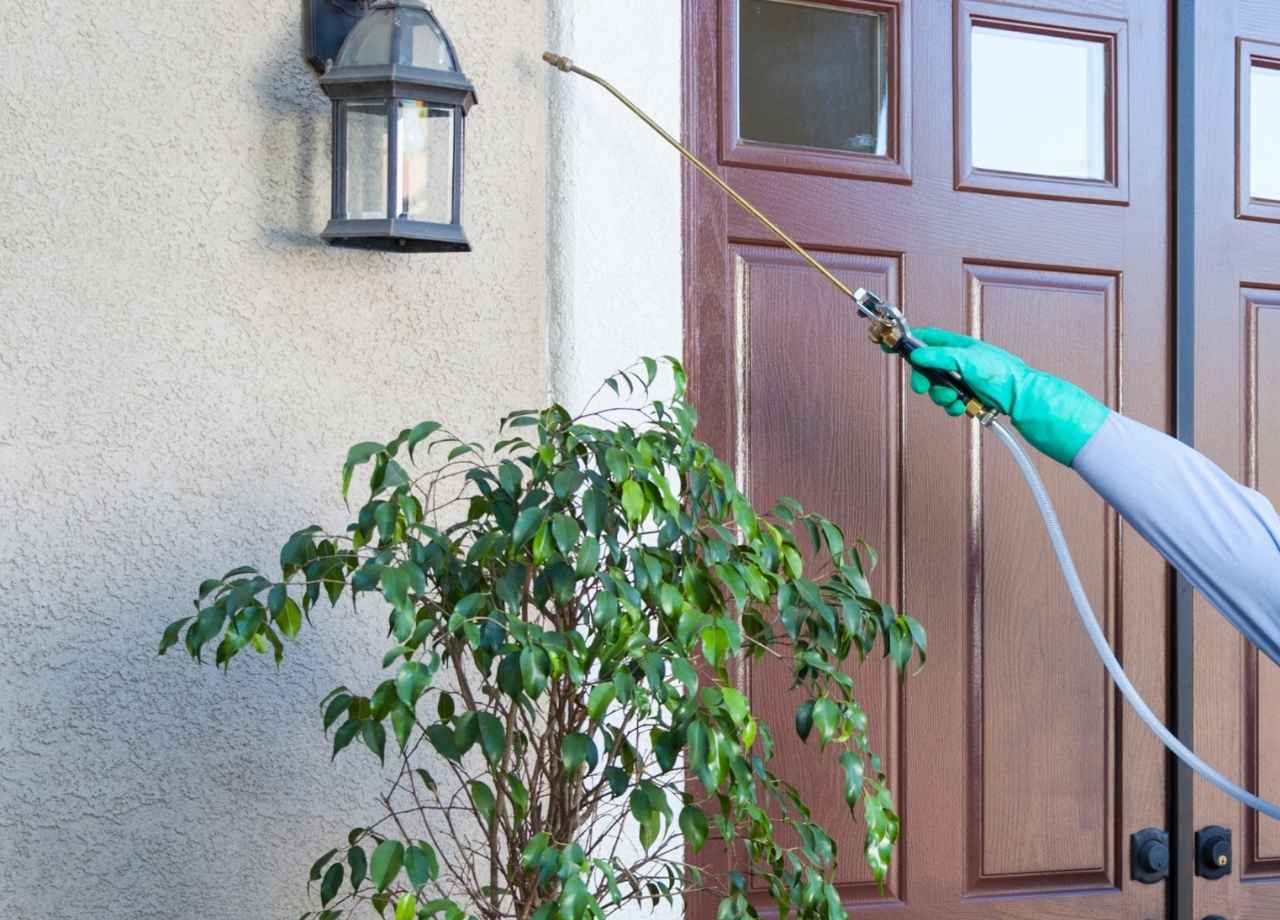
You can also treat outdoor storage areas, trash enclosures, and shaded corners where bugs like to hide during the day. When you pair regular outdoor spraying with clean landscaping and proper trash management, the apartment grounds stay much more comfortable for residents.
The Best Weather and Conditions for Outdoor Spraying
Weather plays a big part in spray success. Spraying right before heavy rain will wash the product away and waste time. The ideal window is a dry day with mild temperatures, usually early morning before heat builds or late afternoon when the sun starts to drop. These conditions help the product settle evenly so it sticks better and lasts longer. Windy conditions should also be avoided because they make spray drift and reduce control. When you hit the timing right, outdoor treatments can last several weeks, which aligns well with your quarterly or seasonal strategy. This keeps the maintenance flow simple and predictable.
How to Prepare Units Before Spraying Without Disrupting Residents
The best prep instructions are short and simple. Residents should clear items away from baseboards, move small things off kitchen and bathroom floors, and make sure pets are secured. These tiny tasks make spraying easier and faster for your team. If your residents use Pest Share’s on-demand service, the prep checklist becomes even easier since the instructions are already built into the request process. The goal is to avoid any heavy lifting or long prep lists because those can slow down scheduling and create frustration. Consistent reminders in community emails or portals help everyone stay on the same page without additional work for your staff.
The Right Technique for Applying Spray Indoors
Slow, controlled application is the best approach. Quick spraying does not allow enough contact time on surfaces and can miss key crevices. When spraying baseboards, hold the nozzle close and apply in a steady line. When you move behind appliances, focus more on corners and edges instead of the open wall space. Under sinks, you want to spray behind pipes and around the cabinet frame. Small targeted actions like this produce better outcomes than trying to cover every inch. Professional-grade products do most of the work once they are applied correctly, which means the technique matters more than the amount used.
Why Consistency Across All Units Keeps Problems Low
Pests move from one space to another, and this happens more than residents realize. When a spray plan is consistent across all units, it creates a stronger shield that makes it hard for pests to take hold. Even if one resident leaves food out or has clutter, your broader prevention plan reduces the chance of that issue spreading. Property managers benefit from this kind of consistency because it lowers surprise outbreaks and prevents groups of residents from reporting the same problem at once. When Pest Share’s model is in place, consistency becomes even easier because residents can request service anytime they notice something small before it grows.
What Property Managers Should Do After Each Spray Cycle
After treatment, a quick follow-up routine helps keep everything running smooth. You do not need to contact every resident unless they had a specific issue addressed. Instead, make sure maintenance logs are updated and confirm that any units with access issues are rescheduled quickly. If you have a digital maintenance platform, attach notes or reminders so everything stays organized.

Residents feel more confident when the property looks like it runs on a system rather than reacting in a rush. Over time, this kind of structure becomes one of the reasons they trust that pest issues will stay under control.
Common Mistakes to Avoid During Prevention Sprays
Overspraying is one of the biggest mistakes because it creates strong odors and makes residents think chemicals are being overused. Another mistake is skipping outdoor treatments when things look calm. Pests often hide until weather conditions push them out, so skipping a cycle can create the perfect entry point. Some properties also treat only the units reporting activity, which sounds efficient but leads to uneven results. A balanced approach across all buildings works better and keeps pest levels low all year. Finally, avoid using outdated spray products that have been sitting in storage for too long. Fresh and properly stored product is much more effective.
A reliable pest prevention plan does not need to be complicated. Set a quarterly spray cycle with priority areas indoors and a solid perimeter outdoors. Aim for mild weather when treating building exteriors and keep resident prep simple and reasonable. Use slow, targeted indoor techniques and keep your logs updated so nothing slips through the cracks.
When residents can use Pest Share’s service for any issues that pop up between cycles, your prevention flow becomes even smoother. It protects your apartments, supports your maintenance team, and keeps residents feeling comfortable.