
Most commercial property portfolios do not fail because of bad assets. They struggle because of invisible friction. Missed lease clauses. Inconsistent billing rules. CAM reconciliations living in spreadsheets that only one person understands. For years, many firms tried to manage growing complexity with tools that were never built for it. Commercial property management software exists because that approach finally stopped working.
The category itself is no longer niche or optional. The global property management software market is projected to grow from USD 6.07 billion in 2024 to USD 6.63 billion in 2025, representing a 9.2 percent compound annual growth rate, and it is expected to reach USD 9.59 billion by 2029. That growth is not driven by hype. It reflects a shift in how commercial portfolios are actually run.
What It Is & Why It Matters
Commercial property management software is a centralized system designed to manage the operational, financial, and contractual complexity of commercial real estate portfolios. It goes far beyond tracking units or collecting rent. These platforms are built to handle long term leases, variable rent structures, recoverable expenses, vendor coordination, and investor reporting, all within a single operational framework.
What makes this software matter is not convenience. It is accuracy and accountability. Commercial leases often include CPI adjustments, percentage rent, expense pass-throughs, and renewal options that can materially impact revenue. When those details are tracked inconsistently, revenue leakage becomes normal rather than exceptional. A purpose-built system creates a single source of truth where lease data, billing logic, and financial reporting are aligned.
There is also a governance dimension that is easy to overlook. Owners and stakeholders increasingly expect transparency, timely reporting, and defensible numbers. Software does not eliminate judgment, but it does reduce ambiguity. When data is structured and workflows are standardized, decisions are faster and easier to explain.
How It Differs from Residential Property Management Software
The differences between commercial and residential property management software are structural, not cosmetic. Residential systems are designed for volume and repetition. Commercial systems are designed for variation and exception. That distinction shapes everything from data models to workflows.
Commercial leases are not standardized documents with minor variations. They are negotiated contracts with unique terms, escalations, and responsibilities. A single tenant may occupy multiple spaces under different rent structures, with operating expenses allocated by square footage, usage, or custom formulas. Residential software is rarely built to handle that level of nuance without workarounds.
Financial workflows are another dividing line. Commercial accounting often involves accrual accounting, detailed general ledger structures, and owner specific reporting requirements. CAM reconciliation alone introduces layers of complexity that residential platforms are not designed to support. Commercial software treats these processes as core functionality rather than edge cases.
There is also a difference in how relationships are managed.
Commercial portfolios often involve asset managers, third party vendors, ownership entities, and tenants who expect self-service access to documents and financials. The software must support those interactions without creating administrative drag. In short, commercial property management software reflects the reality that fewer assets does not mean simpler operations.
Core Features Every Commercial Property Management Software Should Have
Not all property management software is created with commercial realities in mind. Many platforms check surface level boxes but fall apart once leases become complex, expenses need to be reconciled, or reporting expectations increase. Core features are not about having more tools. They are about having the right capabilities built specifically for long term commercial operations. When these fundamentals are in place, teams work faster, errors drop, and portfolios become easier to scale without chaos creeping in.
Lease & Contract Management
Lease and contract management is the foundation of any commercial property management platform. Without a structured way to store, track, and interpret lease data, every downstream process becomes fragile. Effective systems centralize lease terms, critical dates, escalations, and amendments in a format that can be operationalized rather than just archived.
What separates strong platforms from basic ones is how lease data is used. The best systems tie lease clauses directly to billing logic, reminders, and reporting. Renewal options trigger alerts. Rent changes flow automatically into invoicing. Nothing relies on someone remembering to check a document at the right time.
In commercial portfolios, leases are living documents. Software that treats them that way reduces risk and preserves value over the long term.
Rent Collection & Automated Billing
Rent collection in commercial real estate is rarely a simple monthly transaction. Automated billing must account for base rent, percentage rent, CPI adjustments, and custom charges that change over time. Software designed for commercial use handles this complexity without manual recalculation every billing cycle.
Automation here is not about removing human oversight. It is about ensuring consistency. When billing rules are embedded in the system, invoices are generated the same way every time. That consistency reduces disputes and improves cash flow predictability.
Equally important is flexibility. Commercial billing structures evolve. The software must allow adjustments without breaking historical data or forcing accounting workarounds.
Accounting & Financial Reporting
Commercial property accounting demands rigor. General ledger structures, accrual accounting, and owner level reporting are not optional features. They are baseline requirements. Strong platforms integrate accounting deeply rather than treating it as a separate module bolted on later.
Financial reporting must serve multiple audiences. Asset managers want performance insights. Owners want clarity and compliance. Accountants want accuracy and auditability. The software acts as the common language between them.
Integration also matters. Many firms rely on external accounting systems. Commercial property management software must either replace or integrate cleanly with those tools to avoid duplication and reconciliation headaches.
CAM & Expense Reconciliation (Commercial-Specific)
CAM and expense reconciliation is where many systems reveal their limits. Recovering operating expenses requires precise tracking, allocation rules, and clear documentation. Commercial software treats CAM as a first-class function rather than a spreadsheet export.
Effective platforms track expenses at the property and expense category level, apply recovery formulas automatically, and generate reconciliation statements that stand up to scrutiny. This is not just about efficiency. It is about credibility with tenants and owners alike.
When CAM is handled well, it stops being a seasonal fire drill and becomes a predictable process.
Maintenance & Work Order Management
Maintenance in commercial properties involves more than fixing issues. It involves coordinating vendors, tracking costs, and maintaining service standards across assets. Work order management systems streamline this by providing clear workflows from request to completion.
Commercial software supports preventive maintenance schedules, vendor assignments, and cost tracking tied back to properties and leases. This visibility helps teams manage facilities proactively rather than reactively.
Over time, maintenance data becomes a strategic asset. Patterns emerge. Decisions improve.
Tenant & Owner Portals
Self-service portals reduce administrative workload while improving transparency. Tenants can access invoices, submit requests, and review documents without emailing property managers. Owners can view reports and performance metrics on demand.
The value here is not convenience alone. It is trust. When stakeholders can see accurate information without delay, relationships improve. Fewer questions turn into fewer interruptions.
A well-designed portal reflects professionalism. It signals that the operation is organized and reliable.
Reporting, Dashboards & Analytics
Reporting and analytics turn operational data into insight. Commercial portfolios rely on KPIs like occupancy, rent roll performance, expense recovery, and cash flow trends. Dashboards bring these metrics together in a way that supports decision-making.
The best platforms allow customization. Different roles need different views. Asset managers and executives should not have to sift through the same reports.
Analytics also support planning. When historical data is structured and accessible, forecasting becomes more grounded. That is where software shifts from record keeping to strategy.
How to Evaluate and Choose the Right Software
Choosing commercial property management software is less about features on a checklist and more about fit. Two platforms can look similar on paper and perform very differently once real leases, real owners, and real reporting deadlines are involved. The evaluation process works best when it starts inward, not outward.
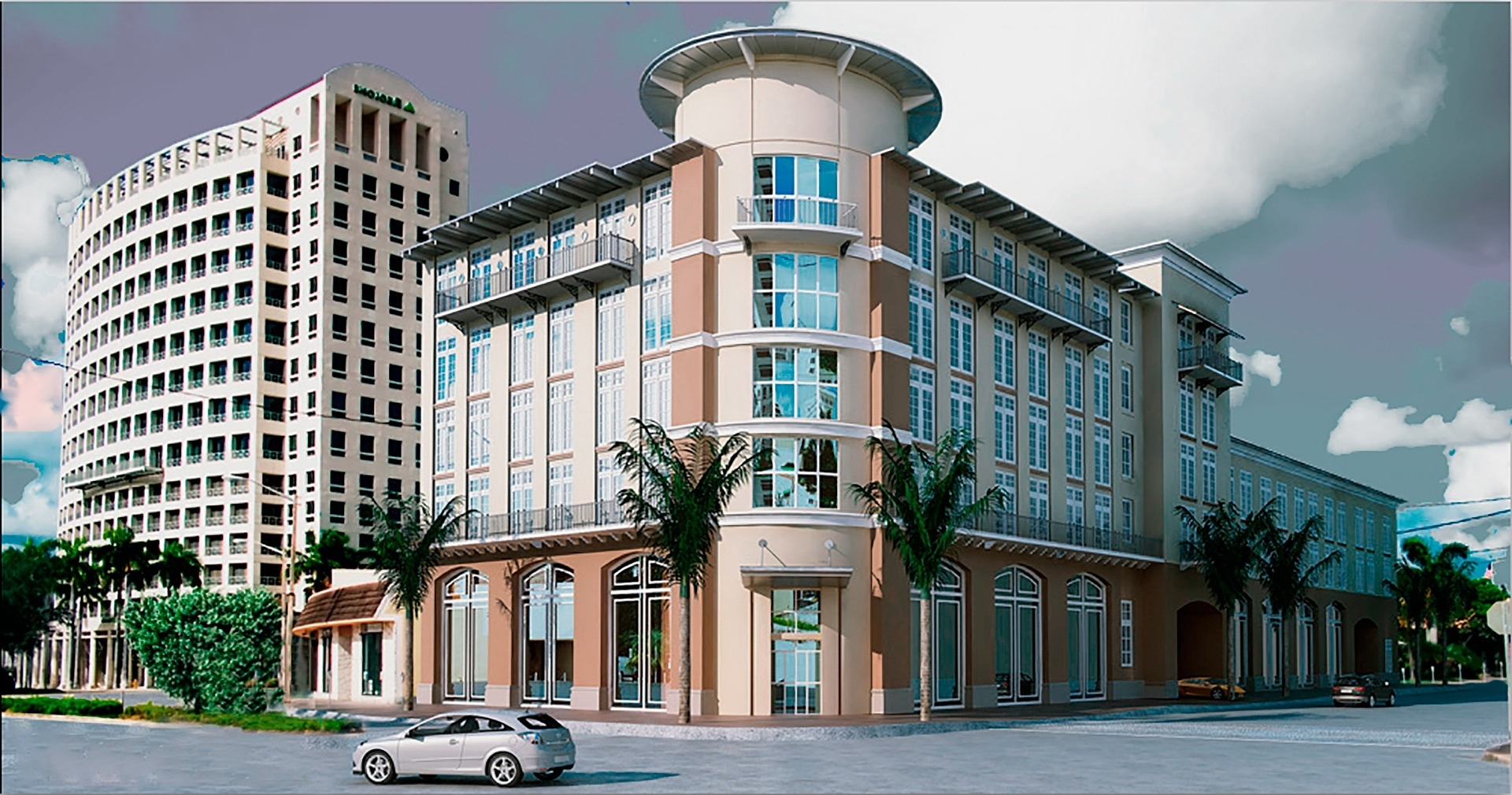
The goal is not to find the most powerful software available. It is to find the software that aligns with how your business actually operates and where it intends to go.
Identifying Your Unique Business Needs
Every commercial portfolio has its own operational fingerprint. Asset mix, lease complexity, ownership structures, and reporting obligations vary widely. That is why technology decisions are increasingly treated as business-critical across the industry, with most property managers recognizing that the right systems directly influence performance and long-term stability, as reflected in recent property management technology adoption research.
Before comparing vendors, it is essential to understand your internal realities with precision. This starts with asking practical questions. How complex are your leases today, and how complex will they be in three years. How many owners require custom reporting. How often do CAM reconciliations create friction. Where do teams rely on spreadsheets because current systems fall short.
Software should solve existing pain points, not introduce new ones. When requirements are clearly defined, it becomes much easier to separate genuinely relevant capabilities from impressive but unnecessary features.
That clarity also prevents overbuying. Complexity has a cost, especially during implementation and training, and the most effective platforms are those that align closely with how the business actually operates.
Must-Have Versus Nice-to-Have Functions
Feature prioritization is where discipline matters. Commercial property management platforms can do a lot, but not everything needs to be implemented on day one. Separating must-have functions from nice-to-have enhancements keeps projects grounded and timelines realistic.
Must-haves typically align with revenue protection, compliance, and reporting accuracy. Lease administration, billing logic, and core accounting fall into this category. Nice-to-haves often include advanced analytics, automation layers, or specialized integrations that add value later.
A phased mindset reduces risk. It allows teams to stabilize core operations first and expand capabilities as confidence and adoption grow. Software that supports this progression tends to deliver stronger long-term ROI.
Usability & Workflow Efficiency
Powerful software that no one enjoys using quickly becomes shelfware. Usability is not a cosmetic concern. It directly affects adoption, data quality, and operational consistency.
Workflow efficiency matters most in high-frequency tasks. Entering lease data, approving invoices, closing work orders, and generating reports should feel intuitive rather than procedural. When systems require excessive clicks or workarounds, teams revert to old habits.
Good platforms respect how people actually work. They guide users without forcing them into rigid sequences that slow productivity.
Integration & Ecosystem Fit
No commercial property management system operates in isolation. Accounting platforms, CRM tools, CAFM or IWMS systems, and reporting tools often coexist within the same organization. Integration capability determines whether that ecosystem feels cohesive or fragmented.
Clean integrations reduce duplicate data entry and reconciliation errors. They also preserve flexibility. Firms can evolve their tech stack without rebuilding core processes each time a tool changes.
Evaluating integration is not just about checking compatibility lists. It involves understanding how data flows between systems and who owns that data at each stage.
Onboarding, Support & Training
Implementation success is shaped as much by people as by technology. Onboarding, training, and ongoing support determine whether a platform delivers value or becomes a source of frustration.
Strong vendors invest in structured onboarding that includes data migration planning, workflow configuration, and role-based training. They also provide accessible support after go-live, when real-world questions emerge.
The return on investment is tied closely to adoption. Software that teams understand and trust gets used correctly. Software that feels opaque does not.
Scalability & Mobility (Cloud vs On-Premise)
Scalability is not just about portfolio size. It is about organizational change. Growth, acquisitions, remote teams, and new service lines all place demands on systems.
Cloud-based platforms typically offer faster updates, remote access, and easier scaling across locations. They also shift security and infrastructure management away from internal teams. On-premise solutions may appeal to firms with strict control requirements but often carry higher maintenance overhead.
Mobility has become a baseline expectation. Field teams, asset managers, and executives need access without being tied to a desk. Software that supports this flexibility aligns better with modern operating models.
Top Commercial Property Management Software Options (2026)
By 2026, the commercial property management software landscape is no longer defined by a handful of dominant players. It is a layered market shaped by portfolio size, operational philosophy, and tolerance for complexity. Some platforms prioritize simplicity and speed. Others are built to handle sprawling portfolios with intricate ownership and reporting demands. Understanding how these tools are positioned makes the selection process far more efficient.
There is no universally best platform. The right choice depends on how much structure your organization needs, how quickly it expects to grow, and how much internal capacity exists to support implementation and ongoing management. What follows is a practical way to think about the major categories without getting lost in feature lists.
Full-Suite All-in-One Platforms
Full-suite platforms are designed to centralize leasing, accounting, maintenance, and reporting within a single environment. Solutions like DoorLoop and AppFolio are often chosen by firms looking to replace fragmented systems with one cohesive platform.
These tools tend to emphasize usability and speed to value. Interfaces are intuitive, workflows are opinionated, and onboarding is typically faster than with enterprise-grade systems. This makes them appealing to organizations that want structure without heavy customization.
Their strength lies in balance. While they may not offer infinite configurability, they cover core commercial workflows well and reduce the operational drag caused by juggling multiple tools. For many firms, that tradeoff feels practical rather than limiting.
Enterprise & Large-Portfolio Solutions
Enterprise platforms are built for scale and complexity. RealPage and MRI Commercial serve organizations managing large, diverse portfolios with layered ownership structures and rigorous reporting requirements.
These systems offer deep configurability, advanced analytics, and extensive integration capabilities. They are designed to adapt to complex internal processes rather than impose standardized workflows. This flexibility is valuable, but it comes with higher implementation effort.
Enterprise solutions are best suited for organizations with dedicated teams to manage rollout, training, and configuration. Deployment timelines are longer, but the payoff is a system that can support highly customized operations at scale.
Mid-Market & Scalable Platforms
Mid-market platforms occupy the space between simplicity and sophistication. Yardi Commercial is often positioned in this category, offering modular solutions that allow firms to start with core functionality and expand over time.
These platforms appeal to organizations that expect growth but want to avoid overcommitting upfront. Modules can be added as needs evolve, whether that means more advanced accounting, analytics, or operational tools.
The defining characteristic here is flexibility. Mid-market platforms are designed to grow alongside the business, making them a common choice for firms transitioning from smaller portfolios into more complex operations.
Niche or Specialist Tools
Not every problem requires a full-suite solution. Some platforms focus narrowly on specific functions such as lease abstraction, portfolio analytics, or performance benchmarking. These tools are often used alongside broader property management systems.
Specialist platforms add value when depth matters more than breadth. For example, advanced analytics tools can uncover trends that general-purpose systems overlook. Lease-centric tools can improve accuracy where contracts are unusually complex.
These solutions are best viewed as complements rather than foundations. They strengthen existing systems rather than replace them, filling gaps that emerge as portfolios mature and expectations rise.
Pricing Models & Total Cost of Ownership
Pricing is often where otherwise solid software decisions start to wobble. Not because the numbers are unclear, but because they are incomplete. Commercial property management software is rarely a simple subscription purchase. It is an operational investment that unfolds over time, shaped by portfolio growth, usage patterns, and internal adoption.

Understanding total cost of ownership requires looking beyond the headline price. The most expensive platform on paper is not always the most costly in practice, and the cheapest option can become expensive once limitations surface. The goal is to understand how pricing behaves as your business evolves, not just how it looks at the starting line.
Subscription-Based Pricing
Most commercial property management platforms operate on a subscription model. Pricing is commonly tied to unit counts, square footage, or the number of properties under management. This structure aligns software cost with portfolio scale, which feels logical and predictable at first glance.
The nuance lies in the tiers. What is included at each pricing level can vary significantly. Core features may be standard, while advanced reporting, automation, or additional user roles are reserved for higher tiers. User limits, data storage caps, and access to certain modules can quietly influence how usable the platform feels day to day.
Forecasting matters here. A platform that fits neatly within budget today may become restrictive or more expensive as the portfolio grows. Understanding how pricing scales helps avoid painful renegotiations later.
Implementation & Hidden Costs
Subscription fees are only one component of total cost. Implementation often represents a meaningful investment, particularly for commercial portfolios with complex lease structures and historical data. Onboarding services, data migration, configuration, and training are typically priced separately.
Customization can add another layer. Tailoring workflows, reports, or integrations to match internal processes takes time and expertise. Enterprise platforms, in particular, may require professional services to unlock their full value.
There are also ongoing costs to consider. Premium support packages, advanced analytics modules, and third-party integrations may carry additional fees. These expenses are not inherently problematic, but they should be visible upfront. Transparency here allows teams to budget realistically and avoid surprises that erode trust.
Cost vs Value Analysis
Focusing solely on cost often leads to short-sighted decisions. The more meaningful question is what the software replaces, improves, or protects. Manual processes consume time. Errors introduce risk. Delayed insights limit opportunity.
Value shows up in quieter ways. Fewer billing disputes. Faster month-end closes. More confident reporting to owners. These outcomes rarely appear on pricing pages, but they define return on investment.
When software aligns with business goals and operational realities, the conversation shifts. Cost becomes contextual rather than absolute. At that point, the decision feels less like an expense and more like a foundation.
Modern Trends & Innovations in Commercial Property Management Software
Commercial property management software is no longer just catching up with operational needs. It is beginning to shape how portfolios are planned, operated, and valued. This shift is happening alongside broader momentum in proptech. The proptech market, which includes property management platforms, is projected to grow from USD 35.4 billion in 2024 to USD 114.8 billion by 2033, with a compound annual growth rate of roughly 13.25 percent, according to research from IMARC Group. That growth reflects accelerating digital adoption across commercial real estate rather than incremental upgrades.
What is changing now is not just capability, but expectation. Owners and operators increasingly assume their systems will be intelligent, connected, and adaptable. Software is becoming less of a back-office utility and more of an operational partner.
AI & Automation in Lease Administration
Lease administration is one of the clearest beneficiaries of automation. AI-driven tools are now being used to extract lease data, flag critical clauses, and predict renewal or risk scenarios. This reduces reliance on manual review while improving consistency across portfolios.
Adoption is already meaningful. Research highlighted by Resimpli shows that 67 percent of property management companies use dedicated software, and 65 percent have adopted AI-driven screening tools, signaling a broader comfort with automation. In the commercial real estate sector specifically, a survey of 370 professionals found that nearly all expect software investment to remain steady or increase, while actual AI implementation currently sits around 20 percent with strong interest ahead, according to a report from Building Engines.
The near-term value of AI lies in pattern recognition and workflow automation rather than replacement of expertise. Predictive analytics can surface trends in lease performance, while automated workflows reduce lag between events and action. The result is quieter operations and fewer surprises.
Mobile & Remote Operations
Commercial property operations no longer happen in a single office. Asset managers, facilities teams, and executives are distributed, often across regions. Mobile access has shifted from convenience to necessity.
Modern platforms support inspections, approvals, and work order updates from mobile devices. Field teams can document issues in real time. Managers can review performance without waiting for end-of-month reports.
This mobility improves responsiveness and accountability. When information flows freely, decisions follow faster.
ESG & Sustainability Tracking
Environmental, social, and governance considerations are increasingly part of commercial property strategy. Software platforms are beginning to integrate energy usage, emissions data, and sustainability metrics alongside financial performance.
This integration matters because ESG reporting often pulls data from multiple systems. When sustainability data lives within the same platform as leases and expenses, reporting becomes more coherent and credible.
While not every portfolio faces the same ESG pressure, the direction is clear. Software that supports these workflows positions firms for evolving expectations.
Data Security & Compliance
As software becomes more central, data security moves to the forefront. Commercial property management platforms now handle sensitive financial data, personal information, and contractual details.
Vendors increasingly emphasize compliance with standards such as SOC 2 and alignment with privacy regulations. For operators, this reduces internal risk and simplifies due diligence with owners and partners.
Security is no longer a background consideration. It is part of the buying conversation.
Integration with IWMS & CAFM
Integration across systems continues to deepen. Commercial property management software increasingly connects with IWMS and CAFM platforms to bridge operational and facilities data.
This cross-domain visibility supports better planning. Lease events inform space planning. Maintenance data influences capital decisions. Silos begin to dissolve.
The trend is toward ecosystems rather than monolithic systems.
Implementation Best Practices
Implementation is the moment where strategy meets reality. Even the most capable commercial property management software will struggle if the rollout is rushed or treated as a purely technical exercise. The firms that see the strongest results approach implementation as an operational change, not a software install.
This phase sets the tone for adoption, data quality, and long-term confidence in the system. When done thoughtfully, implementation feels deliberate and controlled. When it is rushed, issues tend to linger long after go-live.
Planning & Change Management
Successful implementation begins well before configuration starts. Clear planning establishes scope, timelines, and ownership, ensuring everyone understands what is changing and when. This clarity prevents misalignment between leadership expectations and day-to-day realities.
Change management is just as important as project management. Teams need context, not just instructions. When users understand why a new system is being introduced and how it improves their work, resistance softens. Engagement increases.
Communication should be consistent and practical. Regular updates, realistic milestones, and open feedback channels help maintain momentum. Strong planning turns implementation into a controlled transition rather than a disruptive event.
Data Migration Strategies
Data migration is one of the most underestimated aspects of implementation. Lease records, financial history, vendor details, and tenant information must be accurate before they move. Migrating flawed data only embeds problems deeper into the new system.
A phased approach reduces risk. Critical data can be migrated first, validated, and tested before secondary records are introduced. This allows teams to confirm that reports, billing, and workflows behave as expected.
Clean data is more than a technical requirement. It is the foundation of trust. When users see accurate information from day one, confidence in the platform grows quickly. The time invested here continues to pay off long after launch.
Training & User Adoption
Training should mirror real work, not idealized scenarios. Role-based training helps users focus on the tasks they perform daily, making the software feel immediately relevant. Generic demonstrations rarely stick.
Adoption is not a single milestone. It evolves as teams become more comfortable and as additional features are introduced. Ongoing training reinforces best practices and prevents informal workarounds from taking hold.
Platforms that support learning through documentation, support, and continued engagement tend to deliver stronger long-term returns. When users feel supported, the system becomes part of the workflow rather than an obstacle.
Frequently Asked Questions
What is the typical timeline to deploy?
Deployment timelines vary based on portfolio size and complexity. Smaller implementations may take weeks, while enterprise deployments often span several months. Planning and data readiness are the biggest variables.
Do I need a separate CAFM or IWMS tool?
Not always. Many commercial property management platforms cover core facilities workflows. Separate systems make sense when portfolios require advanced space planning or engineering features.
How does software handle CAM reconciliation?
Commercial platforms track recoverable expenses, apply allocation rules, and generate reconciliation statements automatically. This reduces manual effort and improves accuracy.
What integrations are most critical?
Accounting systems, banking tools, and reporting platforms are typically highest priority. CRM and facilities integrations add value as operations mature.
At that point, the software stops feeling like a system you manage and starts feeling like infrastructure you rely on.