Pest control is rarely questioned when it is working. It becomes urgent, expensive, and highly visible the moment it fails. For property managers, that gap between prevention and crisis is where budgets are tested and reputations are exposed.
Many managers inherit pest control contracts without ever dissecting the pricing structure behind them. The invoices arrive monthly or quarterly. The treatments happen. Complaints may or may not surface. Yet very few decision makers step back to evaluate what those dollars actually represent and whether the cost aligns with the asset being protected.
This guide covers the real economics of pest control from a property management perspective. We will examine what drives pricing, how contracts are structured, how commercial costs differ from residential services, and what return on investment truly looks like when prevention is done correctly. The goal is not to chase the lowest number. It is to understand the system behind the number.
Pest Control Cost Overview
The U.S. pest control industry continues to expand at a steady pace. Industry projections estimate total revenue will reach approximately 26.1 billion dollars by 2025, reflecting consistent growth across both residential and commercial segments.
More than 31,000 pest control businesses operate nationwide, employing over 167,000 specialists. This is not a niche service sector. It is a mature, competitive industry with significant infrastructure behind it.
Understanding pest control cost requires more than looking at a single invoice. The number typically reflects inspection time, technician labor, materials, equipment, transportation, licensing, insurance, and overhead. In commercial settings, it often includes documentation protocols and compliance tracking. What appears as a simple spray visit is actually supported by regulatory standards, training programs, and operational logistics.
One-time treatments and ongoing service plans represent two fundamentally different pricing models. A one-time service is usually reactive. It addresses a visible infestation or an urgent complaint. Ongoing plans, by contrast, are preventive. They are structured around scheduled visits designed to reduce risk before residents ever notice a problem. Preventive plans often produce lower long-term costs because they reduce repeat infestations and emergency callouts.
National Average Pest Control Costs (United States)
National averages provide a useful baseline, though they should never be treated as universal benchmarks. For a 3,000 square foot home, pest control services typically range from approximately 400 to 950 dollars depending on the scope of work and pest type. That figure reflects general treatment and does not necessarily include specialized services such as fumigation or structural termite remediation.
Initial professional visits often cost between 150 and 400 dollars. This first service may include inspection, identification of pest activity, and the first round of treatment. Ongoing service plans vary based on frequency. Monthly plans commonly range from 30 to 70 dollars per visit, while quarterly services typically fall between 100 and 300 dollars per service interval. These numbers fluctuate by region and by service inclusions.
Service type significantly affects pricing. A general pest spray targeting ants, spiders, and roaches will sit at the lower end of the pricing spectrum. Termite control, especially when involving soil treatments or baiting systems, commands higher fees due to specialized materials and long-term monitoring. Bed bug treatment can escalate quickly depending on whether the service targets a single room or requires full-structure remediation. Rodent and wildlife removal often include exclusion work, which adds labor costs beyond simple trapping. Mosquito and tick control programs are frequently seasonal and priced per visit or per yard size.
Annual, monthly, and quarterly models each serve different operational goals. Monthly programs provide consistent monitoring and are often preferred in high-density environments. Quarterly plans are common for general prevention in moderate-risk properties. Annual contracts typically bundle services into scheduled intervals and may include guarantees or re-treatment provisions.
Cost per square foot is another lens through which managers can evaluate proposals. For general pest prevention, pricing may range from approximately 0.05 to 0.15 dollars per square foot annually depending on complexity and region. Larger properties often benefit from economies of scale, though accessibility and structural layout can offset those efficiencies. For property managers overseeing multiple buildings, calculating cost per square foot creates a standardized comparison tool across assets.
Cost Breakdown by Pest Type
Common Household Pests
Ants, cockroaches, spiders, and fleas represent the bulk of routine service calls across residential and multi-unit properties. Ant treatments are generally straightforward unless the colony is deeply established within structural voids. Cockroach control can vary significantly in cost depending on severity and sanitation conditions. In high-density housing, roach infestations may require coordinated treatments across adjacent units, which increases labor time.
Spider control is often bundled into general pest programs. It focuses on perimeter treatments and web removal. Fleas and ticks can be more complex, especially when pets are involved. Indoor and outdoor treatments may both be required, and follow-up visits are common. For property managers, the key variable is spread. A localized issue remains manageable. A building-wide infestation changes the budget equation quickly.
Difficult or High-Cost Pests
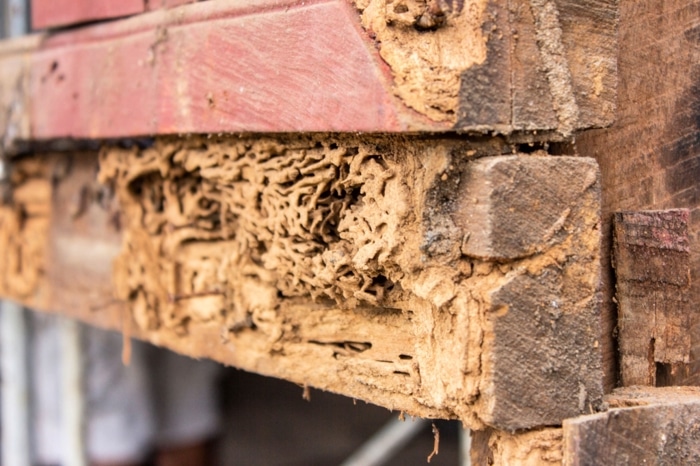
Termites represent one of the most financially significant pest categories. Exterior barrier treatments differ substantially from full-structure fumigation. Soil-applied treatments and baiting systems require specialized equipment and long-term monitoring. Fumigation, where required, involves vacating the structure and sealing it, which dramatically increases cost and operational disruption.

Bed bugs are another high-cost category due to their resilience and rapid spread. Treating a single room may be relatively contained, but whole-building exposure multiplies expenses. Heat treatments, chemical applications, and repeat inspections are common components of a comprehensive plan.
Rodents such as rats and mice often require exclusion work in addition to trapping. Sealing entry points, repairing structural gaps, and reinforcing utility penetrations add labor time. Wasps and bees can be localized issues, yet nests within wall cavities increase complexity. Wildlife such as raccoons and squirrels introduce additional considerations including humane removal protocols and potential structural repair.
Emerging and Seasonal Pests
Mosquitoes and gnats tend to be seasonal concerns. Treatment programs typically run during warmer months and are priced per visit or per treatment cycle. While these services may appear optional, they directly impact resident comfort and outdoor amenity use, which can influence satisfaction metrics.
Carpenter ants occupy a middle ground between nuisance and structural threat. While not as destructive as termites, they can damage wood framing if left unchecked. Identifying whether activity is superficial or structural is critical for cost forecasting.
For property managers, understanding pest type is not merely about elimination. It is about anticipating risk exposure and aligning service intensity with asset value. Some pests represent minor inconveniences. Others threaten structural integrity or resident retention. Pricing reflects that spectrum.
Key Factors That Impact Pest Control Pricing
Pricing in pest control is rarely arbitrary. It is built around measurable variables that determine time, materials, and long term monitoring requirements. Property managers who understand these drivers are far better equipped to interpret quotes and negotiate intelligently.
Pest type and infestation severity sit at the top of the pricing equation. A light ant presence in a lobby is very different from a multi-unit bed bug outbreak. The deeper the infestation, the more labor hours and follow-up visits are required. Severe cases often involve coordinated treatments across multiple units, which increases both scheduling complexity and cost.
Property size and accessibility play an equally important role. Larger buildings do not simply take longer to treat. They require systematic inspection of common areas, utility corridors, trash rooms, basements, and exterior perimeters. Accessibility challenges such as locked units, limited crawl space clearance, or high-rise exteriors can add operational time. More time means higher cost.
Treatment methods also influence pricing. Basic chemical applications typically cost less than fumigation or structural heat treatments. Rodent exclusion work involves sealing entry points and repairing gaps, which adds skilled labor. The choice of method is not just about elimination. It is about preventing recurrence, which ultimately shapes the financial outcome.
Frequency of visits and contract terms create predictable budget patterns. Monthly programs naturally carry higher annual totals than quarterly visits, but they often reduce emergency service calls. Location and seasonal demand further impact cost. Warmer climates with year-round pest pressure typically require more frequent service. Urban density can increase risk exposure. In commercial settings, documentation and regulatory compliance requirements add another layer of administrative work that factors into pricing.
Commercial Pest Control Pricing Considerations
Commercial properties operate under different expectations than single family homes. Multi-unit apartments require coordination across shared walls and common spaces. A single untreated unit can undermine an entire prevention strategy. That interconnected structure often necessitates broader coverage, which influences contract pricing.
Retail spaces, office buildings, and warehouses present their own challenges. Warehouses may require rodent monitoring across expansive square footage. Offices need discreet service scheduling to avoid business disruption. Retail locations are particularly sensitive to visible pest activity, which elevates response time expectations. These operational demands shape service frequency and cost.
Food related environments face even stricter requirements. Restaurants, grocery tenants, and food storage areas often require documented Integrated Pest Management programs. Detailed inspection logs, monitoring devices, and rapid response protocols are standard. Compliance with health inspections is not optional, and providers price accordingly to ensure standards are consistently met.
Integrated Pest Management, commonly referred to as IPM, deserves particular attention. Rather than relying solely on chemical treatment, IPM combines monitoring, sanitation recommendations, exclusion work, and data tracking. While the upfront investment may appear higher, IPM plans often stabilize costs over time by reducing recurring infestations. For property managers overseeing multiple buildings, this stability supports more predictable annual budgeting.
Bundled service agreements offer another strategic lever. Providers frequently discount when multiple properties or service categories are combined into one contract. Negotiation is more effective when managers present portfolio level volume instead of single building demand. The result is often better pricing and stronger service commitments.
Cost Calculation Examples
Theory becomes more useful when translated into practical numbers. Consider a small office building of approximately 10,000 square feet. A quarterly general pest service priced at 0.10 dollars per square foot annually would equate to roughly 1,000 dollars per year. Spread across four visits, that creates manageable quarterly budgeting while maintaining consistent monitoring.
Now imagine a large residential apartment property with 200 units and substantial common areas. If a preventive program averages 40 dollars per unit per month, annual service could approach 96,000 dollars. That number may seem significant at first glance. However, when divided across total rental revenue, it often represents a small fraction of overall operating costs. Preventing a widespread bed bug outbreak alone can justify that investment.

Mixed-use properties introduce layered calculations. Retail spaces may require monthly monitoring while residential floors operate on quarterly schedules. Combining service frequencies into one contract often produces blended pricing efficiencies. Property managers benefit from analyzing each component separately before reviewing the combined proposal.
Seasonal budgeting adds another dimension. Mosquito programs, for example, may run for six to eight months depending on climate. Instead of absorbing the cost in a single season, some managers distribute projected seasonal expenses across the entire fiscal year. This approach smooths cash flow and avoids sudden expense spikes during peak months.
Simple formulas support better oversight. Cost per square foot offers one benchmark. Cost per unit provides another. Dividing total annual pest control expense by gross rental revenue reveals proportional impact. These calculations allow managers to evaluate whether pricing aligns with property class, risk level, and revenue profile.
How to Get Accurate Pest Control Quotes
Accurate pricing begins with a thorough inspection. Reputable providers assess interior and exterior areas, identify conducive conditions, and evaluate structural vulnerabilities. They look for entry points, moisture issues, sanitation gaps, and signs of active infestation. A rushed walkthrough often leads to underpricing followed by surprise add-ons later.
Property managers should approach inspections as collaborative evaluations rather than transactional appointments. Clear communication about prior issues, seasonal trends, and resident concerns improves quote accuracy. Transparency helps providers recommend appropriate service frequency instead of defaulting to generic packages.
Before signing a contract, specific questions deserve attention. What pests are covered under the agreement. How are follow-up visits handled. Are emergency calls included or billed separately. What documentation will be provided. Understanding these details prevents misalignment after service begins.
Comparing quotes requires more than lining up totals. Scope of work, frequency, guarantee terms, and response time commitments must be evaluated side by side. A lower number may reflect reduced visit frequency or limited coverage. A slightly higher proposal may include warranty protection that offsets long term risk.
Hidden charges can erode budget predictability. Inspection fees, travel surcharges, after-hours service premiums, and additional treatment costs should be clearly outlined in writing. Experienced managers request detailed breakdowns rather than accepting summary pricing. Clarity upfront prevents friction later.
Pest Control Contracts for Property Managers
One-time services serve a purpose, particularly during isolated incidents. However, recurring contracts form the backbone of most commercial pest management strategies. Recurring agreements create accountability, scheduled oversight, and documented prevention protocols. For multi-unit properties, this continuity is essential.
Negotiating terms involves more than price. Service Level Agreements define response times, reporting standards, and escalation procedures. A strong SLA ensures that urgent complaints are addressed promptly and routine inspections are documented consistently. This structure protects both operational performance and reputation.
Warranty and follow-up coverage deserve careful review. Some contracts include complimentary re-treatment within a specified period if pests return. Others charge separately for additional visits. Understanding these boundaries influences overall cost evaluation. A slightly higher monthly fee that includes guaranteed follow-ups may prove more economical over time.
Seasonal adjustment clauses provide flexibility. In colder climates, service frequency may decrease during winter months. In warmer regions, year-round activity requires steady scheduling. Structuring contracts to reflect realistic seasonal pressure can improve cost efficiency without compromising protection.
For property managers, pest control contracts represent risk management tools rather than simple vendor agreements. The goal is consistent prevention, predictable budgeting, and rapid response when needed. Clear terms, transparent pricing, and strategic negotiation turn pest control from a reactive expense into a controlled operational investment.
Cost Saving Strategies
Cost control in pest management does not begin with negotiating a lower monthly rate. It begins with prevention. Properties that invest in routine inspections, sanitation oversight, and structural maintenance consistently spend less on emergency treatments. Small cracks, poorly sealed trash rooms, and neglected landscaping often become expensive lessons later.
Preventive maintenance is practical and measurable. Sealing entry points, maintaining door sweeps, improving drainage, and enforcing trash protocols reduce pest pressure before chemical treatment is even required. When these steps are embedded into standard property operations, service providers can focus on monitoring rather than crisis response. Monitoring is always less expensive than remediation.
Integrated Pest Management offers another path to long term savings. By combining inspection data, environmental adjustments, and targeted treatment, IPM reduces unnecessary chemical use and repeat visits. The approach is systematic rather than reactive. Over time, this discipline stabilizes annual costs and limits large spikes tied to widespread infestations.
There is also a place for thoughtful triage. Property managers often ask where do it yourself efforts fit into the equation. Basic sanitation correction and early reporting absolutely belong at the property level. However, attempting to solve structural infestations without professional guidance often increases long term expense. Improper treatment can scatter pests, extend infestations, and ultimately require more intensive service.
Bulk and long term contracts create additional leverage. Portfolio wide agreements allow providers to allocate dedicated teams and streamline scheduling. In return, managers often secure better pricing and stronger service guarantees. Volume speaks clearly in negotiation, especially in competitive markets.
Cost vs. Value: What Property Managers Need to Know
The lowest bid rarely represents the lowest total cost. Pest control is one of those operational areas where underinvestment tends to surface later and more publicly. A recurring roach complaint or visible rodent activity can affect resident satisfaction quickly. Reputation damage travels faster than invoices.
Paying more for a comprehensive prevention program often saves money over time. Consider the cost of a large scale bed bug outbreak in a multi-unit building. Treatment expenses multiply across units. Residents may demand temporary relocation. Staff time is diverted toward coordination and communication. Preventive monitoring that costs a fraction of that scenario suddenly looks very reasonable.

Re-infestation is another hidden cost driver. If initial treatment does not address root causes such as entry points or sanitation gaps, pests return. Each repeat service consumes budget and erodes confidence. Stronger initial programs, even at a higher rate, reduce the cycle of repeated intervention.
Health implications also factor into value assessment. Rodents and cockroaches carry pathogens. Mosquito populations influence outdoor usability and comfort. While pest control is rarely framed as a health service, its impact on resident well-being is significant. Properties that maintain visible standards of cleanliness and prevention reinforce trust with residents and prospects alike.
Resident satisfaction influences renewal rates. Renewal rates influence revenue stability. When pest concerns are handled quickly and professionally, they become non-issues. When ignored or inconsistently managed, they escalate into reputational risk. In that context, pest control spending shifts from expense to asset protection.
Common Misconceptions About Pest Control Costs
The do it yourself trap is persistent. Store bought sprays and traps appear inexpensive on the surface. For isolated, minor issues they may provide short term relief. Yet large properties rarely deal with isolated issues. Pests move through wall voids, plumbing penetrations, and shared infrastructure. Partial treatment often pushes activity into adjacent spaces rather than eliminating it.
Another misconception involves the idea that pest control treatments cause more bugs to appear. What typically happens is increased visibility. As treatments disrupt nesting areas, pests move into open spaces temporarily. This short term increase can create the impression that the problem is worsening. In reality, it often signals that the treatment is working.
Prevention itself is sometimes misunderstood. Some believe that if no pests are visible, service can be paused indefinitely. Absence of evidence does not equal absence of risk. Many infestations begin quietly behind walls or beneath flooring. Routine monitoring identifies these early signals before they reach residents.
There is also a belief that all pest control services are fundamentally the same. In practice, quality varies based on inspection depth, technician training, documentation standards, and follow up discipline. Comparing providers solely on price overlooks these qualitative differences. Over time, quality gaps translate into cost differences.
FAQs — Pest Control Cost for Property Management
How much should commercial pest control cost?
The answer depends on property size, pest pressure, and service frequency. Many commercial properties fall within a range of several cents per square foot annually for general prevention. Multi-unit apartments often evaluate pricing on a per unit monthly basis. The key benchmark is proportional impact relative to revenue and risk exposure.
How often should a property be treated?
High density urban properties frequently benefit from monthly service. Lower risk environments may operate effectively on quarterly visits. Seasonal adjustments are common in colder climates. Frequency should align with documented activity patterns rather than arbitrary schedules.
Is pest control worth the cost?
When evaluated against the financial and reputational impact of widespread infestations, the answer is typically yes. Preventive contracts convert unpredictable emergency spending into predictable operational budgeting. That predictability alone carries significant value for portfolio oversight.
Can pest control be budgeted seasonally?
Absolutely. Mosquito programs, tick treatments, and certain exterior services fluctuate with climate conditions. Many managers distribute anticipated seasonal expenses across the full fiscal year to smooth cash flow. Planning ahead prevents mid season budget strain.
How Much Does Pest Control Cost for Roaches?
Typically, a one-time treatment can range from $100 to $300, depending on how bad the infestation is and how big the space is. For serious or recurring issues, multiple visits may be needed, and that can bump up the total cost. Some pest control services also offer quarterly or monthly plans to keep roaches from coming back. This can be a more cost-effective option in the long run, especially in areas where roaches are a frequent problem.
How Much Does Pest Control Cost for Mice?
The answer depends on a few factors, like how widespread the problem is and how easy the rodents are to access. On average, a basic mouse control visit can cost between $200 and $250. This usually includes an inspection, sealing entry points, and setting traps or bait stations. If you have a larger property or a recurring rodent issue, follow-up visits may be needed—and that could increase the total cost to around $300 or more. Some companies offer rodent exclusion plans, which may be a smart investment if you’ve had mice before.
How Much Does Pest Control Cost for Bed Bugs?
Bed bugs are one of the most expensive pests to treat because they require more time, effort, and often specialized methods. A single room treatment can start around $300 to $500, but if the infestation has spread throughout the property, the price can quickly rise to $1,500 or more. Treatments might include heat, chemical sprays, or a combination of methods, often over several visits. Because of how persistent bed bugs are, many companies offer treatment packages that include follow-ups to make sure the bugs are completely gone.
Pest control rarely commands attention when it is executed well. That is precisely the point. The strongest programs operate quietly in the background, protecting assets, supporting resident satisfaction, and preserving operational stability without drawing headlines. For property managers, understanding cost structures turns that quiet protection into a deliberate and controlled investment rather than a reactive line item.