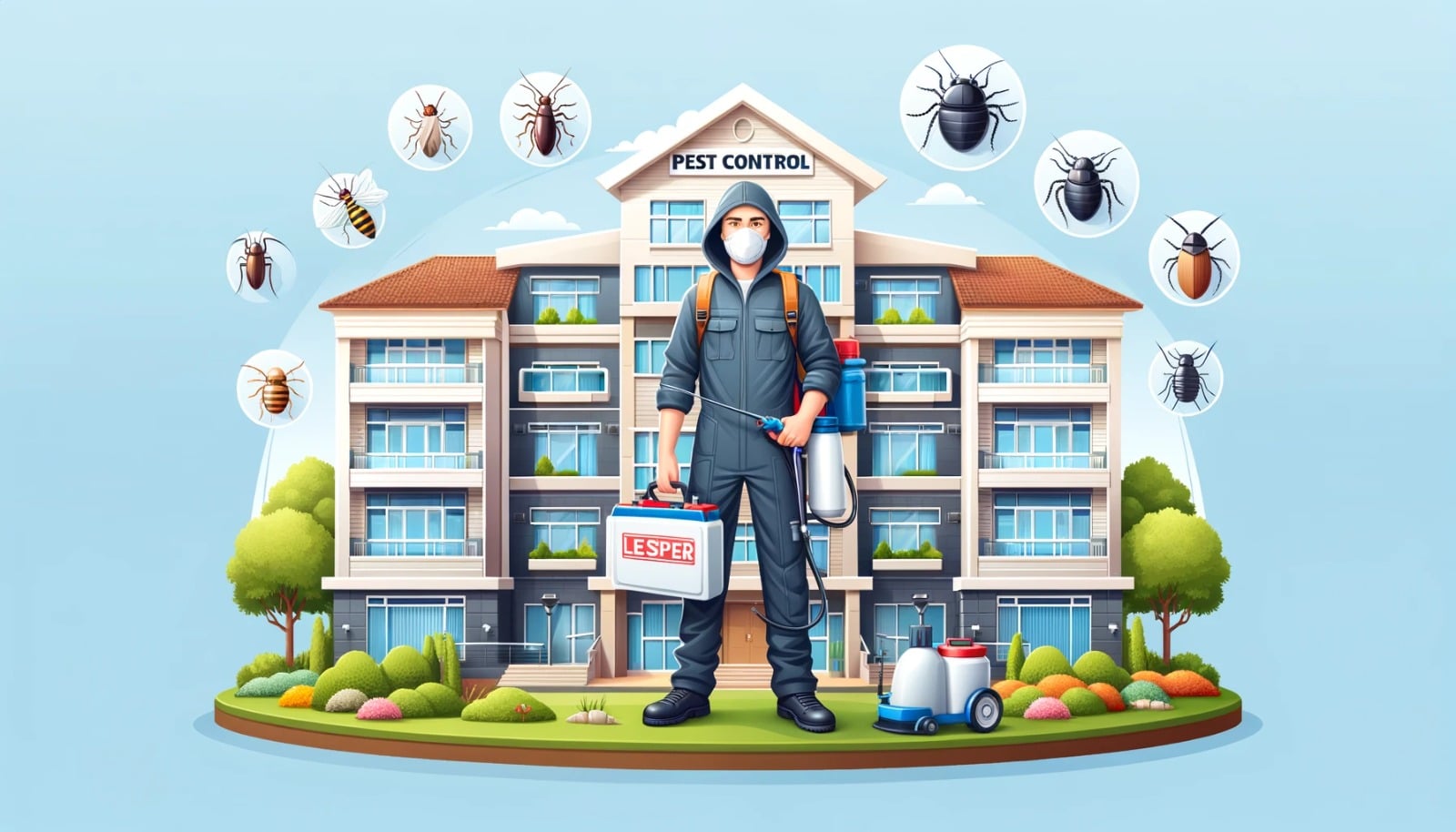
A pest issue rarely shows up at a convenient time. It surfaces late at night. Over a holiday weekend. Right before a property tour. And when it does, waiting until Monday morning is not a strategy. It is a liability.
Twenty four hour pest control exists for this exact reason. It is not simply a company that answers the phone after business hours. It is a structured emergency response system designed to assess, contain, and begin resolving infestations at any time of day. For property managers, this capability shifts pest control from a reactive maintenance task into a risk management function.
The growth of the pest control industry underscores this shift. According to the National Pest Management Association, the U.S. pest control industry generated 12.654 billion dollars in service revenue in 2024, reflecting nearly 8 percent growth from the previous year. At the same time, industry projections estimate the market will reach approximately 26.1 billion dollars in 2025, with more than 32,000 active pest control companies operating nationwide. Demand is not slowing. Expectations are rising.
Understanding what 24 hour pest control truly entails is the first step toward using it strategically rather than reactively.
Definition and Scope of 24/7 Services
Twenty four hour pest control refers to professional pest management services that provide on call response at any time, including nights, weekends, and holidays. The defining feature is not simply availability, but rapid mobilization. A qualified technician is dispatched promptly to assess the situation, identify the pest, determine the level of risk, and initiate containment measures.
Scope matters here. Emergency services typically include rodents, cockroaches, bed bugs, wasps, wildlife intrusions, and other pests that pose immediate health, safety, or structural concerns. The goal is not always to complete full eradication in one visit. In many cases, the first response stabilizes the issue and prevents escalation while a comprehensive treatment plan is developed.
For property managers overseeing apartments, the difference between same day containment and a three day delay can determine whether a situation remains localized or spreads across multiple units. Speed controls exposure. Speed protects reputation. Speed protects assets.
How 24-Hour Response Differs from Standard Pest Control
Standard pest control operates on scheduled appointments. Technicians visit on a recurring basis for preventative treatments, inspections, and routine maintenance. This model works well for ongoing control and monitoring. It is not designed for emergencies.
Twenty four hour response prioritizes urgency over routine. Calls are triaged immediately. Technicians arrive prepared for active infestations, not just preventative spraying. The mindset is different. The equipment load out is different. The communication flow is different.
Consider a resident reporting scratching noises in the walls at midnight. A standard service may schedule a visit two or three days later. A 24 hour provider evaluates the potential rodent intrusion immediately, reducing the risk of further damage, contamination, and resident distress. The same applies to bed bug discoveries, which can spread quickly if not isolated and treated promptly.
Emergency response also demands coordination. Property managers must communicate clearly with residents, maintenance teams, and ownership groups. A capable 24 hour pest control partner understands this dynamic and supports it with structured reporting and follow up documentation.
Common Situations That Require Immediate Action
Certain pest scenarios simply cannot wait. A wasp nest near a building entrance presents an immediate safety risk. A rodent sighting in a common area signals potential contamination. A bed bug report in one unit requires swift containment to prevent migration.
Bed bugs, in particular, remain a persistent issue in multifamily housing. More than 82 percent of pest control professionals reported treating bed bugs in the past year, with infestations especially common in apartments and condominiums. These environments involve shared walls, high turnover, and frequent movement of personal belongings. Delay increases spread.
Rodents bring their own urgency. They chew wiring, contaminate surfaces, and reproduce rapidly. Wildlife intrusions, such as raccoons in attic spaces, can compromise structural elements and insulation. In each case, time is not neutral. It works against you.
Immediate response is not about overreacting. It is about recognizing that certain pest events carry compounding consequences if left unattended.
Why Property Managers Need 24-Hour Pest Control
Pest control is no longer a background maintenance line item. It is directly tied to resident satisfaction, retention rates, and asset preservation. The financial growth of the pest control industry reflects a broader shift in awareness. Property stakeholders are investing more because the cost of inaction is higher.
The presence of more than 32,000 pest control companies nationwide also signals a competitive marketplace. Providers are expanding service offerings, investing in technology, and refining response capabilities. Property managers who rely solely on basic scheduled treatments may find themselves underprepared when emergencies arise.
Twenty four hour service acts as a safety net. It protects operational continuity and brand perception. And in a review driven market, perception carries weight.
Impact of Pests on Tenant Satisfaction and Retention
Residents do not separate pest issues from overall property quality. A single visible infestation can overshadow months of positive experiences. Word travels quickly within buildings. Online reviews amplify dissatisfaction.
When a resident reports a pest issue, their primary concern is responsiveness. They want to know the matter is taken seriously and addressed immediately. A delayed response often feels dismissive, even if it is unintentional.
Fast intervention demonstrates professionalism. It reassures residents that management prioritizes their comfort and safety. Over time, this builds trust. Trust supports retention. And retention stabilizes occupancy rates and revenue streams.
Ignoring or postponing pest concerns risks more than inconvenience. It risks long term reputation damage that is difficult and expensive to repair.
Health, Safety & Legal Responsibilities
Pests introduce health considerations that extend beyond discomfort. Rodents can contaminate food preparation areas. Cockroaches can trigger allergies and asthma. Bed bugs, while not known for transmitting disease, cause significant stress and sleep disruption.
Property managers carry a responsibility to maintain habitable conditions. While specific regulations vary by jurisdiction, the expectation of safe living environments remains consistent. Delayed pest response can expose properties to complaints, disputes, and potential claims.
A 24 hour pest control framework helps mitigate these risks. Rapid assessment and documented action demonstrate diligence. They show that management responded promptly and appropriately. That documentation becomes essential should questions arise later.
Proactive response is not simply about solving a problem. It is about protecting the organization.
Avoiding Damage to Property Assets
Beyond health concerns, pests threaten physical assets. Termites compromise structural integrity. Rodents chew insulation and electrical wiring. Wildlife nesting in attics damages ventilation systems and roofing components.
These repairs are rarely minor. Electrical damage can escalate into fire hazards. Moisture intrusion from damaged roofing can lead to mold growth and extensive remediation costs. What begins as a small intrusion can become a capital expenditure.
Twenty four hour pest control limits the window during which pests can cause damage. Early containment often reduces the scale and cost of repairs. For property managers overseeing multiple buildings, this translates into measurable savings over time.
Asset preservation is a core management objective. Pest control, when treated strategically, supports that objective directly.
Types of Pests Covered by 24-Hour Services
Not every pest situation qualifies as an emergency. But many do. The distinction is not always about how alarming the pest appears at first glance. It is about how quickly the problem can escalate, how easily it spreads, and what level of health or property risk it presents.
Twenty four hour pest control services are designed to address high impact scenarios across several major pest categories. For property managers, understanding which pests typically require urgent response allows for faster triage and smarter decision making. It also ensures residents receive clear, confident communication when issues arise.
Rodents (Rats, Mice)
Rodents rarely travel alone. If one rat or mouse is visible, there are often more hidden within walls, ceilings, or utility spaces. They reproduce quickly, contaminate surfaces, and chew through materials that were never meant to be chewed.
Electrical wiring is a common casualty. Insulation becomes nesting material. Food storage areas can be compromised within hours. For apartments with shared walls and mechanical systems, a single rodent issue can move across units rapidly.
Emergency response for rodents focuses first on containment. Entry points must be identified. Active pathways need to be interrupted. Trapping and exclusion strategies begin immediately to stop further intrusion. Waiting several days before action increases the risk of spread and multiplies repair costs.
In multifamily properties, rodent sightings in common areas create immediate reputational risk. Residents interpret visible rodents as a signal of poor management, even if the issue originated from an isolated source. Rapid response protects both perception and infrastructure.
Insects (Ants, Cockroaches, Bed Bugs, Termites)
Insects present a different kind of urgency. Some infestations move quickly. Others operate quietly until significant damage has already occurred.
Cockroaches are particularly concerning in shared housing environments. They are resilient, adaptable, and closely associated with sanitation concerns. A single reported sighting can quickly evolve into multiple complaints if not addressed immediately.
Ant infestations may seem minor at first. However, certain species establish extensive colonies that require structured treatment plans. Quick identification determines whether the issue is cosmetic or structural.
Bed bugs remain one of the most disruptive pests in apartments. More than 82 percent of pest control professionals reported treating bed bugs in the past year, and infestations are especially common in apartments and condominiums. These environments naturally involve shared walls, frequent move ins and move outs, and close living quarters. Delay allows bed bugs to migrate between units, complicating treatment and increasing cost.
Termites present a quieter but equally serious threat. They do not always trigger resident complaints right away. Instead, they undermine structural wood over time. When termite activity is discovered, immediate professional evaluation is essential to limit structural damage and avoid long term repair expenses.
Twenty four hour services prioritize fast assessment. Even if full eradication requires multiple treatments, the initial visit stabilizes the situation and outlines a structured remediation plan.
Wildlife & Birds
Wildlife intrusions often occur outside traditional business hours. A raccoon in an attic. A bat in a hallway. Birds nesting in ventilation openings. These scenarios create immediate safety concerns and can alarm residents quickly.
Wildlife can damage insulation, ductwork, and roofing materials. Droppings introduce sanitation issues. Noise complaints escalate fast, especially at night when buildings are otherwise quiet.
Bird infestations, particularly around rooftops and balconies, can create slip hazards and ongoing maintenance burdens. Nests block drainage systems. Accumulated droppings accelerate surface deterioration.
Emergency wildlife response typically focuses on humane removal, exclusion, and securing entry points. For property managers, the priority is restoring safety and calm. A visible wildlife issue can create anxiety across the building. Quick resolution demonstrates control and professionalism.
Seasonal or Location-Specific Pest Issues
Pest pressure shifts with climate and geography. In colder regions, rodent intrusions increase during fall and winter as animals seek warmth. In warmer climates, ant and cockroach activity may remain constant year round. Coastal properties may encounter unique bird challenges. Suburban developments near wooded areas often experience higher wildlife activity.
Seasonality matters because it influences urgency. During peak seasons, infestations can spread more aggressively. A delay during high activity periods can overwhelm standard maintenance protocols.
Local knowledge becomes critical. A competent 24 hour pest control provider understands regional pest cycles and anticipates surges in demand. This preparedness shortens response times and improves containment outcomes.
For property managers, recognizing these patterns allows for better planning. Emergency services are not merely reactive tools. When paired with seasonal awareness, they become part of a broader risk mitigation strategy.
Core Benefits of 24-Hour Pest Control
Twenty four hour pest control is not simply an operational convenience. It is a structural advantage. When response capability exists at all hours, risk shrinks. Escalation slows. Control returns to management instead of shifting to circumstance.
The benefits are practical, financial, and reputational. They show up in lower repair invoices, fewer complaints, and calmer conversations with residents. Over time, they compound.

Faster Resolution and Reduced Infestation Spread
Pests thrive in silence and delay. The longer they operate without interruption, the more complex and expensive the solution becomes. Immediate intervention shortens that window dramatically.
A rodent issue caught within hours is contained to a limited area. The same issue left unattended for days can migrate through walls, ceilings, and shared utility lines. Bed bugs, in particular, spread rapidly between adjacent apartments when not isolated early.
Twenty four hour response compresses the timeline. The technician assesses, identifies, and initiates treatment before the infestation gains momentum. Even if full eradication requires multiple visits, early containment limits the footprint.
Speed, in pest control, is leverage.
Reducing Resident Complaints and Maintenance Burden
Every pest complaint triggers a chain reaction. Calls are logged. Staff investigate. Maintenance teams are redirected. Follow up conversations multiply.
Without emergency capability, that chain stretches across days. Frustration builds. Residents repeat their concerns. Staff spend more time managing emotion than solving the root problem.
Immediate escalation simplifies the workflow. The issue moves quickly from report to professional intervention. Property teams regain bandwidth to focus on scheduled maintenance and operational priorities.
Fewer prolonged complaints also reduce reputational risk. In multifamily environments, perception spreads faster than pests. When residents see decisive action, the narrative changes from problem to professionalism.
Minimizing Property Damage
Physical damage rarely appears overnight. It develops quietly while problems are ignored.
Rodents chew through insulation and electrical wiring. Wildlife compromise roofing materials and attic structures. Termites undermine wood framing from within. What begins as a small breach can evolve into structural repair.
Emergency response limits that progression. Early identification of entry points allows for rapid exclusion. Active infestations are interrupted before damage compounds.
The financial logic is straightforward. A same night service call is modest compared to rewiring sections of a building or replacing water damaged materials after wildlife intrusion. Asset protection is not theoretical. It is measurable.
Enhancing Tenant Peace of Mind
Peace of mind is rarely discussed in operating budgets, yet it directly affects retention.
Residents want to feel secure in their living environment. When pest issues arise, the emotional reaction often exceeds the physical impact. Anxiety spreads quickly, especially in shared buildings.
Knowing that management has twenty four hour support changes the dynamic. Reports are acknowledged promptly. Technicians arrive without delay. Updates are communicated clearly.
Even when the issue itself is unpleasant, the handling of it reinforces confidence. Residents judge management not by the absence of problems, but by the quality of response.
Cost & Pricing Expectations
Emergency services carry a premium. They require on call staffing, flexible routing, and immediate dispatch. For property managers, understanding how pricing works removes uncertainty and supports budgeting discipline.
Typical Emergency or After Hours Pricing
After hours visits typically include a service call fee that exceeds standard daytime rates. This reflects technician availability outside regular schedules and the urgency of response. In many markets, emergency visits can range from moderately higher than routine service to significantly higher, depending on time and severity.
However, focusing only on the immediate fee misses the larger picture. The cost of delay often surpasses the cost of emergency response. A contained issue is less expensive than a prolonged infestation requiring multiple unit treatments, structural repairs, and potential vacancy losses.
Sophisticated property managers view emergency pricing through a risk management lens. The question is not whether it costs more. The question is what it prevents.
Variables That Affect Cost
Several variables influence the total expense of a twenty four hour intervention. Pest type is primary. Termite treatments differ significantly from rodent exclusion. Bed bug remediation requires a more intensive and structured approach than ant control.
Severity also plays a role. A single wasp nest at an entry point is different from an established rodent colony in wall cavities. Geographic location matters as well. Urban markets with higher labor costs and denser service demand may command higher rates than smaller regions.
Property configuration can influence pricing. High rise buildings with controlled access require different logistics than garden style apartments. The complexity of entry, coordination, and follow up all factor into the final cost structure.
Transparency from providers is essential. Clear estimates, defined scope of work, and documented follow up plans reduce surprises and build long term trust.
Budgeting for Property Level Pest Control
Forward thinking property managers rarely treat pest control as an unpredictable expense. Instead, they incorporate it into annual operating budgets with both preventative and emergency allocations.

Portfolio level budgeting allows for smoother financial planning. Rather than reacting to each event as a standalone cost, managers anticipate a baseline of pest activity based on historical data and regional trends. Emergency reserves are built into projections.
Some operators negotiate blended agreements with providers that include a set number of emergency visits within a broader contract. This approach stabilizes cash flow and avoids repeated premium billing.
The key is consistency. When pest control budgeting aligns with operational strategy, emergencies feel managed rather than disruptive.
Choosing a 24-Hour Pest Control Provider
Availability alone does not qualify a vendor. A credible twenty four hour provider operates with structure, compliance, and accountability.
Licensing, Certifications & Insurance Requirements
Every provider should hold appropriate state and local licenses. Pest control involves regulated substances and application standards. Verification is not optional. It is foundational.
Certifications signal professionalism and training depth. Technicians must understand pest biology, treatment protocols, and safety procedures. For property managers, documentation of insurance coverage is equally critical. General liability and workers compensation policies protect both parties in the event of incident.
Due diligence at onboarding prevents complications later. It also sets expectations for performance and communication.
Service Guarantees and Follow Up Policies
Emergency response should not end with a single visit unless the issue is fully resolved. Reputable providers outline follow up steps clearly. This may include return inspections, additional treatments, or monitoring.
Service guarantees vary, but clarity is essential. Property managers should understand what is covered, what triggers additional charges, and how long treatments remain under warranty.
Structured follow up reduces recurrence risk. It also demonstrates commitment beyond immediate containment.
Response Time Expectations & SLA Standards
Twenty four hour availability must translate into defined response time commitments. Without service level agreements, availability becomes ambiguous.
Clear benchmarks establish accountability. For example, response within a certain number of hours for high priority cases. Written SLAs formalize expectations and provide measurable standards.
Tracking response performance over time reveals reliability. Consistent punctuality builds confidence. Inconsistent dispatch erodes it quickly.
Vendor Vetting Checklist for Property Managers
Thorough vetting includes reference checks, review of reporting systems, confirmation of emergency dispatch protocols, and evaluation of communication processes. Providers should offer detailed service reports after each visit, documenting findings and corrective actions.
It is also wise to assess scalability. Can the vendor handle multiple simultaneous incidents across a portfolio. Do they have sufficient staffing depth during peak seasons.
The goal is partnership, not transaction. A strong provider integrates into property operations rather than operating at the margins.
Preventative Strategies Beyond Emergency Response
Emergency capability is vital. Prevention is strategic. The most effective pest management programs combine rapid response with structured prevention.
Routine Inspections and Monitoring
Scheduled inspections form the backbone of proactive pest control. Technicians identify vulnerabilities before infestations develop. Entry points are sealed. Moisture issues are flagged. Sanitation gaps are addressed.
Technology is transforming this process. IoT enabled monitoring systems now allow continuous detection of pest activity. Real time alerts notify operators of rodent movement or trap activation without waiting for manual inspection cycles. These systems reduce blind spots and improve response precision.
For properties with sensitive areas such as trash rooms, mechanical spaces, or food preparation zones, continuous monitoring adds an additional layer of oversight.
Integrated Pest Management Explained
Integrated Pest Management, often referred to as IPM, represents a structured approach that prioritizes prevention, monitoring, and targeted treatment over routine blanket chemical application.
IPM programs focus on identifying root causes. Entry points are sealed. Environmental conditions are modified. Chemical treatments are used strategically and sparingly. Research consistently shows that IPM reduces overall chemical use while improving long term effectiveness and safety.
For property managers, IPM aligns well with sustainability goals and resident expectations. It demonstrates thoughtful management rather than reactive spraying.
Tenant Education and Reporting Protocols
Even the strongest pest control program depends on timely reporting. Residents must know how and when to communicate concerns. Clear channels reduce delay.
Education does not require lengthy manuals. Simple guidance on food storage, trash disposal, and early reporting makes a meaningful difference. When residents understand that early notification leads to faster resolution, participation improves.
Standardized internal reporting protocols also streamline response. Maintenance teams should know how to escalate pest issues quickly and document findings consistently.
Seasonal Maintenance Plans
Seasonal shifts influence pest behavior. Fall often brings increased rodent pressure. Spring may trigger ant activity. Warmer months can intensify insect populations.
Structured seasonal plans anticipate these cycles. Preventative treatments are scheduled ahead of peak periods. Exterior inspections increase before winter. Wildlife exclusion measures are reinforced during migration seasons.
This forward planning reduces emergency volume. It transforms pest control from crisis management into disciplined operational planning.
Contract Options for Property Managers
How pest control services are structured contractually affects both cost predictability and service consistency.
One Off Emergency Calls vs Annual Contracts
Relying solely on one off emergency calls creates unpredictability. Costs fluctuate. Response priority may vary. Historical data may be fragmented.
Annual contracts provide continuity. Providers become familiar with property layouts, historical problem areas, and resident patterns. This familiarity improves efficiency and treatment accuracy.
While emergency only arrangements may appear flexible, they often lack the depth of integrated service planning.
Pest Control Subscription Models
Subscription models are gaining traction. These arrangements bundle routine inspections, preventative treatments, and defined emergency response into a single recurring fee.
For property managers, subscriptions simplify budgeting and vendor management. Instead of approving individual service invoices repeatedly, expenses are consolidated and predictable.
Subscription structures also incentivize providers to reduce infestation frequency. Fewer emergencies benefit both parties.
What to Include in Property Management Agreements
Clear contracts should define scope of services, response times, reporting requirements, pricing structures, renewal terms, and termination clauses. Emergency response protocols must be explicitly outlined.
Documentation standards should also be specified. Detailed reports support compliance, budgeting, and performance tracking.
Ambiguity in contracts often leads to conflict. Precision prevents misunderstanding.
Cost Benefit of Preventative vs Reactive Pest Control
Reactive pest control addresses visible problems. Preventative programs reduce the likelihood of those problems emerging at all.

When analyzed over time, preventative strategies typically produce lower total costs. Fewer emergencies. Less property damage. Reduced resident turnover linked to pest dissatisfaction.
The decision is not binary. The most resilient properties combine preventative planning with reliable emergency response. Together, they create a layered defense that protects both revenue and reputation.
Safety Considerations & Compliance
Emergency pest control must balance urgency with responsibility. Fast action is important, but it cannot come at the expense of safety or regulatory standards. For property managers, structured compliance protects residents, staff, and the organization itself.
Clear protocols ensure that even after hours interventions are handled with the same discipline as scheduled services.
Safe Practices for Residents, Staff, and Pets
Licensed technicians assess occupancy, ventilation, and environmental conditions before treatment begins. In apartments, where air systems and walls are shared, that evaluation is essential.
Residents should receive direct instructions about access, temporary precautions, and reentry timing if needed. Clarity prevents confusion and reduces risk.
Staff should never attempt specialized pest treatments beyond their training. Their role is coordination, not chemical application or wildlife removal.
Pets must also be considered. Proper communication ensures animals are secured and protected during service visits.
Regulatory and Local Compliance for Treatments
Pest control is regulated at the state and local level. Providers must hold current licenses and certifications for the services they perform. Verification should be standard practice before engagement.
Certain jurisdictions require notice procedures for multi unit properties, even during urgent situations. Emergency status does not eliminate compliance obligations.
A reputable twenty four hour provider maintains regulatory standards regardless of timing. That consistency shields the property from unnecessary liability.
Documentation and Reporting Best Practices
Every emergency visit should generate a written service report. This report should outline findings, treatment methods, and recommended follow up steps.
Incident logs should track report time, response time, and resolution timeline. Over time, this data helps identify recurring patterns and informs preventative planning.
Clear documentation also supports internal reporting to ownership groups and asset managers. When records are organized and complete, accountability becomes straightforward.
Safety and compliance are not administrative burdens. They are operational safeguards that protect long term stability.
How to Handle a Pest Emergency (Step-by-Step)
When a pest emergency surfaces, the first few hours set the tone. Panic helps no one. Structure solves problems.
Initial Identification and Triage
The moment a report is received, gather specific information. What was seen. Where it was seen. When it occurred. Was there physical evidence such as droppings, damage, or bites. The more precise the intake, the more efficient the response.
Not every sighting requires full scale emergency dispatch. A single ant on a windowsill differs from visible rodent activity in a shared hallway. Triage involves assessing severity, potential health risk, and likelihood of spread. When in doubt, escalate. It is better to respond quickly than to underestimate.
Internal coordination follows. Maintenance teams should be informed immediately, especially if access to mechanical rooms, attics, or utility spaces may be required. A streamlined internal alert process prevents delays.
Time is a factor, but clarity is equally important. Accurate identification accelerates effective treatment.
Tenant Communication Templates
Communication during a pest emergency must be calm, factual, and direct. Residents want reassurance that the issue is being addressed professionally. Overly technical explanations create confusion. Vague responses create anxiety.
Standardized communication templates help property teams respond quickly and consistently. A simple acknowledgment of the report, confirmation that a licensed technician has been scheduled, and a general timeline for next steps are often sufficient in the early stage.
If multiple units may be affected, proactive outreach is advisable. Informing residents before rumors spread preserves trust. Transparency, handled professionally, strengthens credibility.
Documentation of communication is also important. Keeping records of notices, emails, and follow up messages ensures there is a clear history of response.
What to Do While Waiting for the Technician
The period between report and technician arrival should not be idle. Certain interim steps can reduce risk without interfering with professional treatment.
If rodents are suspected, limit access to food sources and ensure trash areas are secured. If insects are involved, avoid over the counter chemical applications that could disrupt professional treatment plans. If wildlife has entered a structure, isolate the affected area if possible and discourage residents from attempting removal themselves.
Safety remains the priority. Staff should not attempt specialized interventions beyond their training. The role of the property team is containment and coordination, not extermination.
Clear instructions to residents reduce impulsive actions. When people understand that professional help is on the way, they are less likely to experiment with ineffective solutions.
Measuring Success & Reporting Outcomes
Emergency response is only part of the equation. Long term success requires measurement. Without data, improvement becomes guesswork.
KPIs for Pest Control Programs
Key performance indicators provide structure. Common metrics include total incident volume, average response time, recurrence rate within a defined period, and treatment resolution timelines.
Tracking these indicators reveals patterns. Are rodent calls increasing during certain months. Are specific buildings experiencing repeated issues. Are response times meeting agreed standards. Data turns anecdote into actionable insight.
Financial metrics also matter. Comparing emergency expenditures year over year highlights whether preventative strategies are reducing reactive costs. Over time, this informs budgeting decisions and contract negotiations.
Tracking Incident Frequency & Response Times
Incident frequency alone does not tell the full story. A property that encourages early reporting may record more incidents initially, yet experience fewer severe infestations.
Response time is equally revealing. Measuring the interval between report and technician arrival demonstrates whether service level agreements are being honored. Consistent delays signal a need for vendor review.
Digital tracking systems simplify this process. Many providers now supply online dashboards where property managers can view open cases, treatment history, and trend data in real time. This transparency supports proactive management.
Patterns uncovered through tracking often guide preventative planning. If a specific wing of a building shows recurring activity, structural vulnerabilities can be investigated more closely.
Resident Satisfaction and Complaint Metrics
Ultimately, pest control performance is reflected in resident sentiment. Formal surveys, online reviews, and direct feedback all provide insight into how well issues are handled.
A swift and professional response can turn a potentially negative event into a demonstration of competence. Conversely, slow or unclear handling amplifies dissatisfaction.
Monitoring complaint volume related specifically to pest issues helps isolate trends. If overall satisfaction scores dip alongside increased pest reports, correlation becomes clear.
The objective is not perfection. Pests exist in every region and building type. The objective is responsiveness, transparency, and consistent improvement. When emergency response is integrated with preventative strategy, clear communication, and disciplined tracking, pest management becomes a controlled operational function rather than a recurring crisis.
And when it reaches that point, it quietly supports everything else a property manager is trying to protect.