Termites rarely announce themselves. They do not rattle pipes or trip alarms. They work quietly, steadily, and often for years before anyone realizes what is happening behind the walls. By the time visible damage appears, the repair bill is already written.
For property managers, this is not a minor nuisance. It is a structural risk that can quietly erode asset value. In North America alone, termites are responsible for more than five billion dollars in property damage each year. That number reflects one simple truth. Most infestations begin long before anyone recognizes the early warning signs.
Understanding what causes termites is not about curiosity. It is about control. When you know what attracts them and what conditions allow them to thrive, you shift from reacting to damage to preventing it altogether.
Why Property Managers Need to Understand Termite Causes
Termite damage is rarely dramatic at first. It is incremental. Subtle. Hidden inside framing, floor joists, and support beams. That is exactly why it becomes expensive.
When a property manager understands what causes termites, prevention becomes a system rather than a guess. Moisture control plans become sharper. Maintenance inspections become more intentional. Landscaping decisions become strategic instead of aesthetic alone.
There is also the financial reality. Repairing structural wood, subfloors, and support components can quickly escalate into six figure restoration projects across larger apartment communities. Early prevention costs a fraction of remediation. The math consistently favors proactive management.
Beyond cost, there is reputation. Residents expect safe, well maintained living spaces. Structural damage that becomes visible undermines confidence quickly. Understanding termite causes is not simply pest awareness. It is asset protection and operational discipline.
Termite Basics Every Property Manager Should Know
Before discussing causes, it helps to understand the organism itself. Termites are not random invaders. Their behavior is consistent. Their needs are simple. And their success depends entirely on environmental opportunity.

What Are Termites? Species and Behavior
Termites are social insects that feed primarily on cellulose, the organic fiber found in wood and plant material. Globally, more than three thousand termite species have been identified. Roughly one hundred eighty three of those are considered structural pests. Only a smaller subset causes significant building damage, but those few are highly efficient.
Their feeding behavior is strategic. Termites consume wood from the inside out. The outer surface may look intact while the internal structure has been hollowed. This is why infestations often remain undetected for extended periods.
They also avoid light and open air. Exposure increases their risk of dehydration and predation. As a result, termites construct protective tunnels or remain inside wood as they feed. Concealment is part of their survival design.
From a property standpoint, this behavior creates a dangerous combination. Continuous feeding. Hidden activity. Delayed detection.
Lifecycle and Colony Structure
Termites operate within a highly organized colony system. Each colony has a queen whose primary role is reproduction. In mature colonies, a queen can produce thousands of eggs per day. That reproductive capacity allows infestations to grow steadily without visible disruption.
Worker termites handle feeding and tunnel construction. They are responsible for the actual structural damage inside buildings. Soldiers defend the colony from threats. Reproductive termites, often called swarmers, eventually leave the colony to start new ones.
Colony growth is gradual but persistent. A small initial colony can expand significantly over several years. During that time, feeding continues without interruption. For property managers, this means that a seemingly minor issue can compound quietly.
Understanding the colony structure explains why localized treatment without broader inspection can fall short. Termites are not isolated insects. They are part of a coordinated, expanding system.
Why Termites Target Buildings and Structures
Termites do not target buildings because they prefer construction materials. They target them because buildings replicate natural conditions. Wood framing offers a reliable food source. Soil around foundations provides access. Interior spaces offer stable temperatures year round.
Moisture plays a central role. Many termite species require consistent humidity to survive. Buildings with leaks, condensation, or poor drainage create ideal conditions. Even small amounts of chronic moisture can sustain colony expansion.
Structures also eliminate environmental threats. Inside walls and beneath flooring, termites are shielded from predators and weather extremes. The protection of modern construction becomes an advantage for them.
In short, buildings offer three essentials. Food. Moisture. Shelter. When those elements align, termite activity becomes far more likely.
Core Causes of Termite Infestations
Termite infestations do not happen randomly. They develop when certain environmental and structural conditions overlap. Understanding these causes allows property managers to identify risk zones before colonies establish themselves.
Moisture and Water Issues
Moisture is one of the strongest predictors of termite activity. Leaking roofs, plumbing failures, clogged gutters, and poor drainage around foundations all contribute to elevated humidity levels. Even minor, slow leaks can create damp wood conditions that attract termites.
Crawlspaces are particularly vulnerable. Without proper ventilation or vapor barriers, humidity builds and wood components absorb moisture over time. Termites are highly sensitive to these micro environments.
Standing water near foundations also increases risk. Saturated soil provides the ideal travel medium for subterranean species. The connection between soil moisture and structural entry is direct.
Moisture control is not simply maintenance. It is termite prevention at its most fundamental level.
Wood and Cellulose Sources
Termites feed on cellulose. Any accessible source becomes a potential food supply. Structural framing is obvious, but it is not the only concern.
Mulch placed directly against foundations retains moisture and contains organic material. Stacked firewood near exterior walls creates an easy bridge from soil to structure. Even cardboard storage in basements can contribute to localized attraction.
Construction debris left in crawlspaces or around the perimeter of buildings is another overlooked factor. Scrap wood in contact with soil becomes an entry gateway.
The principle is simple. The more accessible cellulose around a structure, the more likely termites will explore it.
Structural Vulnerabilities
Buildings settle over time. Concrete develops hairline cracks. Expansion joints separate slightly. Utility penetrations leave small gaps around pipes and conduits.
To a property manager, these may seem minor. To termites, they are access points. Subterranean species can enter through openings as small as a fraction of an inch.
Once inside, they move upward through wall cavities or floor systems. The initial breach is often invisible from the exterior.
Routine structural inspections that focus on sealing and gap management significantly reduce entry risk. Ignoring small vulnerabilities can compound over time.
Landscaping Factors
Landscaping decisions directly influence termite exposure. Soil that remains damp because of heavy irrigation increases risk. Dense plantings against exterior walls restrict airflow and trap moisture.
Trees with roots extending toward foundations create additional pathways through soil. Wooden fencing attached directly to buildings forms uninterrupted bridges.

Mulch depth also matters. Thick layers hold moisture close to the structure and conceal termite activity.
Thoughtful landscaping design balances aesthetics with risk mitigation. Small adjustments in spacing and drainage can make a measurable difference.
Geographic and Climate Influences on Termite Risk
Location plays a significant role in termite pressure. Warm climates with high humidity naturally support larger termite populations. Regions with mild winters allow colonies to remain active year round.
Soil composition also matters. Sandy or loamy soils often support easier tunneling for subterranean species. Urban density can increase pressure as colonies migrate between properties.
While geography cannot be changed, awareness can guide inspection frequency and prevention strategies. In higher risk regions, vigilance must increase accordingly.
How Termites Get Into Properties
Understanding what causes termites is only half the equation. The other half is understanding how they physically enter a building. Entry is rarely dramatic. It is quiet, calculated, and often invisible to the untrained eye.
Soil Contact and Foundation Entry Points
For subterranean termites, the soil is home base. Colonies live underground and travel outward in search of food. When a building sits directly on soil, the distance between colony and structure is almost nothing.
These termites build mud tubes to move from the soil to wood framing. The tubes protect them from air and light while preserving moisture. A small crack in the foundation is all they need to begin that journey.
Foundation walls, slab joints, and tiny expansion gaps often serve as gateways. Even well constructed buildings can develop hairline fractures over time. Termites exploit those openings with precision.
Once inside, they move upward through wall cavities and structural supports. The entry point may be at ground level, but the damage can appear floors above.
Wood to Soil Bridges
Direct wood to soil contact is one of the clearest risk factors in any property. Porch posts embedded directly in soil. Deck supports without proper barriers. Siding that extends below grade. These are not cosmetic details. They are invitations.
Termites do not need to search far when wood touches soil. They simply move from their colony into the structure without building visible tubes. The transition is seamless.
Even landscaping timbers or decorative wooden borders placed against the foundation can create hidden bridges. Over time, moisture and soil contact soften the wood, making it even more attractive.
Separating wood components from soil is a simple concept. Yet in many apartments, minor oversights in exterior design create consistent access points.
Building Penetrations and Utility Access
Every building has penetrations. Plumbing lines. Electrical conduits. HVAC connections. These entry points are necessary for function, but they often leave small gaps.
If those gaps are not properly sealed, termites can travel alongside pipes and wiring. The openings may be only a fraction of an inch wide. For termites, that is enough.
Utility chases that connect crawlspaces to interior walls create vertical highways. Once termites reach these channels, they can spread quietly between floors.
Regular inspections around utility penetrations are often overlooked because they appear sealed at a glance. A closer look frequently tells a different story.
Seasonal Swarming and Reproductive Flights
Swarming season changes the dynamics of infestation. Reproductive termites, often called swarmers, leave established colonies to start new ones. This usually occurs during warm, humid periods.
Swarmers are attracted to light. Residents may notice them near windows or light fixtures. Many die quickly, but a small percentage successfully establish new colonies in suitable environments.
A swarming event near a property does not automatically mean infestation inside. However, it signals active colonies nearby. If moisture and wood sources are available, the risk increases.
For property managers, swarming season is not just a seasonal curiosity. It is an early warning signal that conditions should be evaluated carefully.
Termite Types and Different Cause Patterns
Not all termites behave the same way. The causes behind an infestation often depend on the species involved. Subterranean termites account for the largest share of termite activity in the market, representing more than sixty four percent of control demand. Their prevalence alone makes them a primary concern.
Understanding species differences allows property managers to align prevention strategies more effectively.
Subterranean Termite Behavior and Causes
Subterranean termites rely heavily on soil contact and moisture. Their colonies can contain hundreds of thousands of individuals. They forage continuously, moving outward from the colony in search of cellulose.
Because they require moisture, water issues become the central cause of infestation. Leaking pipes, damp crawlspaces, and poor grading around foundations create the conditions they need.
They are also highly adaptive. Even treated soil barriers can be bypassed if cracks or gaps exist. This persistence explains their dominant share in termite control services.
When moisture and soil access combine, subterranean termites respond quickly. Their activity is not random. It follows environmental opportunity.
Drywood Termite Traits and Attracting Factors
Drywood termites operate differently. They do not require soil contact. Instead, they infest dry, sound wood directly.
They often enter through small cracks in siding, rooflines, or attic vents. Once inside, they establish colonies within the wood itself. Because they live entirely within the wood they consume, their presence can remain hidden for extended periods.
Poorly sealed exterior joints and aging wood components increase risk. Structures in warm climates are particularly vulnerable.
For apartments with wooden trim, fascia boards, or exposed framing, drywood termite prevention requires close attention to exterior sealing and routine inspection.
Dampwood Termite Conditions
Dampwood termites are closely linked to chronic moisture. They prefer wood that is already softened by water damage.
Buildings with long term leaks, decaying siding, or poorly ventilated crawlspaces create ideal environments. Unlike subterranean termites, dampwood species are often associated with visible moisture problems.
Their presence is often a symptom of a larger maintenance issue. Addressing water intrusion quickly reduces the likelihood of infestation.
While less common than subterranean termites, dampwood infestations signal that moisture management needs immediate attention.
Hidden and Lesser Known Causes
Some termite triggers are obvious. Others are subtle and easy to miss. These lesser known causes often allow infestations to develop quietly over time.
Poor Ventilation and Crawlspace Moisture
Crawlspaces can trap humidity when ventilation is inadequate. Warm air enters, cools, and condenses on wood surfaces. Over time, that moisture accumulates.
Wood that consistently absorbs humidity becomes more attractive to termites. Even without visible leaks, high humidity alone can create favorable conditions.
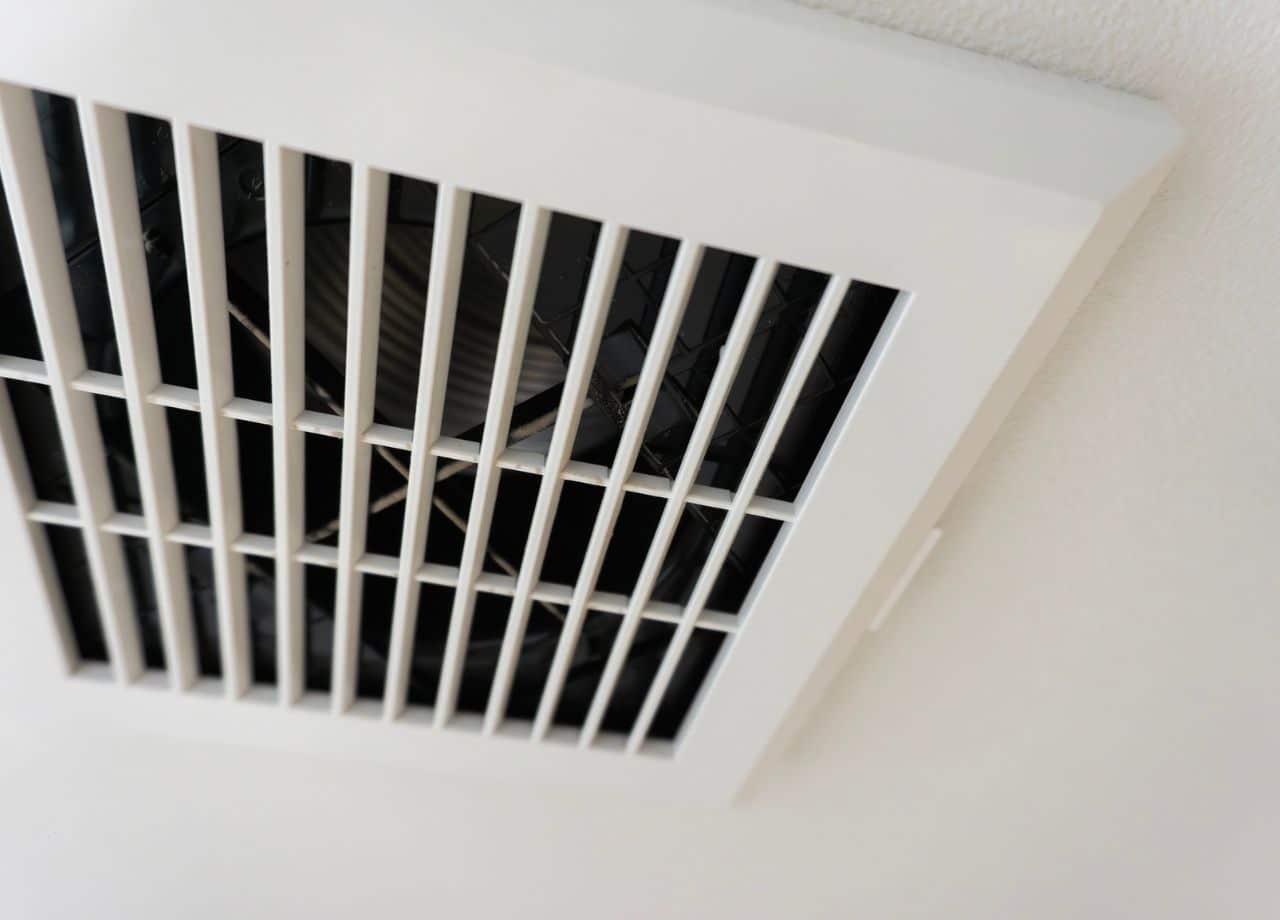
Improperly installed or damaged vapor barriers worsen the issue. Moisture rises from the soil and lingers beneath the structure.
Regular monitoring of crawlspace humidity levels can significantly reduce hidden risk.
Improper Building Materials or Untreated Lumber
During renovations or repairs, untreated lumber may be introduced into a structure. If that wood is exposed to moisture or soil contact, it becomes vulnerable.
Construction debris left behind in crawlspaces is another overlooked factor. Small pieces of wood resting on soil provide an initial feeding site. Once established, termites move toward larger structural components.
Material selection and cleanup protocols directly influence long term risk. What seems like a minor oversight during construction can become a larger issue years later.
Attention to building materials is not just about durability. It is about prevention.
Aging Foundation and Settlement Related Gaps
All buildings shift over time. Soil settles. Concrete expands and contracts. Small separations develop along foundation lines.
These settlement related gaps create entry points that were not present at the time of construction. Because they develop gradually, they often go unnoticed.
Periodic foundation inspections help identify new vulnerabilities. Sealing cracks promptly reduces exposure.
Aging structures require more vigilant monitoring. Time alone increases the likelihood of small openings forming.
Adjacent Structural Materials
Termites do not distinguish between a main building and an attached structure. Decks, pergolas, wooden fences, and storage sheds can all serve as starting points.
If these structures are connected directly to the main building, termites can travel from one to the other without visible signs.
Wooden fencing that meets the exterior wall is a common example. The fence may be infested first, then the activity progresses into the apartments.
Maintaining separation and inspecting adjacent structures regularly prevents these secondary pathways from becoming primary infestations.
Signs Termites Have Started Infesting
Termites rarely make noise. They rarely show themselves. By the time visible damage appears, they have often been active for months or even years. That is why recognizing early indicators matters.
Physical Evidence
Mud tubes are one of the clearest signs of subterranean termite activity. These narrow, soil based tunnels typically appear along foundation walls, crawlspaces, or support piers. They protect termites from air exposure while they travel between soil and wood.
Another indicator is frass, which looks like small wood colored pellets. Drywood termites push this material out of tiny openings as they tunnel inside wood. Residents may mistake it for sawdust, but it has a uniform, granular texture.
Wood that sounds hollow when tapped is also concerning. Termites eat wood from the inside out, leaving a thin surface layer intact. What appears solid may actually be structurally compromised.
Paint that bubbles or wood that appears slightly warped can signal internal feeding. These visual cues often show up long after infestation has started, which is why regular inspection remains essential.
Behavioral Clues
Swarmers are often the first visible sign of termite presence. These winged reproductive termites emerge during warm, humid conditions. When residents report flying insects gathering near windows or light fixtures, it deserves immediate attention.
Shed wings are another clue. After swarmers land, they discard their wings before attempting to establish a new colony. Small piles of translucent wings near windowsills are a red flag.
It is important to distinguish swarmers from flying ants. The difference can be subtle to the untrained eye. Prompt identification ensures the right response.
Behavioral clues are often brief. Swarming may last only a few hours. If reports come in, acting quickly can prevent escalation.
Secondary Damage Patterns
Termite damage does not always appear dramatic. Doors may begin sticking without obvious cause. Floors may feel slightly uneven. Small cracks may appear in drywall.
As internal wood weakens, structural elements shift. That shift creates visible symptoms that are easy to misattribute to settling alone.
Sagging floorboards, loose tiles, and misaligned window frames can all stem from compromised support beams. These changes are gradual but progressive.
When structural irregularities appear without clear explanation, termite inspection should be part of the diagnostic process.
Preventive Steps Property Managers Can Take
The global termite control market continues to grow, with spending projected to approach eight billion dollars within the next few years. That growth reflects a simple reality. Prevention is becoming a priority because the cost of structural repair keeps rising.
For property managers, prevention is not a single action. It is a disciplined system.
Drainage and Moisture Control Protocols
Moisture management remains the single most effective preventive strategy. Gutters must direct water away from foundations. Downspouts should extend far enough to prevent pooling near the structure.
Grading around buildings should slope gently away from the foundation. Even slight negative grading can trap water against walls and increase soil moisture.
Plumbing leaks must be addressed quickly. Small drips inside walls or beneath sinks create consistent humidity. Crawlspaces benefit from vapor barriers and adequate ventilation to reduce condensation.
When moisture stays under control, termite pressure drops significantly.
Barrier and Structural Sealing Best Practices
Sealing foundation cracks is not cosmetic maintenance. It is structural defense. Even minor openings should be filled promptly to eliminate access points.
Expansion joints and slab penetrations require periodic inspection. Sealants degrade over time. What was once secure may no longer be intact.
Weather stripping and exterior caulking around windows and doors help limit drywood termite entry. Roofline gaps and fascia boards should also be checked routinely.
A proactive sealing program reduces vulnerabilities before termites find them.
Landscaping and Property Layout Strategies
Landscaping should support airflow and dryness near exterior walls. Dense shrubs pressed tightly against siding trap moisture and conceal activity.
Mulch depth should remain moderate and not contact siding directly. Wood piles and construction debris should be stored away from buildings and elevated off the soil.
Irrigation systems should be adjusted to prevent oversaturation near foundations. Even efficient watering schedules can create excess moisture if poorly positioned.
Small design adjustments create meaningful reductions in termite attraction.
Maintenance Checklist for Recurring Inspections
Routine inspections are not optional in high risk regions. Exterior foundation walls should be checked for mud tubes and cracks. Crawlspaces should be evaluated for humidity and wood condition.
Utility penetrations deserve attention at least annually. Landscaping conditions should be reviewed seasonally, especially after heavy rainfall.

Documentation is critical. Tracking inspection findings allows trends to emerge over time. A small moisture issue identified early prevents larger structural problems later.
Consistent oversight transforms prevention from reactive to predictable.
Inspection and Monitoring Strategies
The field of termite detection continues to evolve. Research into integrated and real time monitoring systems is shifting pest management from response to anticipation.
Property managers benefit when inspection strategies are layered rather than singular.
DIY versus Professional Inspections
Visual inspections by on site teams are valuable. Maintenance staff can identify obvious mud tubes, wood damage, or moisture issues during routine work.
However, termites often remain hidden within walls and structural cavities. Professional inspections use specialized tools and trained expertise to identify subtle signs.
Thermal imaging, moisture meters, and probing techniques provide deeper insight than surface observation alone.
The strongest strategy combines regular in house monitoring with scheduled professional evaluations.
When to Schedule Termite Inspections
Annual inspections are standard practice in many regions. In higher risk climates, more frequent evaluations may be warranted.
After severe storms or flooding, inspections should be prioritized. Excess moisture creates new vulnerabilities.
Renovations that expose framing or alter landscaping are also key moments for evaluation. Changes in structure often reveal or create entry points.
Timing inspections strategically ensures problems are identified early rather than after damage escalates.
Tools and Technology for Early Detection
Modern termite monitoring systems include in ground bait stations placed strategically around properties. These stations attract foraging termites and allow early detection.
Smart monitoring technologies are emerging as well. Some systems provide alerts when termite activity is detected within designated zones.
Moisture sensors installed in crawlspaces or near foundations can identify elevated humidity levels before wood damage begins.
Integrated pest management programs combine these tools with routine inspection and preventive treatment. This approach emphasizes ongoing control rather than one time response.
For property managers overseeing multiple apartments, technology offers scalable visibility.
Common Myths About Termite Causes Debunked
Misconceptions often delay action. When incorrect assumptions guide decisions, risk increases.
Termites Only Attack Old Properties
Age alone does not determine vulnerability. New construction can attract termites if moisture and wood contact issues exist.
In fact, freshly built structures may include untreated wood scraps left in crawlspaces. Landscaping around new apartments can also create immediate soil to wood bridges.
Termites respond to conditions, not age. A well maintained older property may be less vulnerable than a poorly drained new one.
Understanding this prevents complacency in newer buildings.
Concrete Slabs Prevent Termites
Concrete feels solid and impenetrable. In reality, slabs often contain small cracks, control joints, and utility openings.
Subterranean termites can travel through soil beneath slabs and enter through these openings. They do not need large gaps.
Assuming concrete provides complete protection can lead to missed inspections. Vigilance remains necessary regardless of slab construction.
Barriers must be maintained, not assumed.
Termites Only Live Underground
While subterranean termites rely on soil, drywood termites do not. They can infest upper floors, attic framing, and rooflines without soil contact.
This distinction is important for apartments with multiple levels. An infestation may originate above ground and remain isolated within dry wood components.
Limiting inspection to ground level areas overlooks potential risk zones.
Awareness of species differences strengthens overall protection.
Other Misconceptions
Some believe termites are only active during summer. In many climates, they remain active year round, especially indoors where temperatures stay stable.
Others assume visible damage appears quickly. In reality, structural weakening can progress slowly and quietly.
There is also a belief that once treated, a property is permanently protected. Treatments require monitoring and maintenance to remain effective.
Accurate understanding supports informed decisions.
Quick Risk Assessment for Property Managers
Risk evaluation does not require guesswork. It requires observation and consistency.
Internal Property Risk Factors
Chronic plumbing leaks, previous water damage, and high humidity crawlspaces elevate risk. Aging wooden components without treatment also increase vulnerability.
Maintenance delays compound exposure. When small structural repairs are postponed, entry points remain open.
Properties with limited inspection routines are more likely to experience undetected activity.
Internal factors are often within direct managerial control.
External Environmental Risk Factors
Properties located in warm, humid regions naturally face higher termite pressure. Nearby wooded areas increase colony density.
Heavy irrigation practices and dense landscaping amplify soil moisture near foundations.
Neighboring properties with known infestations can also influence risk, as colonies expand outward.
Environmental context shapes the intensity of prevention required.
Emergency Response Trigger Points
Certain signs demand immediate action. Swarmers inside a building are one of them. Visible mud tubes along foundations are another.
Sudden structural shifts such as sagging floors or compromised support beams require urgent inspection.
Delaying response allows colonies to expand. Early intervention limits damage and reduces long term cost.
Termites respond to opportunity. When moisture, wood, and access align, they move in quietly. When those conditions are managed deliberately, the risk narrows just as quietly.
FAQs Property Managers Commonly Ask
These questions come up often. The answers matter because they shape how seriously risk is managed.
Can Termites Survive Without Moisture?
Most termites cannot survive long without moisture. Subterranean termites depend on damp soil and humid conditions to stay alive. Remove consistent moisture and you remove their comfort zone.
Drywood termites are more adaptable. They live inside wood and do not need soil contact, but even they rely on some level of internal moisture within the material. Bone dry, well sealed structures are far less inviting.
Moisture control will not solve everything, but it removes the primary driver behind most infestations.
How Fast Can Termites Cause Structural Damage?
Not overnight. But not slowly enough to ignore.
A mature colony feeds every day. Over the course of a year or two, that steady activity can weaken framing, subfloors, and support beams. The real danger is that damage builds quietly behind walls.
By the time visible signs appear, repairs are rarely minor. Early detection changes the cost curve dramatically.
Does Termite Insurance Coverage Exist?
In most cases, standard property insurance does not cover termite damage. Insurers typically view it as preventable maintenance, not sudden loss.
Some specialty policies or service contracts offer limited protection, but they are not universal. That means prevention is usually the primary financial defense.
Routine inspections and documented moisture control are not just good practice. They are risk management in its most practical form.