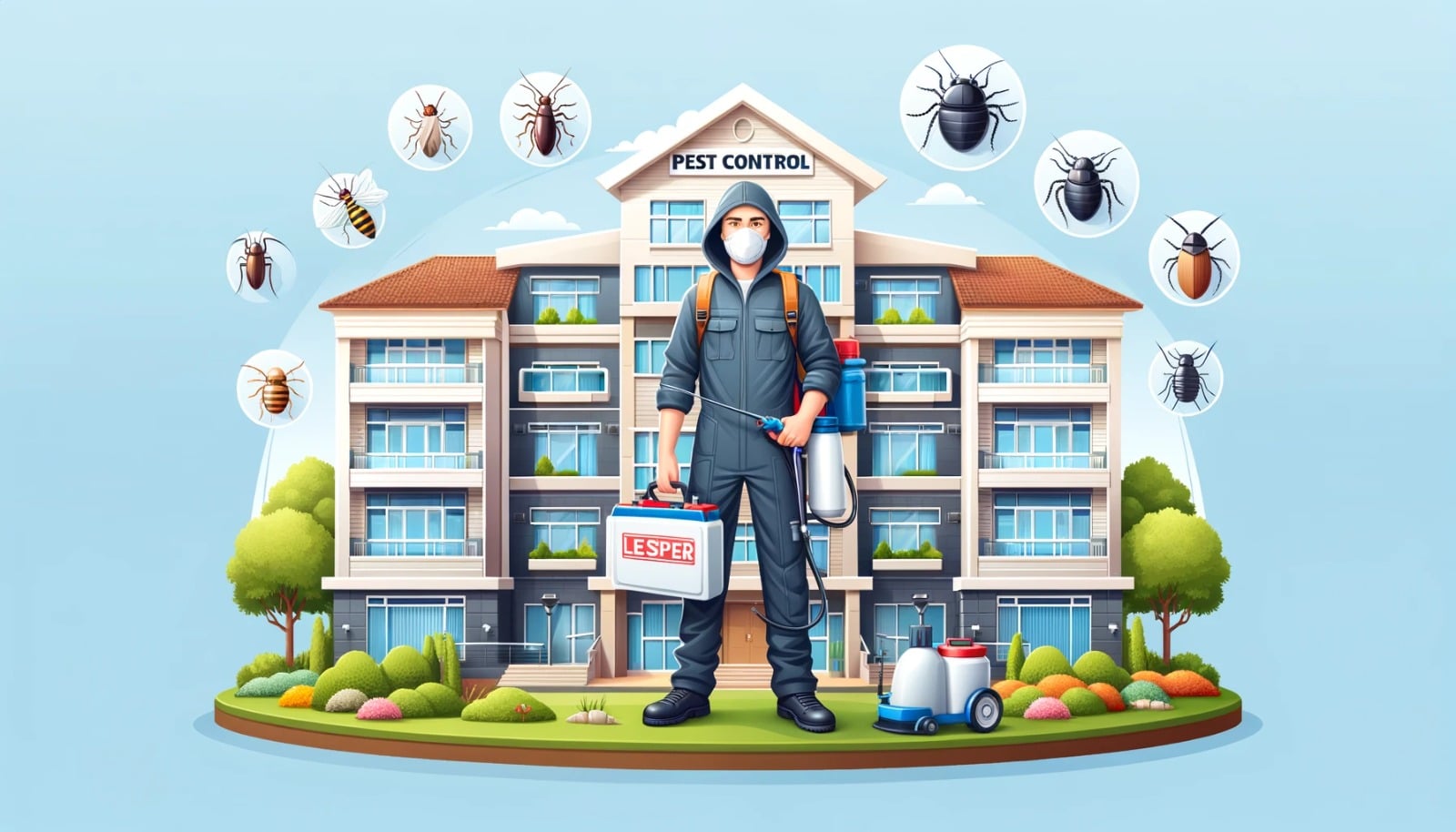
If you manage apartments, you already know that a German cockroach infestation in apartment units isn’t just a minor pest issue. It is a building-wide operational risk. What often starts as a single report from one resident can quietly expand into a costly, recurring problem that affects multiple units, increases maintenance workload, and impacts resident satisfaction.
German cockroaches are not like occasional outdoor pests. They are highly adaptive, fast-reproducing, and deeply tied to indoor infrastructure. In high-density housing, they behave less like isolated pests and more like a shared system failure.
From an operations standpoint, the biggest concern is not just the presence of a german cockroach in apartment spaces, but how quickly they spread through hidden pathways. This leads to repeated service calls, longer unit turns, and added pressure on maintenance teams.
For property managers focused on Net Operating Income (NOI), this translates into three main cost drivers:
- Increased turnover time due to infestation remediation
- Higher labor hours for maintenance and pest control coordination
- Potential loss of resident retention and reputation impact
Understanding how and why these infestations spread is the first step in controlling them at scale.
Understanding the German Cockroach as a System Pest
What Makes German Cockroaches Different?
German cockroaches are small, light brown insects with two dark stripes behind their head. But their physical appearance is the least important thing for operations teams.
What matters is behavior.
They prefer warm, humid environments and are almost always found near kitchens and bathrooms. Unlike larger species, they do not rely on outdoor entry points. Instead, they live and reproduce entirely indoors.
This is why many property teams ask: are german cockroaches invasive?
The answer is yes, but not in the traditional outdoor sense. They are invasive within structures. Once introduced into a building, they actively expand their territory using the building itself as a network.
To put this into perspective, a comparison helps:
- German and American cockroaches behave very differently. American cockroaches are larger and often enter from outside areas like basements or drains. German cockroaches, on the other hand, spread from unit to unit internally.
- When comparing brown banded cockroaches vs german, brown banded cockroaches tend to stay localized and prefer drier areas. German cockroaches are far more aggressive in colonizing shared spaces and high-moisture zones.
For property managers, this means one key thing:
German cockroaches are not just a pest problem. They are a building systems problem.
Defining the Systemic Spread Factor
The Systemic Spread Factor is a concept used to describe how easily a pest can move through shared infrastructure within a multi-family property.
German cockroaches have one of the highest systemic spread factors of any indoor pest.
This is because they do not rely on open space to travel. Instead, they use hidden structural pathways that connect units.
These include:
- Plumbing chases
- Electrical conduits
- Shared wall voids
- Ceiling cavities and drop ceilings
Each of these elements creates a continuous pathway that bypasses physical barriers between apartments.
Plumbing Chases: The Primary Highway
Plumbing systems are one of the most common spread routes.
Every sink, dishwasher, and bathroom fixture connects to vertical and horizontal pipes that run through multiple units. Around these pipes, there are often small gaps or openings that are not fully sealed.
German cockroaches use these gaps to move freely between units.
For example, a heavy infestation under one kitchen sink can easily migrate into the unit above or below within days. This is especially common in older buildings where pipe penetrations were not sealed during construction.
From a management standpoint, this explains why treating one unit often fails. The source may not be in that unit at all.
Electrical Conduits: Hidden Travel Corridors
Electrical systems create another major pathway.
Outlets, switch plates, and wiring channels connect through walls and ceilings. Behind these surfaces are small voids that provide safe, dark, and undisturbed travel routes.
German cockroaches are known to nest behind refrigerators and stoves, where electrical access points are common. From there, they can enter conduit spaces and move laterally into adjacent units.
This is one reason why residents may report activity in living rooms or bedrooms, even though the original infestation started in a kitchen elsewhere.
Shared Wall Voids: The Silent Expansion Zone
Wall voids act as a central network that ties everything together.
These spaces are rarely inspected and almost never cleaned. They provide ideal conditions for German cockroaches to:
- Reproduce
- Shelter from treatment efforts
- Expand without detection
Once established inside wall voids, the infestation becomes much harder to control. Surface-level treatments in individual units will not reach these hidden populations.
This is where many properties begin to experience repeated service calls and frustration.
Operational Impact on Net Operating Income (NOI)
Increased Turnover Time
When a unit has a confirmed german cockroach infestation in apartment settings, standard turnover procedures are no longer enough.
Instead of a basic clean and inspection, the process often includes:
- Deep cleaning of all cabinets and appliances
- Multiple pest control treatments over several days or weeks
- Delays in unit readiness for new residents
Each additional day a unit sits vacant directly impacts revenue.
In high-density properties, even a small increase in average turn time can significantly reduce annual NOI.
Maintenance Labor and Coordination Costs
German cockroach issues also increase the workload for maintenance teams.

Technicians are often required to:
- Remove and reinstall appliances for treatment access
- Seal gaps around plumbing and electrical penetrations
- Coordinate with pest control vendors for follow-up visits
These tasks are time-consuming and often repeat across multiple units due to the systemic spread factor.
This creates a cycle where maintenance resources are pulled away from other priorities, leading to inefficiencies across the property.
Resident Experience and Retention Risk
From a resident perspective, seeing even one cockroach can quickly lead to concern.
Repeated sightings, especially after treatment, can reduce trust in property management. This increases the likelihood of:
- Early move-outs
- Negative reviews
- Increased complaints and service requests
While the direct financial impact may not always be easy to measure, the long-term effect on occupancy and reputation is very real.
Why Unit-by-Unit Treatment Fails
Many properties still approach this issue by treating one unit at a time. On the surface, this seems logical.
However, due to the systemic spread factor, this approach often leads to short-term results only.
If adjacent units, wall voids, and shared infrastructure are not addressed, the infestation simply relocates and returns.
This is why property managers often find themselves asking:
how to get rid of german cockroaches in apartment buildings permanently?
The answer is not a single treatment. It is a coordinated, building-wide strategy that accounts for how these pests actually move and survive.
Standard Operating Procedure for Long-Term Suppression
From Reactive Control to Operational Discipline
Once a German cockroach infestation reaches multiple units, the solution is no longer about isolated treatments. It becomes an operational process that must be standardized, repeatable, and measurable.
The goal is not just elimination. The goal is long-term suppression with minimal disruption to operations.
This is where a clearly defined unit turnover protocol, structured communication with residents, and ongoing predictive service come together as a single system.
The Unit Turn Strategy: Maximizing the 48-Hour Vacancy Window
Why the Vacancy Window Matters
The short gap between move-out and move-in is one of the most valuable opportunities for control. During this window, maintenance teams have full access to the unit without restrictions, allowing for deeper intervention.
If used correctly, this 48-hour period can reset infestation levels and prevent spread into incoming units.
If ignored, it allows hidden populations to remain and quickly rebound.
Core Objective of the Unit Turn Strategy
The purpose of the unit turn strategy is simple:
Eliminate active harborages, disrupt reproduction cycles, and seal structural pathways before the next resident arrives.
This requires coordination between maintenance and pest control teams, with clearly defined responsibilities.
Maintenance Checklist for Unit Turnovers
Below is a standardized checklist designed for high-density properties. This approach supports consistency across units and helps reduce missed steps that often lead to reinfestation.
| Task Category | Required Action | Operational Purpose |
| Appliance Handling | Pull out refrigerator and stove; clean all surfaces behind and beneath | Removes high-density nesting zones where german cockroach populations concentrate |
| Cabinet & Sink Area | Empty, clean, and inspect all cabinets; focus on hinges and corners | Targets hidden egg cases and food debris that sustain infestations |
| Plumbing Penetrations | Seal gaps around pipes under sinks and behind toilets using appropriate sealant | Blocks primary spread routes through plumbing chases |
| Electrical Access Points | Install outlet covers or apply sealant around loose electrical boxes | Reduces movement through conduit systems |
| Wall & Baseboard Gaps | Inspect and seal cracks or openings along baseboards and wall joints | Limits access to shared wall voids |
| Flooring & Corners | Deep clean edges, especially in kitchens and bathrooms | Removes grease buildup that attracts and sustains activity |
| Waste Removal | Ensure no organic debris or trash remains in the unit | Eliminates immediate food sources |
| Pest Control Integration | Coordinate with vendor for targeted gel bait placement and monitoring devices | Establishes early-stage control using a bait rotation strategy |
The Role of Bait Rotation Strategy
One key detail often overlooked during turnovers is the importance of a bait rotation strategy.
German cockroaches can develop aversion to certain bait formulations over time. By rotating active ingredients periodically, pest control providers maintain effectiveness and avoid resistance.
For property managers, this is not something to manage manually, but it should be a requirement in vendor agreements. It ensures that each treated unit remains protected beyond the initial service.
Resident Synergy: Aligning Behavior Without Creating Alarm
Why Resident Participation Matters
Even the best unit turnover protocol can fail if conditions inside occupied units support reinfestation.
This is where resident compliance becomes essential.
However, communication must be handled carefully. Overly technical or alarming language can lead to unnecessary concern, complaints, or resistance.
The goal is to create resident synergy, where small behavior changes support the overall system without making residents feel blamed or overwhelmed.
Practical Communication Approach
Instead of presenting the issue as a building-wide problem, successful properties frame communication around shared cleanliness and comfort.

For example, simple guidance may include:
- Keeping food sealed and stored properly
- Wiping down kitchen surfaces regularly
- Reporting sightings early through maintenance requests
This type of messaging feels routine rather than urgent, which improves participation.
It also supports maintenance ticket reduction, since early reporting allows smaller issues to be addressed before they spread.
Integrating Pest Control Into Everyday Operations
The most effective properties treat pest control as part of normal operations, similar to HVAC servicing or cleaning common areas.
When positioned this way, scheduled treatments feel like an amenity-grade service rather than a reactive response to a problem.
This shift in perception improves cooperation and reduces friction between residents and management teams.
Predictive Maintenance: Stabilizing Cost and Performance
Moving Beyond One-Time Treatments
Traditional pest control models rely on service calls after a problem is reported. This reactive approach leads to unpredictable costs and inconsistent results.
In contrast, subscription pest control models provide scheduled, ongoing service across the property.
This creates a predictable framework for both cost and performance.
How Predictive Pest Control Works
Under a subscription model, pest control providers:
- Perform routine inspections across units and common areas
- Apply preventive treatments based on risk patterns
- Monitor activity trends and adjust strategies proactively
This approach aligns with broader property management goals by turning pest control into a predictable operating expense rather than a fluctuating emergency cost.
Financial Impact on NOI and CapEx Protection
From a financial perspective, predictive pest control supports both short-term and long-term performance.
In the short term, it reduces:
- Emergency service calls
- Repeated treatments in the same units
- Excess maintenance labor tied to infestations
Over time, it contributes to CapEx protection by preserving:
- Cabinetry and finishes that would otherwise degrade from infestation activity
- Appliance lifespan by preventing contamination and damage
- Overall unit condition, supporting higher rental value
This is especially important in properties where consistent interior quality directly impacts leasing performance.
Protecting Long-Term Market Value
German cockroaches are not just a nuisance. In multi-family housing, they represent a system-level operational challenge that directly affects efficiency, cost control, and resident experience.
By implementing a structured approach that includes:
- A disciplined unit turnover protocol
- Clear and balanced resident communication to support resident compliance
- A proactive, subscription pest control model
Property managers can shift from reactive firefighting to controlled, predictable operations.
The result is more than just fewer pests.
It is a measurable improvement in:
- Maintenance efficiency
- Resident satisfaction
- Asset preservation
And ultimately, this is what protects and enhances the property’s long-term market value.