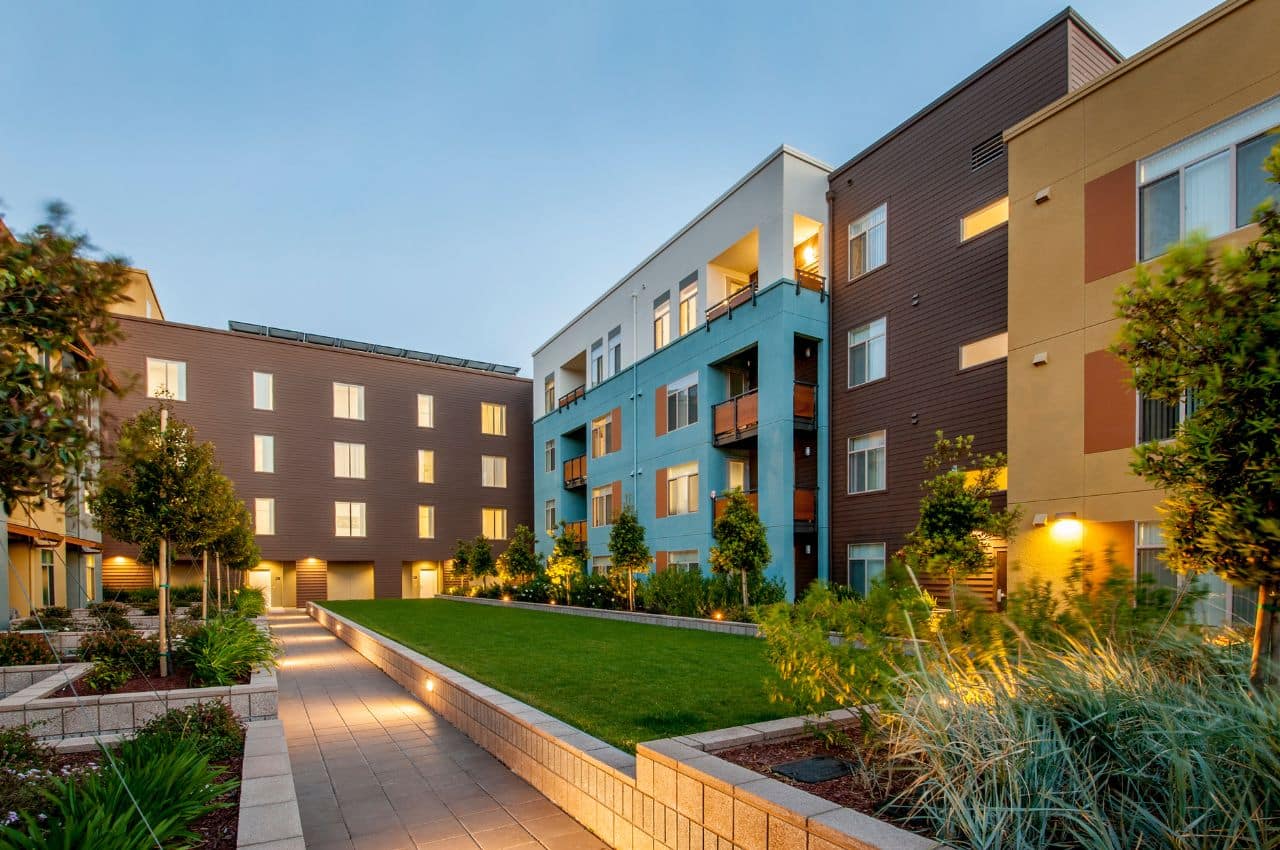
The structural performance in wood-frame and masonry-veneer construction depends greatly on the integrity of concealed materials. Headers, sill plates, rim joists, and sheathing systems are rarely visible once construction is complete, yet they carry continuous load and environmental stress.
Carpenter ant activity introduces a unique and often underestimated threat to these systems. Unlike acute damage events, their impact develops gradually, often without immediate detection. This creates what can be defined as a silent degradation pathway, where structural components are compromised over time while remaining outwardly intact.
For property managers, the concern is not simply the presence of insects. It is the progressive erosion of structural reliability, coupled with the financial consequences of deferred discovery.
Understanding Carpenter Ant Behavior in Built Environments
Excavation vs. Consumption: A Critical Distinction
One of the most common misconceptions in property management is the assumption that all wood-damaging pests behave like termites. This leads to misinterpretation of early warning signs and delays in proper intervention.
Carpenter ants, primarily species within the Camponotus genus, do not consume wood as a food source. Instead, they excavate galleries within wood to create nesting space.
This distinction has several implications.
First, the damage pattern differs significantly from termites. When comparing termites vs carpenter ants damage, termite activity typically results in hollowed wood with a soil-like residue, as they digest cellulose. Carpenter ants, by contrast, produce clean, smooth tunnels and eject debris outside the nest.
This debris, commonly referred to as carpenter ant frass, is a key diagnostic indicator. Property managers often ask, do carpenter ants leave sawdust? The answer is yes, but it is more accurately described as a mixture of wood shavings, insect parts, and insulation fragments.
Understanding what carpenter ants look like is essential for early detection. It often appears as small piles beneath baseboards, window sills, or wall void openings, sometimes mistaken for simple dust or debris.
Structural Targeting: Where Damage Occurs
Carpenter ants do not randomly excavate wood. They are highly selective, targeting areas that offer both structural stability and favorable environmental conditions.
Commonly affected components include:
- Structural headers above doors and windows
- Sill plates at the base of walls
- Rim joists and subfloor framing
- Foam insulation panels within wall systems
These locations are not incidental. They provide a combination of moisture retention, temperature stability, and proximity to food sources.
In many cases, activity begins in areas where wood has already been softened by environmental exposure. Over time, as colonies expand, excavation extends into adjacent, structurally sound materials.
This progression is what makes carpenter ants particularly concerning in multi-family environments. Damage is not confined to a single unit. It can spread laterally and vertically through shared framing systems.
Acoustic and Visual Indicators
Detection is further complicated by the subtle nature of early activity.
Property teams sometimes ask, can you hear carpenter ants? Under certain conditions, the answer is yes. In quiet environments, especially at night, faint rustling or clicking sounds may be audible within walls. This is often described as the sound of carpenter ants moving or excavating.
However, reliance on sound alone is not practical for inspection purposes.
More commonly, visual indicators include:
- Small accumulations of carpenter ant wood shavings near baseboards or trim
- Occasional sightings of carpenter ant scouts in kitchens or along window sills
- Presence of winged ants during reproductive cycles, often confused with winged carpenter ants vs termites
Misidentification at this stage can delay appropriate response, particularly when comparing carpenter ant vs termite frass or distinguishing what is the difference between carpenter ants and termites in field conditions.
The Moisture Link: Catalyst for Infestation
Moisture as a Structural Vulnerability
Carpenter ant infestations are rarely isolated from moisture conditions. In fact, moisture is one of the most consistent predictors of activity.
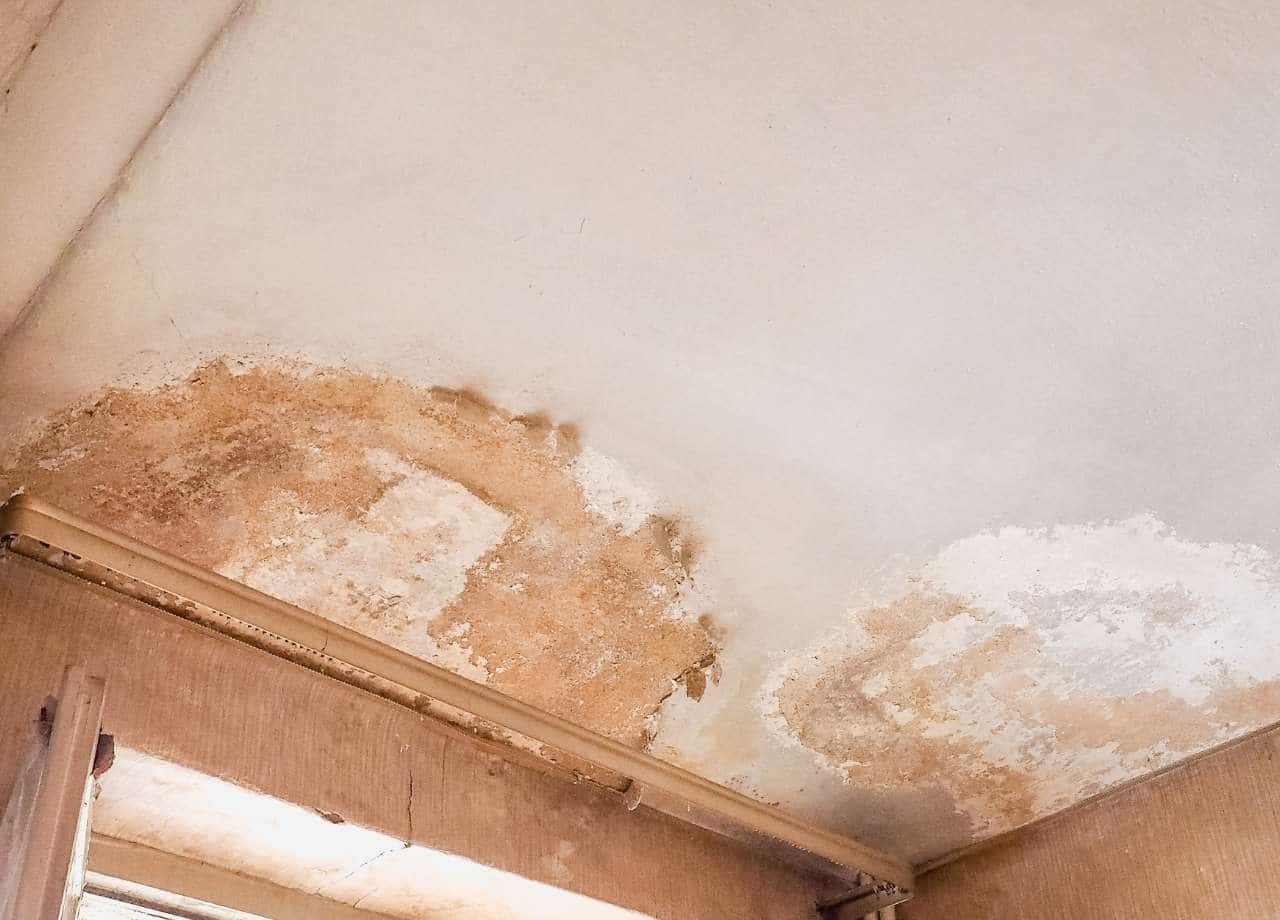
Small, often unnoticed leaks within the building envelope create ideal conditions for colony establishment. These may include:
- Minor roof leaks
- Window flashing failures
- Plumbing seepage within wall cavities
- Condensation around HVAC systems
Over time, these conditions soften wood fibers, making them easier to excavate.
From a forensic standpoint, carpenter ants are not the root cause of damage. They are secondary exploiters of compromised materials.
Satellite Colonies and Expansion Dynamics
One of the defining characteristics of carpenter ant behavior is the formation of satellite colonies.
A primary colony may be located outside the structure, such as in a tree, wood pile, or landscaping element. This is why questions like does mulch attract carpenter ants or observations of carpenter ants in wood pile are relevant to property conditions.
From this primary source, satellite colonies are established within the building itself, particularly in moisture-affected areas.
These satellite colonies do not require direct contact with soil or external environments. They can exist entirely within wall voids, ceiling cavities, or insulation layers.
This creates a distributed infestation model, where multiple nesting sites operate simultaneously.
In practical terms, this means that eliminating visible ants within a unit does not address the full scope of the problem. The underlying colony network remains intact, continuing to expand and cause damage.
Seasonal Activity and Misleading Dormancy
There is a common belief that carpenter ants become inactive during colder months. Property managers often ask, are carpenter ants active in winter or do carpenter ants die in winter.
While outdoor activity may decrease, indoor colonies remain active year-round, particularly in climate-controlled environments.
In fact, carpenter ants in winter often become more noticeable indoors as they seek stable conditions.
This creates a false sense of resolution when activity appears to decline seasonally, only to re-emerge under favorable conditions.
Long-Term Asset Impact and Deferred Maintenance Risk
Progressive Structural Weakening
The cumulative effect of carpenter ant excavation is gradual but significant.
As galleries expand within structural members, the effective cross-section of load-bearing components is reduced. This can lead to:
- Decreased load capacity in headers and beams
- Increased deflection in floor systems
- Compromised connection points between structural elements
These changes may not produce immediate failure, but they contribute to long-term degradation.
In multi-family properties, where structural systems are shared across units, localized damage can have broader implications.
Financial Implications and Hidden Costs
From an asset management perspective, carpenter ant infestations introduce a category of hidden structural liability.
Unlike visible damage, such as water intrusion or surface deterioration, internal wood excavation often goes undetected until advanced stages.
At that point, remediation may require:
- Opening walls and ceilings
- Replacing structural components
- Addressing underlying moisture issues
This significantly increases repair costs compared to early intervention.
Additionally, delays in addressing these issues contribute to deferred maintenance, where small, manageable problems evolve into capital-intensive repairs.
Non-Invasive Detection and Suppression
Advancing Beyond Visual Inspection
Traditional inspection methods often rely on visible indicators such as frass deposits, surface damage, or direct ant sightings. While these remain useful, they are inherently reactive and typically identify infestations only after structural compromise has begun.
Modern property management strategies increasingly rely on non-invasive detection technologies to identify carpenter ant activity within concealed building systems before visible damage occurs. This approach aligns with broader integrated pest management (IPM) principles, where early detection and targeted intervention reduce both structural impact and operational disruption.
Two of the most effective diagnostic tools in this category are acoustic detection and thermal imaging.
Acoustic Detection: Identifying Activity Within Structural Members
Acoustic detection technology is designed to capture the subtle sounds generated by carpenter ant movement and excavation within wood.
As colonies expand, worker ants continuously modify galleries, producing faint but measurable vibrations. These signals, often imperceptible to the human ear, can be detected using specialized sensors placed against walls, ceilings, or structural elements.
In controlled inspection conditions, acoustic tools allow professionals to:
- Pinpoint active nesting zones within headers, beams, and wall cavities
- Differentiate between active and inactive damage areas
- Reduce unnecessary demolition by targeting only affected sections
This method is particularly valuable in multi-family environments, where opening walls without clear evidence can disrupt multiple units and increase costs.
The ability to confirm activity without invasive measures supports more precise decision-making and minimizes operational impact.
Thermal Imaging: Mapping Moisture and Colony Conditions
Thermal imaging complements acoustic detection by identifying temperature differentials within building materials.
Carpenter ant colonies often develop in areas with elevated moisture levels. These conditions create subtle thermal variations that can be captured through infrared scanning.
By analyzing these patterns, inspectors can:
- Locate moisture-compromised wood that may support colony development
- Identify hidden voids where insulation has been displaced
- Detect heat signatures associated with active nesting zones
Thermal imaging does not directly visualize ants. Instead, it reveals the environmental conditions that enable infestation.
When combined with acoustic data, it provides a comprehensive picture of both current activity and potential risk zones.
This dual-detection approach allows property managers to move from reactive repair to predictive intervention, addressing issues before they escalate into structural damage.
Preventative Maintenance as a Structural Defense Strategy
Environmental Control and the Elimination of Access Pathways
While detection technologies improve visibility, long-term suppression depends on controlling the external conditions that allow carpenter ants to establish and expand.
One of the most critical factors is vegetation clearance.
Landscaping elements such as tree branches, shrubs, and climbing plants often create direct pathways, or “bridges,” between the ground and the building envelope. These connections allow carpenter ants to bypass ground-level defenses and access upper structural components.
Routine trimming to maintain clear separation between vegetation and exterior walls is essential. This practice reduces the likelihood of colony establishment within rooflines, soffits, and upper wall assemblies.
Similarly, wood-based materials stored near the structure, including firewood or untreated landscaping elements, can serve as primary nesting sites. From these locations, satellite colonies may extend into the building.
Moisture Management Through Gutter and Drainage Maintenance
Moisture remains the primary catalyst for carpenter ant activity, making water management a central component of prevention.
Clogged or poorly maintained gutters allow water to overflow and infiltrate wall assemblies. Over time, this leads to localized wood softening, creating ideal conditions for excavation.
A structured maintenance schedule should include:
- Regular gutter cleaning to ensure proper drainage
- Inspection of downspouts and discharge points
- Monitoring of roof edges and flashing systems for signs of water intrusion
By maintaining dry structural conditions, properties reduce the likelihood of both initial infestation and ongoing colony expansion.
Structural Barrier Treatments and Long-Term Protection
In addition to environmental controls, structural barrier treatments provide a protective layer against infestation.
These treatments are typically applied to vulnerable exterior zones, including foundation perimeters, entry points, and areas with historical activity. When integrated into a broader IPM framework, they act as a deterrent, limiting the ability of carpenter ants to establish new colonies within the structure.
Unlike reactive chemical treatments, barrier applications are most effective when used preventatively, reinforcing the building envelope as part of routine maintenance.
Annual Exterior Inspection Milestones
To ensure consistency and accountability, preventative efforts should be formalized into an annual inspection framework. The following table outlines key milestones aligned with seasonal risk factors.
| Inspection Period | Focus Area | Operational Objective |
| Early Spring | Rooflines, gutters, and downspouts | Identify and correct moisture accumulation from winter conditions before colony expansion begins |
| Late Spring to Early Summer | Vegetation clearance and exterior walls | Eliminate structural bridges and assess for early signs of carpenter ant activity during peak foraging season |
| Mid to Late Summer | Foundation perimeter and structural penetrations | Reinforce barrier treatments and inspect for satellite colony development in high-temperature conditions |
| Fall | Drainage systems and exterior sealing | Prepare the building envelope for increased moisture exposure and reduce overwintering risks |
| Winter | Interior monitoring and thermal scanning | Detect hidden activity within conditioned spaces where colonies remain active despite external dormancy |
This structured approach ensures that inspection efforts are proactive rather than reactive, aligning maintenance activities with known behavioral patterns of carpenter ants.
Financial Structuring: Fixed-Cost Asset Protection Through Subscription Models
Predictability in Pest Management
Carpenter ant infestations introduce uncertainty into both operating and capital budgets. Reactive treatments, structural repairs, and investigative inspections can vary widely in cost depending on the extent of damage.
A subscription-based pest control model addresses this variability by converting pest management into a predictable operating expense.
Under this framework, properties receive scheduled inspections, preventative treatments, and ongoing monitoring for a fixed monthly or annual fee. This shifts the financial model from reactive spending to planned investment.
Preventative Maintenance ROI and Asset Stability
The financial advantage of this approach is best understood through preventative maintenance ROI.
By investing in early detection, environmental control, and exclusion measures, properties avoid the significantly higher costs associated with structural repair and deferred maintenance.
This includes:
- Reduced need for invasive inspections and wall removal
- Lower likelihood of structural component replacement
- Stabilized maintenance labor requirements
Over time, these savings compound, supporting both operational efficiency and long-term asset value.
Fixed-Cost Asset Protection as a Strategic Priority
From an asset management perspective, the concept of fixed-cost asset protection is particularly valuable.
It allows property managers to:
- Forecast pest-related expenses with greater accuracy
- Integrate pest management into broader maintenance budgets
- Align service levels with long-term preservation goals
This approach reinforces the role of pest control as a structural safeguard rather than a discretionary service.
Closing Perspective: Sustaining Structural Integrity Through Proactive Management
Carpenter ant infestations represent a form of degradation that is both subtle and cumulative. Their impact is rarely immediate, but over time, it can compromise critical structural elements and introduce significant financial risk.
By adopting non-invasive detection technologies, integrating environmental controls into routine maintenance, and leveraging subscription-based service models, property managers can transition from reactive response to proactive stewardship.
This shift is not simply operational. It is strategic.
It ensures that the building remains structurally sound, financially stable, and resilient against one of the most persistent forms of hidden damage in multi-family construction.
In this context, effective carpenter ant management becomes more than pest control.
It becomes a disciplined approach to preserving asset integrity at every level of the structure.