Most property teams don’t have a personalization problem. They have a prioritization problem.
They are trying to improve everything at once. Every message, every touchpoint, every interaction. The result is predictable. More communication, more noise, and no meaningful change in how residents actually feel.
The residents still don’t feel known.
The shift starts when you stop thinking about personalization as something you “add” and start treating it as something you design into your operations. Not everywhere. Not all the time. Only where it actually changes outcomes.
That requires a system. Not more effort.
The “Known, Not Processed” Execution Framework
There are only a handful of moments that actually shape how a resident feels about living in your apartments. Not twenty. Not fifty. Usually five to seven.
Everything else is background noise.
The highest-performing teams quietly organize their entire operation around these moments. They do not announce it. Residents never see the system. They just feel like things work.
Think about a simple scenario.
A resident submits a maintenance request. One team sends a generic confirmation, shows up late, fixes the issue, and closes the ticket.
Another team already knows this resident had a similar issue before. They send a message that sets expectations clearly. The technician arrives with context. The follow-up references the exact issue that was resolved.
Same problem. Completely different experience.
The difference is not effort. It is structure.
The first move is identifying the moments that actually matter. Move-in. First service interaction. The first ninety days. Renewal window. A few micro-interactions that repeat over time. That is where perception is formed and where retention is decided.
Once those moments are clear, the next step is deciding how deeply to personalize each one.
Not everything deserves the same level of attention. Some moments require human awareness and context. Others can be handled through smart automation without losing quality. The discipline is knowing the difference.
Then comes ownership.
Every interaction needs a clear trigger, a defined action, and a responsible owner. Sometimes that owner is a system. Sometimes it is a person. Often it is a mix of both.
This is where most teams break. They rely on memory and manual follow-ups. That does not scale. It also does not stay consistent.
The best operators remove memory from the equation. They build event-based workflows that activate automatically when something happens. A move-in is scheduled. A request is submitted. A lease approaches renewal.
No chasing. No reminders. The system moves first.
And finally, none of this works without feedback.
Not annual surveys. Not occasional reviews. Continuous signals that tell you where the experience is working and where it is breaking. The best teams close that loop weekly. Small adjustments. Constant refinement.
That is how personalization becomes operational instead of aspirational.
Personalization Infrastructure Blueprint
You cannot execute this with scattered tools and incomplete data. Most teams are trying to personalize on top of fragmented systems. That is like trying to have a conversation while only hearing half the words. 66% of property managers say understanding resident needs is their biggest challenge.
At the center of this is a unified view of the resident.
Not just basic information. Behavior. Preferences. History. Every interaction that adds context. Without this, personalization collapses into guesswork.
When a resident reaches out, the system should already know what has happened before. What issues they faced. How they prefer to communicate. What matters to them.
Layered on top of that is an event trigger engine.
This is what turns static data into action. It listens for changes. A lease entering its renewal window. A maintenance request submitted. A drop in engagement. Each event triggers a response without waiting for someone to notice.
Then comes communication orchestration.
Most teams struggle here more than anywhere else. Messages are sent from different systems, in different tones, with no coordination. The resident experiences this as inconsistency.
High-performing teams treat communication as a single system, even if multiple tools are involved. The tone is aligned. The timing is intentional. The message reflects context.
Maintenance is another critical layer that is often overlooked.
It is not just about fixing issues. It is one of the highest emotion moments in the entire resident journey. The system should bring in context automatically. What unit. What history. What previous issues. What expectations were set.
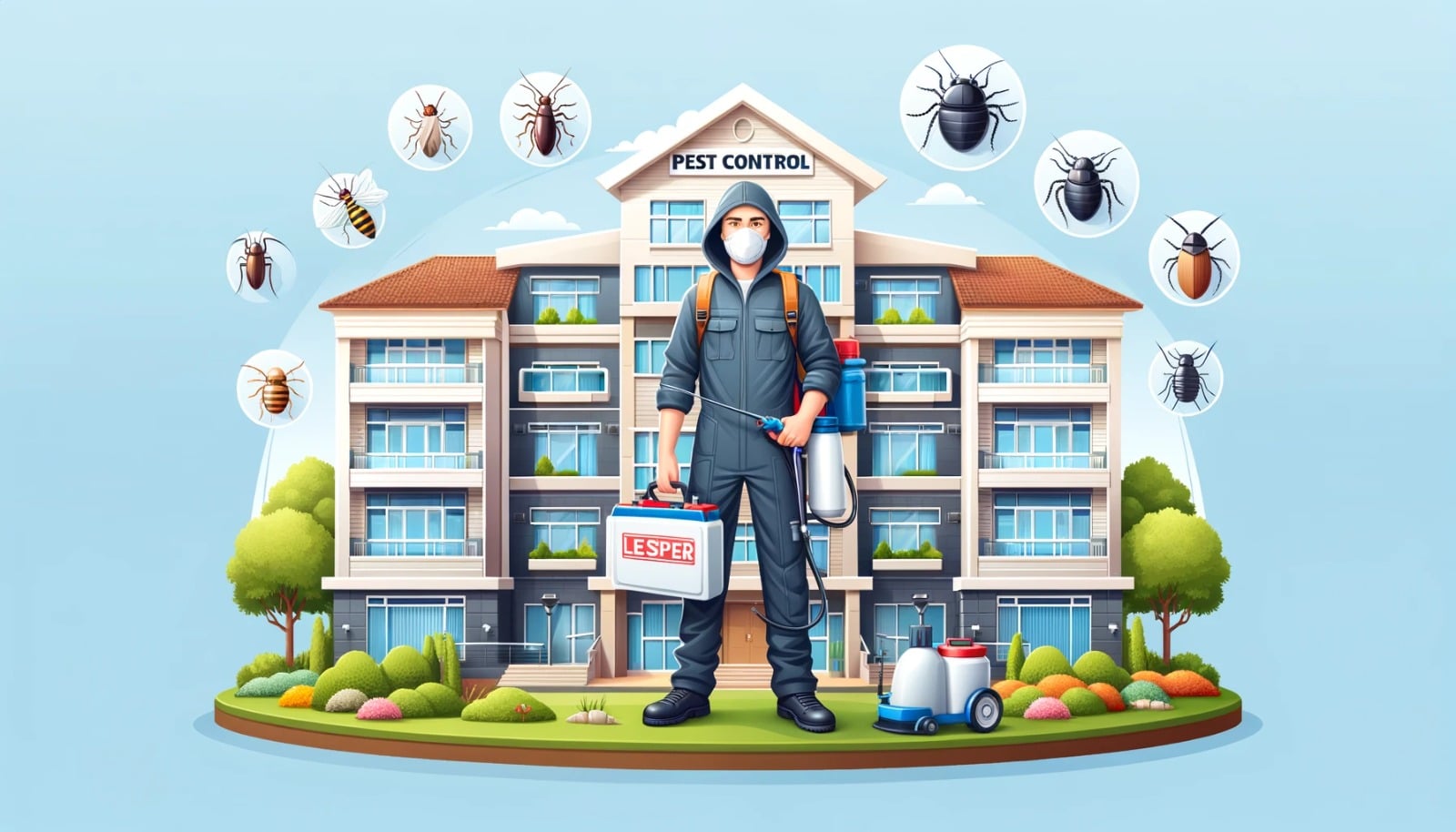
This is where companies like Pest Share quietly add value. When pest-related issues come up, having structured data and consistent workflows ensures the response is not just reactive, but informed and predictable.
And then there is sentiment.
Most teams only notice problems when they become complaints. By then, it is late. A proper feedback and sentiment layer captures signals continuously. Surveys, reviews, even message tone. It builds a real-time picture of how residents feel, not just what they say.
Without this layer, you are operating blind.
The Resident Experience Moments Map
Not all moments are created equal. Some are routine. Others define the entire relationship.
The move-in window is one of the most misunderstood opportunities. From about a week before move-in through the first couple of weeks after, residents are forming their baseline expectations. Everything feels amplified. Good or bad.
If communication is unclear here, that confusion lingers. If the experience feels smooth and thoughtful, it creates immediate trust. Meaningful staff interactions and sense of connection are top drivers of retention.
Then comes the first service interaction.
This is often the first time something goes wrong. How that moment is handled matters more than how perfect the move-in was. A fast, well-communicated resolution builds confidence. A slow or unclear response creates doubt.
The first ninety days are where habits form.

Residents decide how easy it is to get help. How responsive the team is. Whether issues get resolved properly. This period quietly determines whether renewal will be an easy yes or a difficult decision later.
The renewal window is where everything converges.
By the time a lease is approaching expiration, the decision is mostly made. The conversation at that point is not about convincing. It is about confirming or correcting the direction already set by earlier experiences.
And then there are the micro-interactions.
Small messages. Notifications. Quick responses. These do not feel important individually. But over time, they shape perception. Consistency here matters more than creativity.
Personalization Depth Model
The final piece of the foundation is understanding where to invest effort and where to standardize.
Not every interaction deserves deep personalization. Trying to do that creates operational strain without improving outcomes.
High emotion, high impact moments require real context. This is where human awareness matters. Maintenance issues. Renewal conversations. Situations where the resident is paying close attention.
These moments define trust.
High emotion but low frequency moments can be structured. You do not need to reinvent the approach every time. You need strong playbooks that ensure consistency while still allowing for some flexibility.
Low emotion but high frequency interactions are where automation shines.
Status updates. Routine notifications. These should be timely, accurate, and context-aware, but not manually handled. The goal is reliability, not creativity.
And then there are low impact interactions that simply do not need customization.
Trying to personalize everything dilutes focus. The best teams are disciplined about where they invest energy.
That discipline is what makes the whole system sustainable.
Because at the end of the day, personalization is not about doing more. It is about doing the right things at the right time, in a way that feels almost invisible to the resident.
When it works, no one notices the system behind it.
They just feel like everything makes sense.
Execution, Scaling, and Real-World Application
Most teams never fail at strategy. They fail at execution.
Not because they do not understand what to do, but because what they build cannot survive real operations. Too many manual steps. Too many decisions left to individuals. Too much reliance on people remembering what should happen next.
Execution is where personalization either becomes real or quietly disappears.
Turning Strategy Into Playbooks That Actually Run
The difference between an idea and a system is whether it runs without supervision.
Take the move-in experience. Everyone agrees it matters. Very few teams operationalize it properly.
A strong system starts before the resident even arrives. Preferences are captured early. Small details that seem insignificant at the time become powerful later. Communication style. Timing preferences. Known constraints. Even simple notes about schedules or expectations.
This is not about collecting more data. It is about collecting the right data at the right moment.
On day one, the experience should feel coordinated, not reactive. The welcome is not generic. It reflects what is already known. Setup instructions are not broad. They are relevant to the unit and the resident’s situation.
Then the first week unfolds based on behavior, not a fixed timeline.
If the resident submits a request, the system responds differently than if everything is quiet. If engagement drops, a check-in is triggered. If everything is smooth, nothing unnecessary is sent.
This is where most teams over-communicate. They follow a schedule instead of responding to reality.
Maintenance is where execution either builds trust or erodes it.
A request should never arrive as a blank ticket. It should already include context. Previous issues in the unit. Past interactions with the resident. Patterns that might indicate a recurring problem.
This changes how the issue is handled before anyone even shows up.
Communication during the process matters just as much as the fix itself. Clear expectations. Accurate timing. No surprises. Residents are far more tolerant of delays than they are of uncertainty.
After the issue is resolved, the follow-up should feel specific. Not a generic “your request is complete,” but a message that reflects what was actually done.
This is where services like Pest Share become part of the experience without being visible. When pest issues are tracked properly and handled with structured workflows, the response feels consistent. The resident does not think about the system. They just notice that problems do not repeat and communication makes sense.
Renewals are where execution becomes financial.
By the time you are talking about a lease extension, you are not starting a conversation. You are continuing one that has been happening for months.
A strong system scores renewal risk continuously. Engagement patterns. Service history. Sentiment signals. Small indicators that, when combined, tell you who is likely to leave.
This allows for intervention before the renewal window becomes urgent.
Offers are not one-size-fits-all. Some residents need flexibility. Others respond to pricing. Some simply need reassurance that their experience will remain consistent.
The key is not complexity. It is relevance.
And knowing when a human needs to step in.
The Decision System Teams Actually Use
Personalization breaks down when teams do not know what deserves attention.
Not everything should be customized. In fact, most things should not.
The real skill is knowing where personalization changes outcomes and where it does not.
Moments that influence retention deserve attention. Everything else should be streamlined and predictable.
Automation is not the enemy. Misused automation is.
When used correctly, it removes friction. It ensures consistency. It allows teams to focus on the moments that actually matter.
Human interaction should be reserved for situations where context, emotion, or complexity require it.
The balance between consistency and customization is not static. It evolves as operations mature.
Early on, teams tend to over-customize. Later, they over-standardize. The best operators move between the two without overcorrecting.
Where Most Systems Quietly Break
The most common mistake is over-automating the moments that matter most.
A maintenance issue that frustrates a resident should not be handled entirely by automated messages. There needs to be a clear path for human involvement when signals indicate rising frustration.
Another failure point is surface-level personalization.
Using a resident’s name is not personalization. Referencing their actual situation is.
Without context, personalization feels artificial. With context, even a simple message feels thoughtful.
Data quality is another silent problem.
If information is inconsistent or incomplete, the system cannot function properly. This is why data capture needs to be structured at key moments, not left to chance.
Too many touchpoints create fatigue.

More communication does not equal better communication. In fact, it often reduces perceived care. Residents start ignoring messages, and when something important arrives, it gets lost.
Operational capacity is often ignored entirely.
Teams design systems that look great on paper but cannot be supported in practice. Personalization depth needs limits. Not every scenario can be handled at the highest level.
The Shift Most Teams Miss
There is a tendency to believe that more interaction leads to better relationships.
It does not.
What actually matters is timing.
A well-timed message that reflects context will outperform ten generic updates every time.
This is what creates the feeling of being understood without being overwhelmed.
There is also an effect that is easy to overlook.
When personalization is done well, it becomes invisible.
Residents do not think, “this is personalized.” They think, “this was easy.” Or, “that made sense.”
That is the goal.
Over-communication has the opposite effect. It makes the experience feel forced. It reduces trust instead of building it.
Scaling Without Expanding the Team
Most teams assume better experience requires more people.
In reality, it requires better structure.
The first lever is replacing tasks with triggers.
Instead of relying on someone to remember to follow up, the system activates automatically when conditions are met. This reduces both workload and inconsistency.
Segmentation should be based on behavior, not demographics.
Two residents of the same age in the same building can have completely different experiences and expectations. Behavior tells you far more than static categories ever will.
Templates should not be static.
They should adapt based on context. Pulling in relevant details automatically so that messages feel specific without requiring manual effort each time.
Data capture should be automated wherever possible.
Every interaction is an opportunity to learn something useful. That information should feed back into the system without requiring extra steps from the team.
And before adding new tools, systems need to be connected.
Fragmentation is the enemy of personalization. Integration is what allows everything to work as a single experience.
Knowing If It Is Actually Working
Most teams measure the wrong things.
They focus on outputs instead of outcomes.
Response time is a useful signal, but only when paired with engagement and sentiment. Fast responses that do not resolve issues properly do not improve experience.
Engagement tells you whether residents are paying attention.
Are messages being opened. Are they responding. Are they interacting when prompted.
Sentiment reveals how they feel.
Not just in surveys, but in the tone of their communication. Small shifts here often appear before larger problems surface.
Then there are experience metrics.
Did the resident feel the issue was resolved properly. Was communication clear. Did expectations match reality.
And finally, business outcomes.
Renewal rates. Retention. Reviews. These are lagging indicators, but they validate whether everything else is working. A 70%+ retention rate is considered strong in property management. Average resident retention rate in multifamily is ~63%.
The key is connecting these layers, not viewing them in isolation.
Closing the Loop Before Problems Grow
Feedback without action is noise.
The real advantage comes from closing the loop quickly.
A survey is sent. A pattern is identified. A workflow is adjusted. The change is measured. Then refined again.
This cycle should happen continuously, not occasionally.
It is what turns small insights into meaningful improvements over time.
Turning Signals Into Action
The most advanced systems do not wait for complaints.
They look for early signals.
A drop in engagement. Repeated minor issues. A change in communication tone. These are often the first signs of potential churn. Data-driven personalization and engagement can increase retention and reduce turnover costs by ~21%.
When maintenance data and communication history are combined, patterns become clear.
A resident who has experienced multiple issues in a short period is at higher risk. Not because of any single issue, but because of the accumulated experience.
Sentiment data adds another layer.
It helps identify friction that may not be explicitly stated. Frustration that shows up in tone before it shows up in a complaint.
Predictive triggers allow teams to act before problems escalate.
A proactive check-in. A small adjustment. A targeted intervention.
These actions feel natural to the resident, but they are driven by a system that is paying attention.
Making It Real in Ninety Days
Most teams take too long to implement because they try to build everything at once.
A better approach is phased and focused. Turnover costs can reach $2,500–$4,000 per unit.
The first month is about clarity.
Mapping key moments. Identifying where data is missing. Defining what success actually looks like.
The second month is about building.
Creating playbooks. Setting up triggers. Training teams on how the system works and where they fit into it.
The third month is about running the system.
Launching workflows. Measuring performance. Adjusting based on real feedback instead of assumptions.
By the end of this period, the system does not need to be perfect.
It needs to be operational.
Because once it is running, improvement becomes continuous.