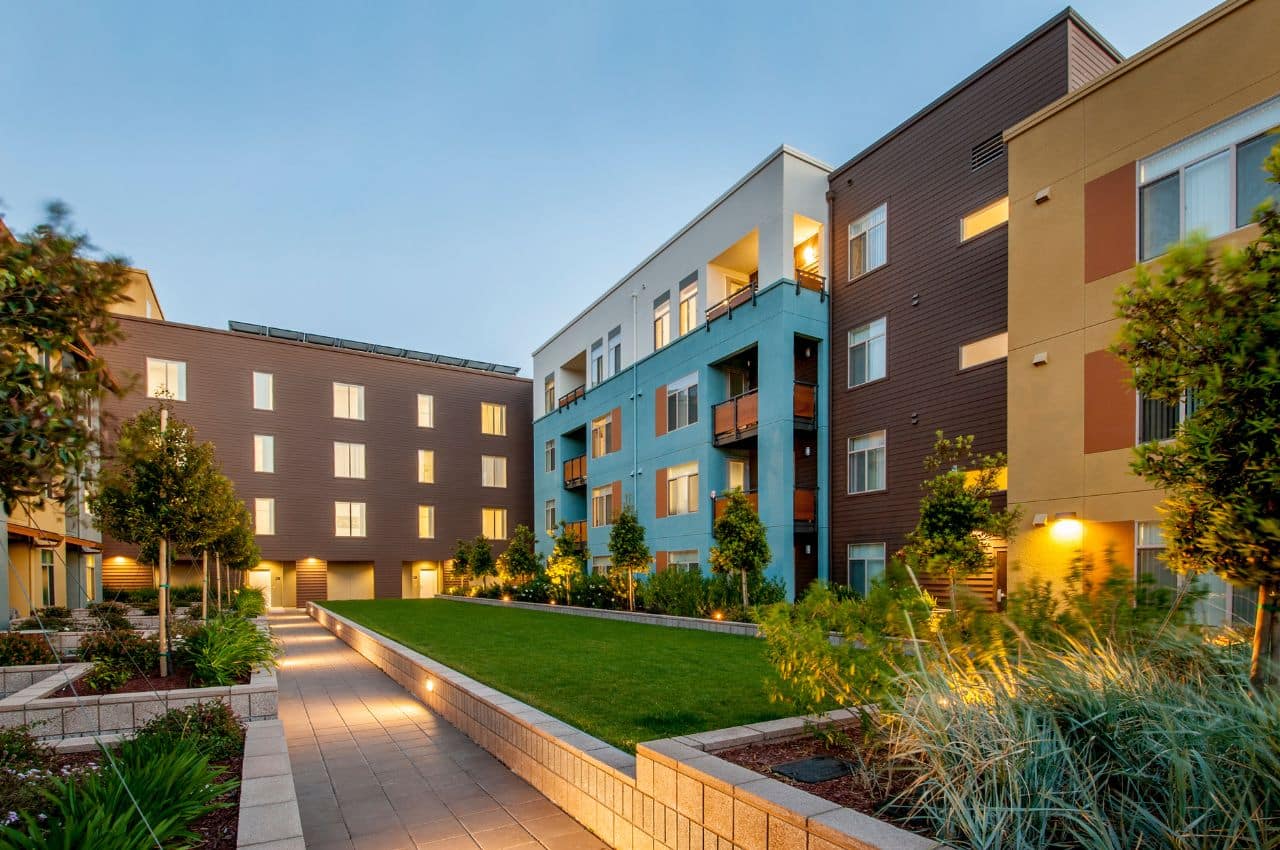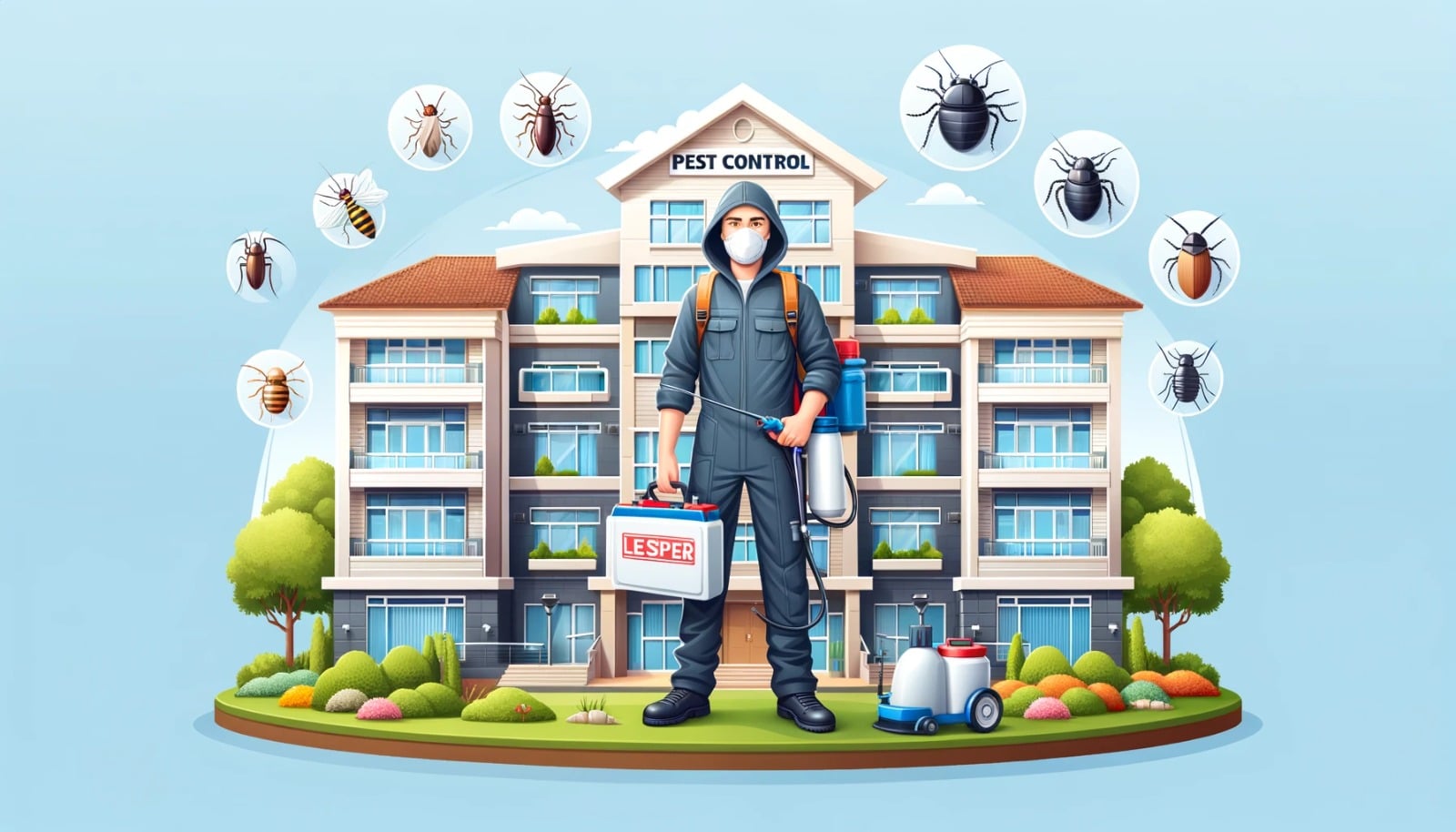
The risk in high-end residential communities is not limited to structural performance or financial exposure. It extends into perception. Specifically, the perception of safety within shared spaces has become a measurable driver of resident satisfaction, lease stability, and long-term brand positioning.
The presence of medically significant spiders, particularly Black Widow (Latrodectus) and Brown Recluse (Loxosceles) species, introduces a unique category of risk that blends biological reality with psychological impact. While actual bite incidents remain statistically low, the perceived danger associated with these species is disproportionately high.
In luxury environments, where expectations are elevated, even isolated sightings can disrupt confidence in property standards.
Regional Risk Distribution and Environmental Context
Geographic Concentration and Exposure Patterns
Black Widow and Brown Recluse spiders are not uniformly distributed across all markets. Their prevalence is influenced by climate, humidity, and regional ecology.
Higher concentrations are consistently observed in southeastern and mid-Atlantic regions, including Georgia, South Carolina, Tennessee, Florida, as well as parts of Ohio, New Jersey, and Pennsylvania.
In these regions, seasonal temperature fluctuations and humidity levels create favorable conditions for spider activity, particularly in transitional spaces between indoor and outdoor environments.
From a risk management standpoint, properties located in these areas must adopt a more proactive stance. The likelihood of an encounter is not hypothetical. It is environmental.
Behavioral Profile: Expert Consensus on Medically Significant Species
Black Widow: Controlled Visibility, High-Risk Perception
Black Widow spiders are identifiable by their glossy black bodies and distinctive red hourglass marking on the underside of the abdomen.
Their behavior is characterized by:
- Preference for undisturbed, low-traffic areas
- Web construction in irregular, tangled patterns close to the ground
- Limited aggression, with bites occurring primarily when disturbed
A common operational question is, what do black widow spider webs look like? Unlike the symmetrical webs of orb-weaving spiders, Black Widow webs are disorganized, dense, and often located in corners, crevices, or near ground-level structures.
Another frequently raised question is, should you kill a black widow spider? From a risk management perspective, the answer is context-dependent. Direct handling is not advised. Instead, removal should be conducted through controlled pest management protocols to minimize exposure.
The key takeaway is that while Black Widows are not actively aggressive, their presence in shared environments significantly elevates perceived risk.
Brown Recluse: Hidden Presence, Delayed Detection
Brown Recluse spiders present a different challenge.
They are less visually distinctive, typically light to medium brown with a violin-shaped marking on the cephalothorax. More importantly, they are highly reclusive, favoring concealed environments and avoiding open exposure.
Their behavior includes:
- Occupying dry, undisturbed spaces such as storage areas and wall voids
- Limited web use, relying instead on hunting behavior
- Increased activity during nighttime hours
Because they do not rely on visible webs, detection is more difficult. Infestations may remain unnoticed until incidental encounters occur.
From an expert standpoint, Brown Recluse spiders represent a low-visibility, high-consequence risk, particularly in areas where residents may come into contact with stored items or enclosed spaces.
Dark-Space Habitats: The Primary Risk Zones
Defining Dark-Space Habitat Management
Both Black Widow and Brown Recluse spiders share a strong preference for what can be defined as dark-space habitats. These are areas that combine low light, minimal disturbance, and structural protection.
In multi-family and luxury residential properties, these environments are often embedded within operational infrastructure.
Common examples include:
- Electrical meter boxes and utility enclosures
- Gym storage closets and equipment rooms
- Pool pump rooms and mechanical areas
- Parking garage corners and storage cages
These spaces are rarely part of daily resident interaction, which allows spider populations to establish and persist.
Operational Oversight and Risk Accumulation
The challenge with dark-space habitats is not their existence, but their invisibility within standard maintenance routines.
Routine cleaning protocols often focus on visible, high-traffic areas. As a result, these hidden zones may go extended periods without inspection.
Over time, this creates conditions where:
- Webs accumulate undisturbed
- Insect prey populations increase
- Spider activity expands without detection
From a risk management perspective, this represents a systemic oversight gap.
Without structured dark-space habitat management, properties inadvertently allow high-risk species to occupy areas adjacent to premium amenities.
Common Area Mitigation and Luxury Property Standards
Elevating Maintenance Protocols
In luxury communities, common areas function as extensions of the resident experience. Fitness centers, pool decks, lounges, and parking facilities are not secondary spaces. They are core components of the property’s value proposition.
The presence of medically significant spiders in these areas directly conflicts with luxury property standards.
Effective common area mitigation requires:
- Regular inspection of all concealed and low-traffic zones
- Removal of webs, debris, and potential harborages
- Targeted treatment of high-risk areas using professional-grade methods
This is not a one-time effort. It must be integrated into ongoing maintenance cycles.
The Resident Satisfaction Factor
The most immediate impact of spider activity is not physical harm. It is psychological.
Residents encountering a Black Widow near a pool equipment area or a Brown Recluse in a storage space often experience a heightened sense of vulnerability. This reaction is amplified in luxury settings, where expectations for safety and cleanliness are significantly higher.
This leads to what can be defined as Lease-Break Anxiety.
Even a single incident can trigger:
- Increased service requests
- Escalation to property management or ownership
- Consideration of early lease termination
In digital environments, these experiences may also translate into negative reviews, amplifying brand reputation risk across prospective renter audiences.
Strategic Implications
At a high level, the management of medically significant spiders is not solely a pest control issue. It is a risk management function tied directly to resident perception and asset positioning.
Properties that fail to address this proactively may find that the cost is not measured in treatment expenses, but in:
- Reduced resident confidence
- Increased turnover
- Erosion of brand equity in competitive markets
Systemic Suppression and Lighting Optimization
The Lighting–Pest Connection: An Overlooked Driver of Spider Activity
In high-end residential communities, exterior lighting is typically designed with aesthetics and security in mind. However, from a risk management perspective, lighting also plays a central role in pest ecology.
Artificial lighting attracts flying insects, particularly those active during evening hours. These insects, in turn, serve as a primary food source for spiders. Over time, areas with consistent insect activity become predictable hunting zones, encouraging web construction and habitation.
This dynamic is especially relevant for Black Widow spiders, which rely on web-based capture methods. When lighting consistently draws prey into a fixed location, it effectively establishes a sustained feeding environment, allowing spider populations to stabilize and expand.
This is where lighting spectrum optimization becomes a critical control variable.
Not all lighting attracts insects equally. Traditional white and blue-spectrum lights are highly attractive to many insect species. In contrast, warmer-spectrum lighting, particularly amber or yellow tones, significantly reduces insect attraction.
By adjusting lighting specifications across exterior common areas, properties can reduce the underlying food source that supports spider activity. This is not a cosmetic change. It is a strategic form of environmental modification that directly impacts pest behavior.
In practical terms, this means that lighting design should be evaluated not only for visibility and ambiance, but also for its role in pest attraction.
Environmental Modification as a First-Line Defense
Environmental Modification
Effective spider management begins with controlling the conditions that allow populations to thrive. In luxury properties, this requires a deliberate alignment between design, maintenance, and pest control strategies.
Environmental modification extends beyond lighting. It includes the removal of structural and operational factors that support both spiders and their prey.
This involves maintaining clean, uncluttered common areas, particularly in transitional zones such as pool decks, fitness center exteriors, and parking structures. Reducing debris, limiting storage in open-access areas, and ensuring proper drainage all contribute to a less hospitable environment.
Equally important is the management of entry-adjacent spaces. Doorways, breezeways, and exterior corridors often act as convergence points where lighting, airflow, and insect activity intersect. Without intervention, these areas can become consistent web-building zones.
Integrating quarterly safety inspections into maintenance workflows ensures that these conditions are regularly evaluated and corrected. These inspections should extend beyond surface-level cleaning to include detailed assessments of dark-space habitats, lighting performance, and structural vulnerabilities.
When environmental factors are systematically controlled, spider activity becomes less sustainable, reducing the need for reactive intervention.
Chemical Suppression as a Targeted Reinforcement
Chemical Suppression
While environmental controls address root causes, chemical suppression remains an essential component of a comprehensive strategy.
In the context of medically significant spiders, treatment must be precise and minimally disruptive. Broad, indiscriminate applications are not aligned with luxury property standards and may create unnecessary exposure concerns.
Instead, targeted treatments should focus on:
- Perimeter zones where spiders are likely to establish webs
- Concealed areas such as meter boxes and mechanical rooms
- Transition points between exterior and interior environments
These applications act as a reinforcement layer, supporting environmental controls rather than replacing them.
When integrated within an integrated pest management (IPM) framework, chemical suppression becomes more efficient. Treatments are applied based on observed activity patterns and environmental conditions, rather than fixed schedules alone.
This approach reduces chemical usage while maintaining a high level of control, aligning with both operational efficiency and resident expectations.
The Quarterly Safety Sweep: Operationalizing Consistency
Embedding Inspection into Maintenance Culture
A critical component of systemic suppression is the establishment of a Quarterly Safety Sweep protocol.
Unlike routine cleaning or reactive service calls, this process is designed as a structured, property-wide evaluation of spider risk factors.
During each cycle, maintenance teams assess:
- Exterior lighting performance and spectrum alignment
- Presence of webs or activity in common areas
- Condition of dark-space habitats and storage zones
- Evidence of insect concentration near entry points
This process transforms pest management from an isolated function into an integrated operational standard.
To support consistency, many properties are adopting maintenance ticket automation systems. These platforms allow inspection findings to be documented, tracked, and resolved within the same workflow used for general maintenance tasks.
For example, a technician identifying web accumulation in a pool equipment room can generate a service ticket, assign corrective action, and verify completion without leaving the system.
This level of integration ensures that pest-related issues are addressed with the same rigor as mechanical or structural concerns.
Financial Structuring: Resident-Funded Models and Zero-Tolerance Outcomes
Aligning Cost with Experience
In luxury residential environments, pest control is increasingly viewed as part of the overall resident experience rather than a back-end operational expense.
This shift has led to the adoption of resident benefit programs that incorporate pest management into bundled service offerings.
Under this model, residents contribute a modest, predictable fee that supports continuous pest control services across the property. This allows management to implement a zero-tolerance pest policy without increasing the property’s direct operating budget.
From a financial perspective, this creates alignment between service level and funding source.
Operational Advantages of Subscription-Based Models
A resident-funded, subscription-based pest control approach provides several advantages:
It enables continuous monitoring and treatment, rather than intermittent service tied to complaints. This reduces the likelihood of visible spider activity in common areas.
It supports faster response times, as services are already contracted and scheduled.
It stabilizes costs, converting variable pest control expenses into a predictable, fixed structure.
Most importantly, it reinforces a proactive standard. Instead of reacting to sightings, properties maintain conditions that prevent them.
Closing Perspective: Pest-Free Amenities as a Market Differentiator
In competitive rental markets, differentiation increasingly depends on the quality of shared spaces and the consistency of resident experience.
A property that delivers a Pest-Free Amenity Package positions itself as both operationally disciplined and resident-focused.
This includes:
- Well-lit, insect-managed exterior environments
- Clean, regularly inspected common areas
- Absence of visible pest activity in high-value spaces
For prospective residents, these conditions translate into confidence. For current residents, they reinforce satisfaction and retention.
From an asset perspective, the benefits extend further. Reduced pest activity lowers maintenance demand, supports brand positioning, and enhances overall marketability.
Spider management is not a niche concern. It is a visible indicator of how well a property is managed, maintained, and positioned within its market segment.