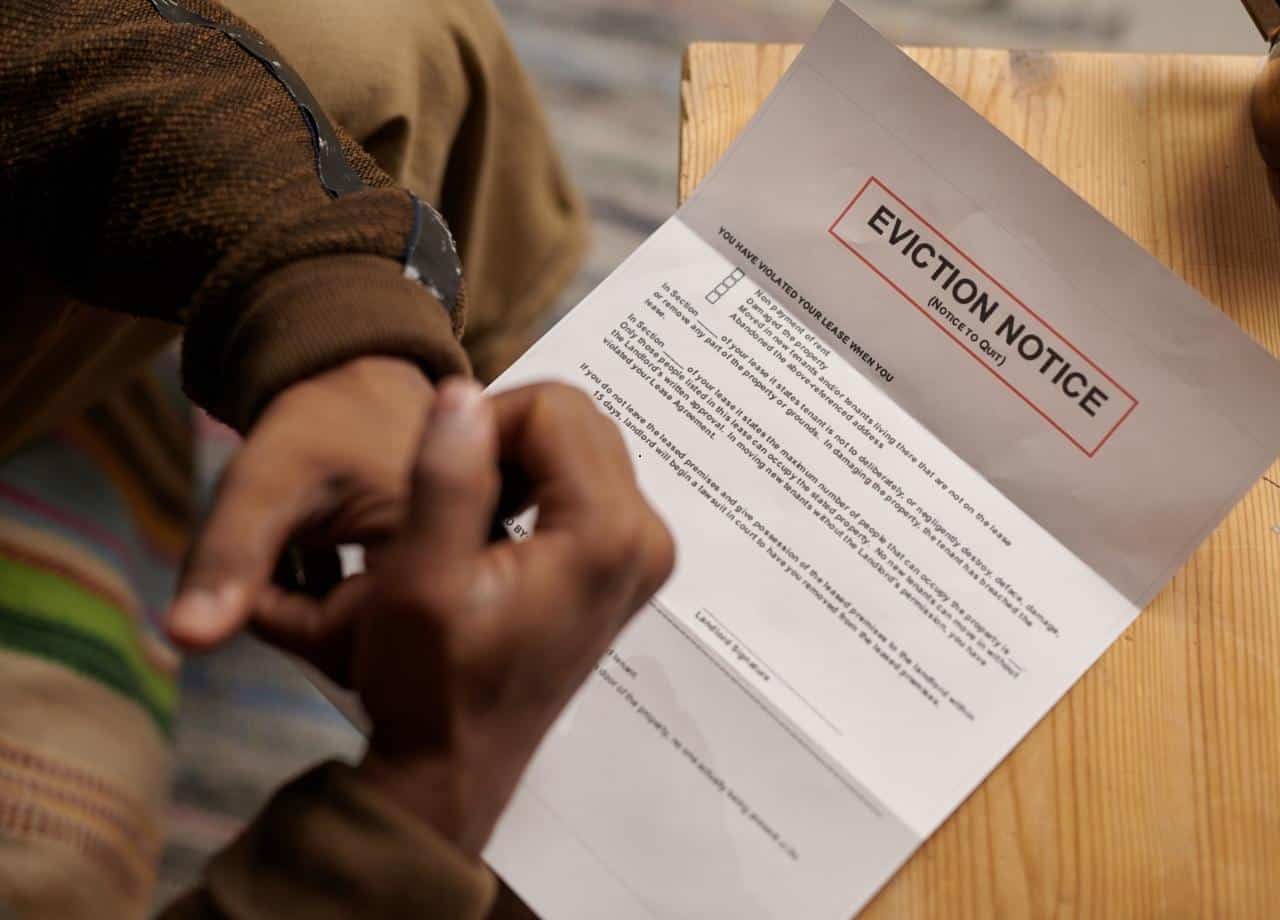
Property managers deal with tough situations all the time and issuing an eviction notice is one of the hardest. You want to stay professional, you want to be fair, and you also want to protect your property. That balance gets much easier when you have a solid eviction notice template that clearly spells out what is happening and why. A good template does not create confusion. It keeps emotions low, keeps expectations realistic, and keeps the process on track. When the notice is clear and written in plain language, residents know exactly what they need to fix and what will happen if they do not. That clarity is what reduces pushback and keeps the situation from turning into a long argument.
Many property managers rely on templates pulled from random sources, but a strong template needs more thought. It should match how you run your property, it should follow the rules where your property is located, and it should reflect your approach to communication. Residents respond much better when the message is simple and the steps are spelled out in a friendly but firm tone. They need to see the seriousness of the issue without feeling attacked. This is why even a legally required notice still benefits from good communication practices. It is not just about getting words on paper. It is about making sure the words work.
Why Good Eviction Notice Templates Matter More Than You Think
A good eviction notice gives the resident one last chance to fix the issue before things move forward. When the notice leaves out key details, you end up with delays. The resident may claim they did not understand what they had to do or when they had to do it. That confusion can extend the process and create more frustration for everyone. A proper template saves you time because you do not have to rewrite the same points every time a situation comes up. You already have the framework ready and you only adjust the details.
Clear notices also help protect the relationship between you and the resident. Even if the situation is serious, the notice can still feel respectful. Firm does not have to mean cold or hostile. When the language is simple and direct, the resident can focus on the issue instead of getting lost in complicated phrasing. Most residents do not want problems. They simply want to know what they need to fix.
Strong templates also help you stay consistent across all your apartments. Consistency lowers the risk of appearing unfair. It also makes it easier for your team, since everyone is using the same approach. You can train new staff faster because they can follow a template that is already tested and reliable. Over time, this consistency becomes part of your property’s professional reputation.
Building a Clear and Firm Eviction Notice Template
A template that works always starts with clarity. The resident should be able to read the notice once and understand what is happening. This means avoiding tricky language or long paragraphs that feel overwhelming. Keep things simple and organized. The notice should have a clean structure that explains the issue, the expectations, and the timeline.

It also helps to use the same tone every time. Calm, steady, and professional language is your friend here. A stable tone keeps emotions from rising and reduces the chances of arguments or heated conversations. Even when the issue is serious, the tone can still communicate respect. Think of it as a script that guides the entire conversation from start to finish.
The finish matters just as much as the opening. A strong closing section can provide instructions, offer next steps, or give contact details for any questions. You are not trying to negotiate the issue in the notice. You are simply giving space for the resident to follow up in a structured way. That small detail often makes the process smoother.
What to Include for an Effective Notice
A good eviction notice template includes a few core elements that always need to be present. The basics start with the resident’s full name, the apartment address, and the date the notice is being issued. This information removes any doubt that the notice was meant for someone else or tied to a different unit.
After that, you want a clear description of the issue. This part should be very simple. “Unpaid rent” or “Unauthorized pets” or “Repeated noise violations” should be described in plain words. If dates are important, list them. If the issue repeats, mention that. Avoid dramatic wording or long storytelling. The resident already knows the situation and your job is to state it neatly.
Next comes the required action. This should be one of the most direct parts of the notice. Tell the resident what they must do and when they must do it. If the issue is unpaid rent, include the exact amount and the exact date it needs to be paid. If the issue is a violation that needs correction, explain how to correct it. When these parts are unclear, residents often misunderstand what is expected, which leads to delays.
The final part of the notice usually includes what will happen if the issue is not corrected. You do not need dramatic language here either. Simple and steady phrasing is enough. Most residents understand what an eviction notice means, so you are not trying to scare them. You are simply documenting the next step in the process. A sentence reminding the resident to contact the office for questions keeps the door open while staying professional.
Keeping the Tone Firm and Fair
Firm means direct, not aggressive. Fair means reasonable, not lenient. When those two qualities meet, you get the type of notice that residents take seriously without feeling singled out. One thing that helps is using steady language that avoids emotional expressions. Phrases like “You must correct the issue by…” or “This notice serves to inform you…” keep the tone grounded.
Fairness also shows through consistency. When every resident receives notices that follow the same template, they know the rules are not shifting based on the person. That sense of fairness keeps your communication strong even when the situation is tough. Your template becomes part of your proof of consistent management.
Remember that residents are often stressed when they get a notice. Keeping the language simple helps them absorb the information easily. When people understand what is expected, they are more likely to follow through.
How to Tailor Templates for Different Situations
Not all eviction situations look the same, so your template should have simple areas where you can add or adjust the details. For unpaid rent, you may only need to plug in the amount owed and the due date. For repeated violations, you may need a section that reflects earlier warnings or conversations. You don’t need a brand new letter for each case. You just need a flexible template that lets you adapt the core message.
Different regions may also require different wording. This is one reason why it helps to build your own templates instead of relying on random examples online. When you create templates tailored to your apartments, you can update them whenever your local rules change or whenever your operations shift.
Pest related issues are another area where clarity matters. If a resident is responsible for a pest situation due to improper care of the apartment, your notice can point to the required steps they must take. At the same time, Pest Share services can support the resident and help get the problem under control. When the resident understands their responsibility and also gets access to a reliable pest control solution, the entire situation resolves faster. This is why many property managers build pest scenarios directly into their templates. It keeps everything clear and helps prevent the issue from happening again.
Using Templates to Maintain Professional Boundaries
Eviction notices often push emotions to the surface. The notice may feel upsetting to a resident, and it can feel stressful for property managers too. A well built template helps you stay focused on facts instead of emotions. You are not rewriting a message in the heat of the moment. You are following a script that guides the whole process.

Templates also reduce the chance of over explaining. When managers feel uncomfortable, they sometimes add too much detail. A clean template stops this from happening. It gives you just enough room to explain what needs to be explained and nothing more. That balance keeps you out of long debates that drain time and energy.
Your staff will also feel more confident when they know they have a reliable template to follow. They do not have to guess which phrases are appropriate or how strong their wording should be. They simply fill in the details and deliver the notice. This helps teams stay aligned in how they handle these situations.
Updating Your Templates as Your Property Grows
Even the best templates need updates from time to time. As your apartments grow or as new technologies change how you work, you may need notices that reflect your updated operations. For example, many property managers use digital platforms for payments and communications now. Your notice can mention these systems to help residents act quickly.
If you have added Pest Share services to your resident experience, your templates can reflect that as well. When residents know exactly where to go for pest help, they feel supported even in stressful moments. In many apartments, pest issues turn into property issues when they are ignored. A clear reference in your notice helps residents take action before things grow worse.
Updates also help you remove any confusing sections that might have caused trouble in the past. If your staff reports that residents keep asking the same clarifying questions, that may be a sign that your template needs a small wording change. These small improvements add up and help your process run smoother with each update.
Bringing Everything Together
Eviction notices do not have to feel complicated or stressful. They simply need to be clear, firm, and fair. When your templates follow these principles, the entire process becomes easier for you and more understandable for the resident. A strong template sets the tone, explains the issue, provides the timeline, and keeps the communication clean.
Creating these templates takes a little time at the start, but once you have them in place, you will save hours over the long run. You will also build trust with residents because your communication will feel steady and consistent. When issues come up, the path forward is already mapped out.
With well crafted eviction notice templates and helpful tools like Pest Share supporting you in the background, you can handle these difficult moments with confidence. Clear communication creates smoother operations, and smoother operations help your apartments run better every day.