Rodents are still seen as just a basic pest issue in many properties. A few sightings, some droppings, maybe a service call.
From a building inspection and asset management standpoint, this view is incomplete.
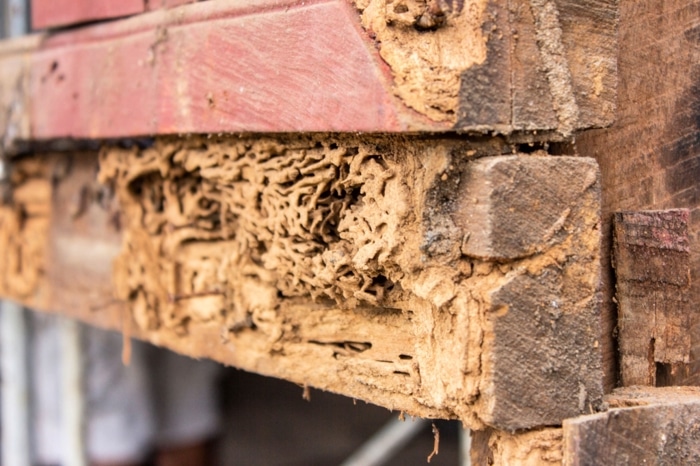
Rodents, particularly mice and rats, represent a progressive structural threat. Their behavior directly impacts building systems, material integrity, and long-term capital performance. What begins as a small entry point can evolve into widespread damage across insulation systems, electrical infrastructure, and the building envelope itself.
For property managers, the key question is not simply how to remove rodents. It is how to prevent ongoing physical asset deterioration.
Understanding Rodent Pressure on the Building Envelope
Entry Points as Structural Failures
Rodents do not require large openings to enter a structure. A mouse can pass through a gap as small as a quarter inch. Rats can exploit openings roughly the size of a half dollar.
From an inspection perspective, these entry points are not random. They are indicators of envelope vulnerabilities.
Common failure points include:
- Gaps around utility penetrations
- Unsealed expansion joints
- Damaged vent covers and roofline intersections
- Poorly fitted crawl space doors or access panels
Once these gaps exist, rodents will expand them through gnawing. This is a critical detail. Rodents are not just using openings. They are actively modifying the structure to increase access.
Over time, this compromises the integrity of the building envelope, allowing not only pest entry but also moisture intrusion and air leakage.
Mechanical Penetrations and Vent Systems
Ventilation systems are one of the most overlooked access points.
Dryer vents, exhaust outlets, and roof vents often lack proper barriers. Without protective measures such as a dryer vent rodent guard or a pvc vent screen for insects and rodents, these openings become direct entry channels.
Once inside, rodents can travel through ductwork and wall cavities, spreading damage across multiple zones.
In properties with aging infrastructure, this issue becomes more pronounced. Metal screens corrode, plastic covers crack, and maintenance gaps allow small breaches to go unnoticed.
Insulation Destruction and Thermal Performance Loss
Rodents and the Collapse of R-Value
One of the most significant yet underreported impacts of rodent activity is the destruction of insulation.
In attic spaces and wall cavities, rodents:
- Tear apart fiberglass batts
- Compress blown-in insulation
- Create nesting pockets that disrupt material continuity
This directly reduces the R-value, which is the insulation’s ability to resist heat flow.
From a building performance standpoint, this has measurable consequences.
A compromised attic with rodent activity can experience uneven thermal distribution, leading to:
- Increased HVAC runtime
- Higher energy costs
- Reduced occupant comfort
In colder climates, heat loss accelerates. In warmer regions, cooling systems work harder to compensate. Over time, this shifts what should be a stable operating cost into a variable and increasing expense.
Contamination and Replacement Costs
Beyond physical displacement, rodents contaminate insulation with droppings and urine.
At this point, the material is no longer salvageable. It must be removed and replaced.
This introduces both operational and capital considerations:
- Labor-intensive removal processes
- Disposal requirements
- Installation of new insulation materials
For large properties, this can quickly escalate into a CapEx-level intervention, especially if multiple attic zones are affected.
Electrical Infrastructure and Fire Risk
Gnawing Behavior and System Exposure
Rodents have continuously growing incisors, which drive their need to gnaw on hard materials.
Electrical wiring becomes a common target.
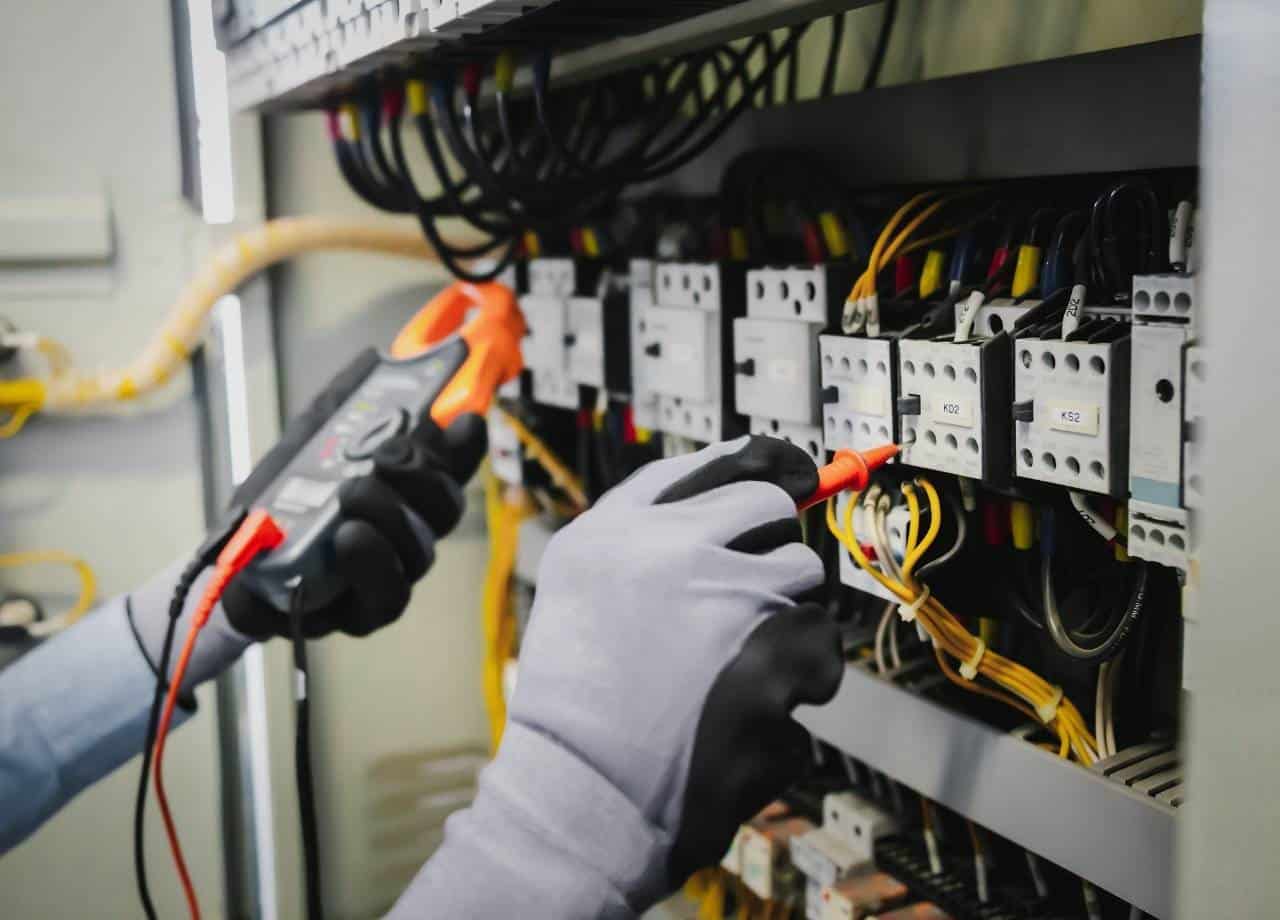
In common areas, mechanical rooms, and ceiling voids, rodents will chew through, wire insulation, low-voltage communication lines, and HVAC control wiring. This exposes conductive materials and increases the likelihood of short circuits.
Fire Hazard Amplification
When wiring insulation is compromised, the risk is not limited to system failure. It extends to fire.
Exposed wires can generate heat, arc, or spark, particularly under load conditions. In enclosed spaces such as wall cavities or above ceilings, this creates a hidden ignition risk.
Unlike visible hazards, these conditions often go undetected until failure occurs.
From an inspection standpoint, properties with known rodent activity should be evaluated for:
- Evidence of gnawed wiring
- Burn marks or discoloration
- Intermittent electrical issues
This is not theoretical. Electrical fires linked to rodent damage are a documented risk in both residential and commercial structures.
Rodent Behavior and Material Degradation Patterns
Identifying Rodent Bite Marks
One of the most useful diagnostic tools during inspection is identifying rodent bite marks.
Rodents leave distinct patterns:
- Parallel grooves from incisors
- Rough, uneven edges on wood and plastic
- Circular widening of small openings
These marks are often found on:
- Baseboards
- Door frames
- Utility penetrations
- Storage materials in common areas
Understanding these patterns helps differentiate rodent damage from normal wear or other pests.
Secondary Material Impacts
Rodents do not limit their activity to structural elements. They also damage operational materials, including:
- Stored supplies in maintenance rooms
- Packaging in storage areas
- Trash containment systems
Without rodent proof trash containers, waste areas become both a food source and a breeding ground.
This creates a feedback loop where increased activity leads to more damage, which in turn supports further infestation.
The Role of Exclusion in Structural Preservation
Sealing as a Primary Defense Strategy
Effective rodent management begins with exclusion.
This includes:
- Sealing all visible gaps and penetrations
- Installing protective barriers on vents and drains
- Reinforcing vulnerable access points such as crawl space doors
Solutions like a rodent proof crawl space door or a rodent guard for drain pipe are not optional upgrades. They are part of a structural defense system.
In high-density properties, even a single unsealed penetration can compromise multiple units.
Ductwork and Internal Pathways
Rodents frequently use duct systems as travel corridors. Without proper reinforcement, ductwork becomes both a highway and a nesting site.
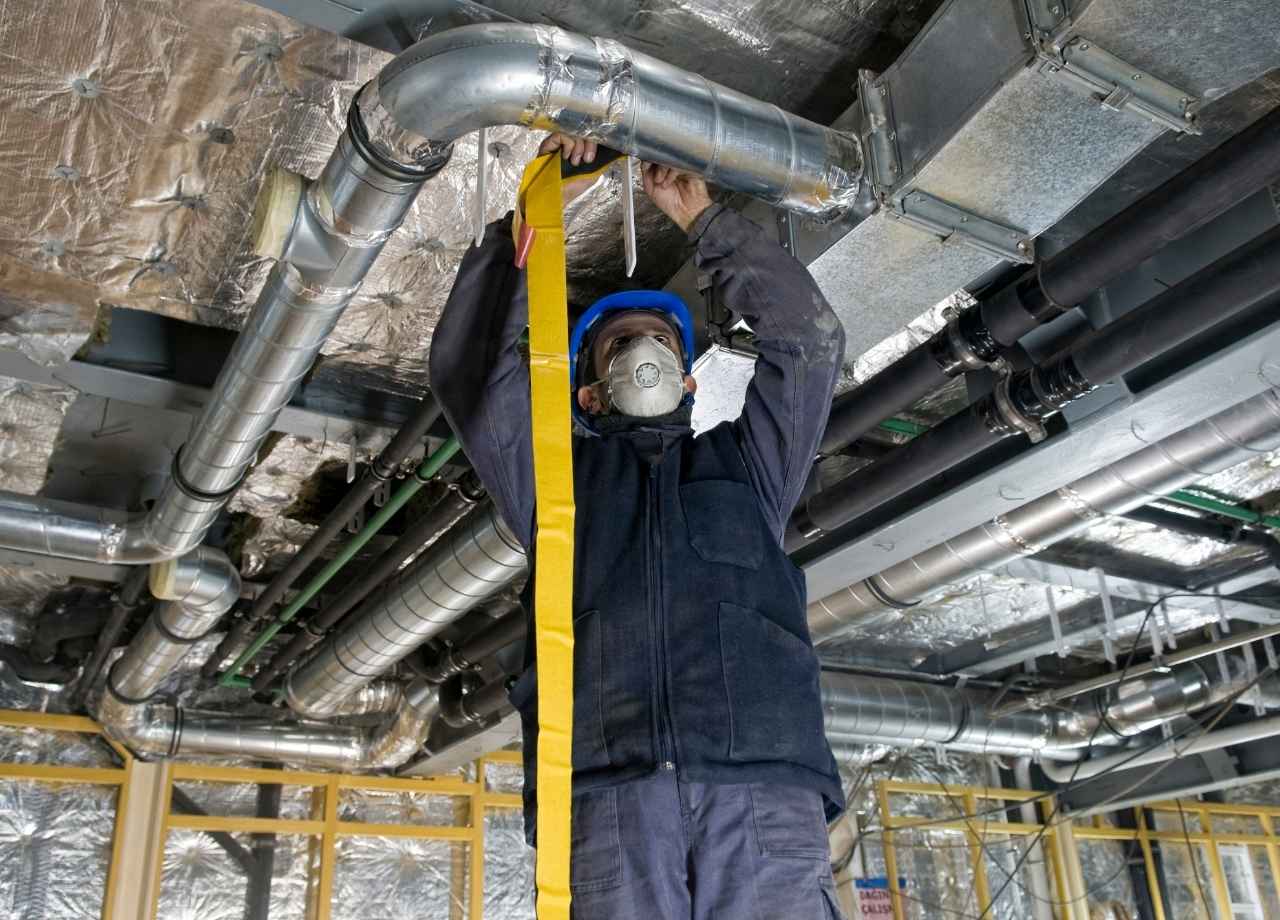
Implementing rodent proof ductwork strategies helps limit internal movement and reduces the spread of damage across zones.
Early Indicators and Escalation Risk
Droppings and Activity Patterns
The presence of droppings is often the first visible sign of infestation.
However, by the time droppings are noticed, structural impact may already be underway.
This is why professional rodent droppings clean up service providers often uncover additional hidden damage during sanitation processes.
Their findings frequently include:
- Insulation disruption
- Chewed wiring
- Entry point expansion
This reinforces the idea that surface indicators rarely reflect the full extent of the issue.
Frequency of Service and Inspection
A common operational question is: how often should pest control be done for rodents?
From a structural perspective, the answer depends on risk exposure, not just activity level.
Properties with known vulnerabilities or past infestations should adopt a routine inspection schedule, rather than waiting for new reports.
This aligns with broader asset protection strategies and reduces the likelihood of large-scale damage.
Permanent Exclusion and Maintenance Integration
Hardening the Asset: Building-Level Defense as a Standard Practice
The most effective rodent control strategy in multi-family and commercial environments is not reactive removal. It is structural prevention. This approach can be defined as hardening the asset, where the building itself is reinforced to resist intrusion at every known vulnerability point.
From an inspection standpoint, this aligns with an exclusion-first methodology, where physical barriers take priority over temporary control measures.
Hardening begins at the exterior envelope. Small gaps around pipe penetrations, expansion joints, and foundation transitions should be sealed using durable materials designed for long-term performance. Standard foam alone is not sufficient, as rodents can easily chew through it. Instead, a layered approach is recommended, combining steel mesh with high-quality sealant to create both a physical and chemical barrier.
At rooflines and fascia intersections, metal flashing should be installed or repaired to eliminate soft entry points. These areas are often overlooked during routine maintenance, yet they serve as primary access zones for roof rats and other climbing species. Similarly, vents and openings must be reinforced with corrosion-resistant screening that maintains airflow while preventing intrusion.
This concept extends beyond patchwork repairs. It represents a shift toward pest-proof architecture, where exclusion is built into the ongoing lifecycle of the property. When properly executed, this reduces dependency on reactive treatments and creates a more stable operating environment.
Integrating Rodent Control into Routine Maintenance Systems
Permanent exclusion cannot function as a standalone initiative. It must be embedded into existing maintenance workflows to ensure consistency and longevity.
Landscaping contracts, for example, play a significant role in rodent activity. Dense vegetation, untrimmed shrubs, and ground cover near building perimeters create ideal harborage conditions. When landscaping teams operate without alignment to pest control objectives, they may unintentionally support infestation patterns.
By integrating rodent awareness into landscaping scopes, properties can reduce risk at the perimeter. This includes maintaining clear zones along foundations, trimming vegetation away from structures, and monitoring for burrowing activity near walkways and utility lines. These practices are not complex, but they require intentional coordination.
Waste management is another critical component. Without proper waste management optimization, trash areas become consistent food sources that sustain rodent populations regardless of exclusion efforts elsewhere.
Compactors, dumpsters, and waste enclosures should be evaluated not only for cleanliness but also for structural integrity. Lids must close fully, gaps should be sealed, and surrounding surfaces should be kept free of debris. Incorporating sanitation SOPs into waste contracts ensures that cleaning frequency, inspection standards, and reporting protocols are clearly defined.
When these systems operate together, they create a layered defense. Landscaping reduces harborage, waste management limits food sources, and structural exclusion blocks entry. This integrated approach supports broader vector control objectives by addressing the root conditions that allow rodents to thrive.
Maintenance Integration as an Operational Standard
To sustain results, rodent exclusion must be treated as part of routine building maintenance rather than a specialized or occasional service.
Maintenance teams should be trained to identify early indicators of rodent pressure during standard work orders. A technician repairing a sink, for example, should also assess pipe penetrations for gaps. A team member servicing HVAC equipment should note any signs of nesting or gnawing in adjacent areas.
This level of awareness transforms everyday tasks into inspection opportunities.
Over time, this integration reduces the likelihood of missed vulnerabilities and supports faster response when issues arise. It also aligns pest management with broader facility goals, reinforcing the idea that rodent control is not separate from maintenance, but an extension of it.
Cost-Benefit Analysis: Preventative Exclusion vs. Emergency Trapping
From a financial perspective, the difference between preventative exclusion and reactive trapping is substantial.
Emergency trapping programs often appear cost-effective at first glance. They address visible activity and provide immediate results. However, they do not resolve the underlying structural issues. As a result, properties experience recurring infestations, repeated service calls, and ongoing labor costs.
In contrast, preventative exclusion requires upfront investment in materials, labor, and coordination. Sealing entry points, reinforcing vents, and upgrading waste infrastructure may increase short-term expenses. Yet these costs are predictable and controlled.
Over time, the return on this investment becomes clear.
Properties that adopt an exclusion-first strategy typically see reductions in service frequency, lower maintenance workload related to pest issues, and fewer instances of structural damage. This directly improves maintenance ROI, as resources are allocated toward durable solutions rather than temporary fixes.
Additionally, the indirect financial benefits are significant. Reduced insulation damage lowers energy costs. Preventing wiring issues minimizes the risk of expensive repairs or liability events. Maintaining a clean and controlled environment supports resident satisfaction and retention.
When viewed through the lens of long-term asset protection, preventative exclusion is not an added expense. It is a cost stabilization strategy that protects both operational budgets and capital investments.
The Property Manager as Steward of the Asset
At its core, rodent management in multi-family and commercial properties is a matter of stewardship.
Property managers are not only responsible for daily operations. They are responsible for preserving the physical integrity and long-term value of the asset.
This requires a shift in perspective.
Rodents should not be treated as isolated incidents or short-term inconveniences. They are indicators of structural gaps, operational misalignment, and missed opportunities for prevention.
By adopting an exclusion-first methodology, integrating pest awareness into maintenance systems, and prioritizing preventative measures over reactive responses, property managers can move from control to command.
This approach strengthens the building envelope, stabilizes operating costs, and supports a higher standard of living for residents.
Ultimately, effective rodent management is not about eliminating pests alone. It is about reinforcing the property as a resilient, well-maintained asset that performs consistently over time.
That is the role of a true steward of the asset.